






Supply Chain
Latest News
Advertisement
Latest Videos



Advertisement
More News

The new North Chicago facility, slated to open in 2027, will boost domestic production of key drug ingredients for immunology, neuroscience, and oncology therapies, reinforcing US pharmaceutical capacity amid industry reshoring and tariff concerns.
This episode of Pharma Pulse dives into Cardinal Health’s acquisition of Solaris Health to strengthen specialty services, how hospital networks are investing in centralized pharmacy hubs to improve efficiency and supply chain resilience, and new research linking GLP-1 drugs to potential optic nerve disorders.
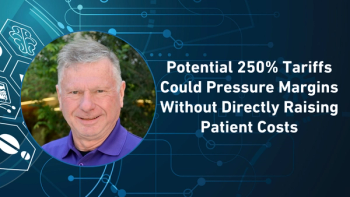
In the first part of his Pharma Commerce video interview, Dave Malenfant, a healthcare supply chain expert, explains how steep pharmaceutical import tariffs might affect costs at different points in the supply chain, why component pricing poses a bigger risk than active ingredients, and how insurers, distributors, and manufacturers may negotiate to shield patients from price increases.

Health systems across the United States are opening large-scale pharmacy service centers to streamline operations, improve inventory control, and ensure timely medication delivery amid drug shortages and rising costs.
This episode of Pharma Pulse covers Vinay Prasad’s return to lead the FDA’s biologics center after a brief resignation, new research on severe COVID-19 risks for childhood cancer survivors, and the strategies pharma companies are adopting to stay competitive amid escalating healthcare costs.
In the final part of his Pharma Commerce video interview, Philip Sclafani, PwC's pharmaceutical and life sciences lead, discusses operational and pricing strategies pharma executives can adopt to navigate sustained cost inflation, including supply chain optimization, payer collaboration, and value-based approaches to ensure patient access and affordability.
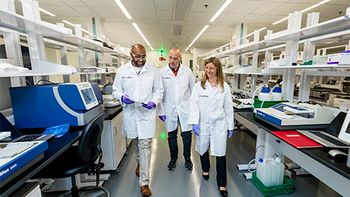
The CDMO’s new services at its Hopewell, NJ facility delivers scalable, phase-appropriate production, in-house quality control, and domestic sourcing to help gene therapy developers reduce complexity, speed timelines, and ensure regulatory compliance.
This episode of Pharma Pulse explores the FDA’s new proactive quality review initiative for drug manufacturing, GSK’s $370 million mRNA patent settlement with CureVac, and upcoming discussions between industry leaders and policymakers on strengthening US pharmaceutical innovation and supply chains.

In the seventh part of this roundtable discussion, key opinion leaders uncover how pharma companies can mitigate tariff impact through duty drawback programs and smart technology investments, without overreacting or overhauling manufacturing footprints unnecessarily.
A new two-phase initiative aims to streamline facility approvals, reduce reliance on foreign pharmaceutical production, and bolster domestic supply chain resilience amid rising tariffs and reshoring investments.

In the third part of his Pharma Commerce video interview, Philip Sclafani, PwC's pharmaceutical and life sciences lead, explains how pharma companies can strategically evaluate AI investments across functions like R&D, pharmacovigilance, and supply chain, ensuring early automation gains and long-term value without intensifying short-term financial strain.

Meanwhile, drugmakers ramp up US manufacturing investments to navigate policy shifts and protect supply chain resilience, as the Trump administration enacted tariff rates between 10% to 50% on various trading partners early this morning.
This episode of Pharma Pulse examines how in-store pharmacies are evolving beyond prescriptions to deliver clinical services, nutrition support, and real-time education, bridging care gaps in pharmacy deserts across the United States.
In the final part of her Pharma Commerce video interview, Heather Zenk, Cencora’s president of US supply chain, outlines practical, cost-conscious strategies for reducing Scope 3 emissions in pharma supply chains, from smarter warehouse lighting and returnable cold chain packaging, to order consolidation and AI-enabled delivery optimization.

With 14 new lawsuits filed and 132 total complaints across 40 states, Novo Nordisk is intensifying efforts to protect patients from unapproved compounded semaglutide products by targeting pharmacies, telehealth providers, and deceptive marketing practices that compromise safety, mislead consumers, and violate FDA regulations.
In the fifth part of her Pharma Commerce video interview, Heather Zenk, Cencora’s president of US supply chain, explores how public-private collaboration, smarter sourcing strategies, and long-term manufacturer support are helping to fortify pharmaceutical supply chains against future crises.
In the fourth part of her Pharma Commerce video interview, Heather Zenk, Cencora’s president of US supply chain, explores how public-private collaboration, smarter sourcing strategies, and long-term manufacturer support are helping to fortify pharmaceutical supply chains against future crises.

The Spain-based CDMO strengthens its North American presence and capabilities through its purchase, while also acquiring a new rare disease treatment from Sanofi one month prior.
In the final part of his video interview with Pharma Commerce Editor Nicholas Saraceno, Nate Chenenko, principal with Ducker Carlisle, explains that as regulatory frameworks tighten across Europe and the United States, and customer preferences lean greener, pharma logistics leaders must balance compliance, cost, and innovation to meet mounting sustainability demands.
In the sixth part of this roundtable discussion, subject matter experts discuss how serialization, traceability tools, and multi-layered authentication technologies are becoming essential to proactive quality contingency planning, as counterfeiters grow more sophisticated.

The letters demand US drug prices match or undercut global lows, triggering a 60-day compliance timeline, and prompting strategic responses from players in the space, including Celltrion.

Amid the growing crisis of pharmacy deserts, these entities are tapping new avenues in care delivery, including the integration of clinical services, nutrition counseling, and real-time patient education.
In the third part of her Pharma Commerce video interview, Heather Zenk, Cencora’s president of US supply chain, explores how public-private collaboration, smarter sourcing strategies, and long-term manufacturer support are helping to fortify pharmaceutical supply chains against future crises.
In the fourth part of his video interview with Pharma Commerce Editor Nicholas Saraceno, Nate Chenenko, principal with Ducker Carlisle, shares best practices for reducing greenhouse gas emissions across distribution channels without disrupting supply chain efficiency.

Is the industry ready for the Aug. 1 deadline of when these levies go into effect?
Advertisement
Advertisement
Trending on Pharmaceutical Commerce
1
Pharma Pulse: Cardinal Health Bulks Up Home Care, Trump Unveils Phased Generics Tariffs
2
The Data Problem Behind Prescription Drug Waste
3
Mid-Year Check-In: Is Patient Affordability Getting Worse?
4
What Cold Chain Tech Trends Are Reshaping Pharma Logistics?
5