


Conference Coverage
about 1 hour ago
Why BMS Is Screening CMO Partners for Digital Capabilitiesabout 24 hours ago
Freehand CEO: AI Is Here and Now in Supply Chains4 days ago
Is Pharma Moving Too Fast on AI Agents?Latest Content



Advertisement
Shorts
1:01
How Cold Chain Packaging Has Evolved
18 hours ago
by
Vijay Paliwal
0:18
What Trend Are You Watching in 2027: CSafe's Aaron Mantia
6 days ago
by
Aaron Mantia
2:09
Onshoring Moves From Pledges to Steel in the Ground in 2027, Says Swisslog’s Garrett Freeman
6 days ago
by
Garrett Freeman
0:53
Cencora’s Gregg Gorniak on AI After DSCSA Stabilization
7 days ago
by
Gregg Gorniak
0:54
From Predicting Risk to Automating Intervention: The AI Shift to Watch in 2027
8 days ago
by
Vijay Paliwal
0:38
PAXAFE’s Mark Talens on Why 2027 Is the Year Pharma Trusts AI in GxP Environments
11 days ago
by
Mark Talens

0:59
Why the “People Supply Chain” Is a 2027 Risk for Pharma
12 days ago
by
Nitin Jayakrishnan
1:09
Drug Price Cuts Are Challenging Supply Chain Economics Heading Into 2027
13 days ago
by
Matthew Sample
0:57
Why Lane Risk Assessments Are Moving Beyond Historical Audits
14 days ago
by
Henry Ames
0:47
Why Resilience Is the Throughline for 2027 Supply Chain Planning
18 days ago
by
Danny Williams
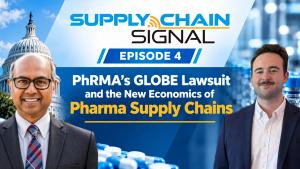
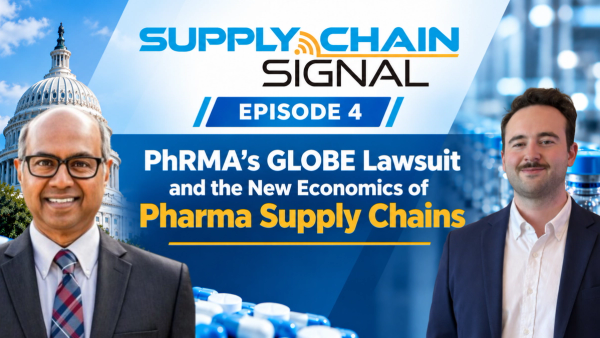
Supply Chain Signal: PhRMA’s GLOBE Lawsuit and the New Economics of Pharma Supply Chains
Episode 4 of Supply Chain Signal examines PhRMA’s legal challenge to CMS’ GLOBE model and whether manufacturers can lower costs, expand U.S. production and strengthen supply chain resilience all at once.
Why Temperature Control Is Now Pharma’s Make-or-Break Variable
Temperature excursions cost pharma an estimated $35 billion a year as biologics, GLP-1s and cell and gene therapies raise cold chain stakes.

EU Pharma Reform: Strategic Implications for US Drugmakers
The EU's pharma reform makes market protection more conditional. Here is how US drugmakers, especially startups, can adapt and use IP to complement it.

How the GLP-1 Boom Stress-Tests the Pharma Cold Chain
GLP-1 demand is straining pharma cold chain capacity, from tighter temperature thresholds and rising load rejections to fuel costs and trailer backlogs.

Podcasts

All News
Advertisement
Advertisement

Cencora’s Matt Sample and Gregg Gorniak explain why AI should recommend, not decide, and why pharma needs an agent strategy before chasing use cases.

With a lawsuit, a House delay bill and drugmaker intervention motions in play, here's where HRSA's 340B rebate pilot stands ahead of Jan. 1.
In this week's Pharma Pulse, Cencora agrees to acquire American Oncology Network, five major employers back electronic prior authorization for self-funded health plans and FDA finalizes its guidance on prescription drug apps and software.
CSafe's Aaron Mantia explains how lane, temperature range, duration and product cost shape thermal protection choices for bulk air cargo.
At LogiPharma USA 2026, Swisslog's Garrett Freeman explains how automation cuts human touches, enforces quarantine and consolidates cold storage.
PAXAFE's Mark Talens explains why real-time visibility starts with process redesign and how it speeds cold chain disposition decisions.
FDA’s final guidance on prescription drug use-related software clarifies when companion app content is labeling, promotion or belongs in the PI.
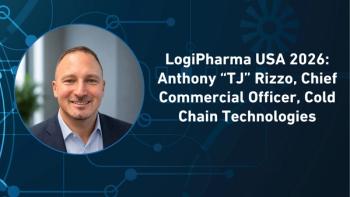
At LogiPharma USA 2026, Cold Chain Technologies' Anthony "TJ" Rizzo discusses cold chain expertise gaps and how data tools are reshaping the profession.
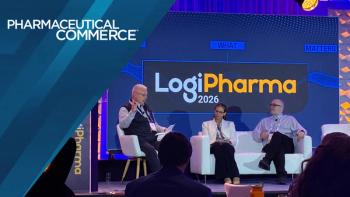
AI is starting to resolve shipment exceptions and flag demand shifts, but early deployments show that connected data and context come first and that accountability stays with people.
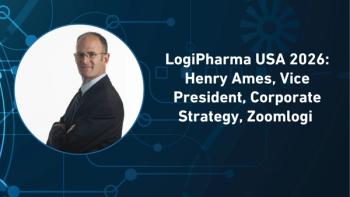
Zoomlogi's Henry Ames explains how AI agents and digitized SOPs help quality managers decide on quarantine or release after a cold chain excursion.
Advertisement
Epic's Prescription Marketplace, due summer 2027, will show pharmacy cash prices next to insured costs before a prescription is sent.
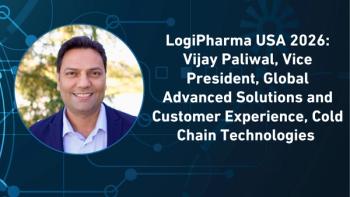
At LogiPharma USA 2026, Cold Chain Technologies' Vijay Paliwal explains how predictive monitoring and right-sized packaging cut excursion risk and waste.

Avantor’s Mary Blenn outlines five considerations for biopharma supply chain localization, from customer demand visibility to cost, consistency and redundancy.
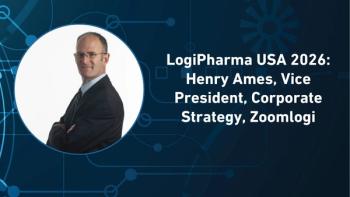
Zoomlogi’s Henry Ames says exception handling still hinges on experienced staff, and AI agents could gather and document details for their judgment calls.
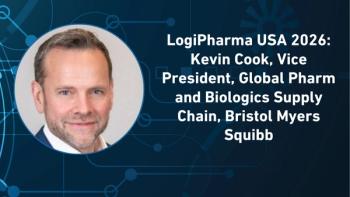
At LogiPharma USA 2026, BMS’s Kevin Cook explains why CMO partnerships must move beyond transactions toward shared goals and KPIs.
Advertisement
Advertisement