Episode 3 of Supply Chain Signal examines the Aug. 31 MFN agreements with nine mid-size manufacturers, the GENEROUS Medicaid model and whether pricing, trade and manufacturing policy now add up to a new pharma operating model.
Episode 3 of Supply Chain Signal examines the Aug. 31 MFN agreements with nine mid-size manufacturers, the GENEROUS Medicaid model and whether pricing, trade and manufacturing policy now add up to a new pharma operating model.

Valerie Bandy of Tecsys on where 340B rebate mechanics threaten pharmacy purchasing, and how stakeholders can prevent disruption.

Rebate delays could force 340B hospitals to pay upfront and wait months for credit, distorting drug spend on the books. Valerie Bandy, PharmD, of Tecsys explains the fallout.

As HRSA's 340B Rebate Model Pilot moves toward its effective date, Valerie Bandy, PharmD, of Tecsys explains what drug-by-drug rebate tracking really demands from hospital and health system pharmacies.
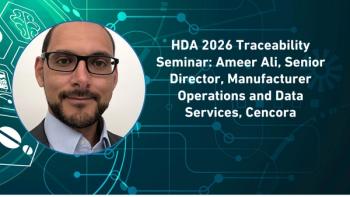
In the final installment of his interview with Pharmaceutical Commerce, Cencora's Ameer Ali outlines how supply chain stakeholders should prepare systems, processes and trading partners for the shift to NDC-12.

In the final installment of his interview with Pharmaceutical Commerce, Cencora's Gregg Gorniak looks back at DSCSA's five-year evolution and where serialized data is creating value beyond compliance.
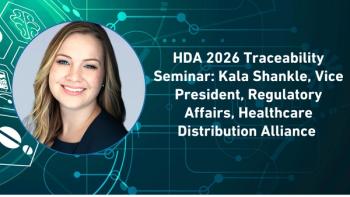
HDA's Kala Shankle unpacks the biggest open question on preemption and offers a two-step playbook for wholesalers and 3PLs preparing for national licensure.
Cardinal Health's Liberty Dewey outlines the four parallel work streams driving the NDC-12 transition, and why the biggest risk sits in trading partner handoffs rather than any single system.
Sponsored
Joe Reynolds, Head of User Experience Services at Noble, breaks down what it really takes for pharmaceutical companies to move therapy from the clinic into the patient's home.
Sponsored
Logan Melchione shares how ClaimGuardRx gives account teams a fast, conversational way to tackle diversion and fraud together, and what that means for clients and patients.
Sponsored
Bryan Dennison breaks down the purpose-built technology behind ClaimGuardRx and how its detect-and-respond design keeps manufacturers ahead of evolving diversion tactics.
Sponsored
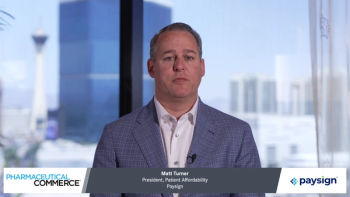
Matt Turner shares how ClaimGuardRx is redefining patient affordability by turning claims data into a proactive defense against maximizers and accumulators.
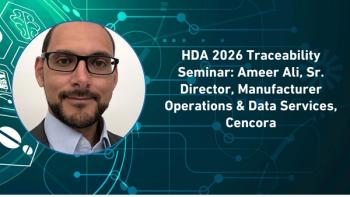
Cencora's Ameer Ali explains why trading partners' systems, not the NDC-12 deadline itself, determine whether product keeps moving through the supply chain during the transition.
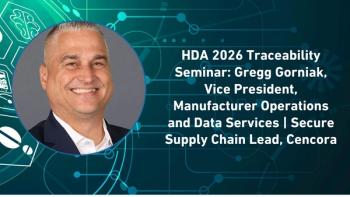
Cencora's Gregg Gorniak on where DSCSA trading partners find shared value in compliance investment, and where that alignment breaks down.
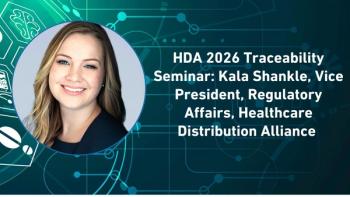
HDA's Kala Shankle says a two-year national licensure runway for distributors could work, but only if states, the FDA and industry move in parallel.
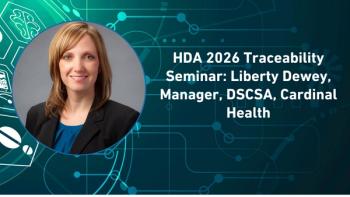
Cardinal Health's Liberty Dewey breaks down the NDC-12 transition timeline and the vendor, association and wholesaler support smaller pharmacies will need to get ready.
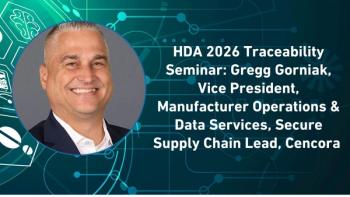
Cencora's Gregg Gorniak breaks down what separates basic DSCSA compliance from using it to streamline transactions and strengthen trading partnerships.
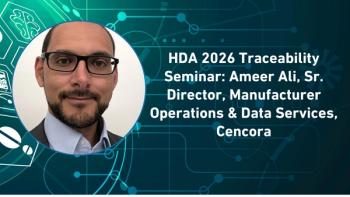
Cencora's Ameer Ali explains how the shift to NDC-12 is reshaping supply chain systems and why readiness still varies widely across manufacturers.
HDA's Kala Shankle explains what a national licensure standard could mean for wholesale distributors and 3PLs, and why its success depends on how much state-level variation remains.
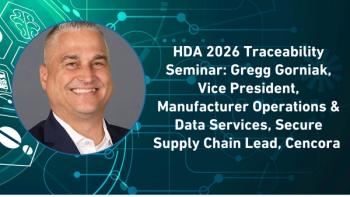
Ahead of HDA's 2026 Traceability Seminar, Cencora's Gregg Gorniak explains how AI and RFID are being used to catch DSCSA data gaps before trucks reach the dock.
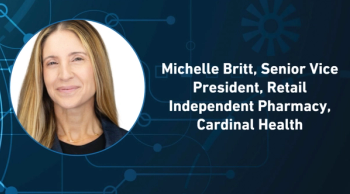
Cardinal Health's Michelle Britt discusses the policy changes needed to secure independent pharmacy's future, from state advocacy wins to giving pharmacists a seat at the table.
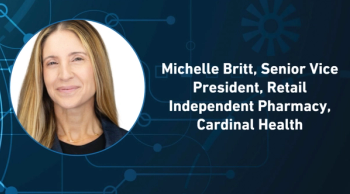
Cardinal Health's Michelle Britt discusses how independent pharmacies are expanding clinical services and leaning on distributor partnerships to meet evolving patient and community needs.

EVERSANA's Vikram Anand explains how disconnected PV systems and manual safety processes can create commercial delays after FDA approval.

Cardinal Health's Michelle Britt discusses the operating costs, cash flow strain and reimbursement pressures facing independent pharmacies, and how owners are diversifying revenue to stay open.

EVERSANA's Vikram Anand breaks down FDA data on complete response letters, showing how gaps in pharmacovigilance and safety readiness, not manufacturing alone, drive costly delays in drug commercialization.
Episode 2 of Supply Chain Signal breaks down the July 31 and September 29 Section 232 deadlines and the proposed generics tariff plan, and what they mean for reshoring.
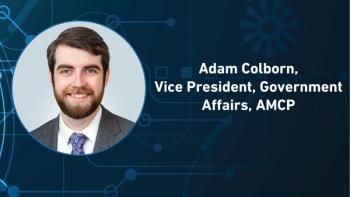
Adam Colborn explains why affordability and access aren't the same thing for TrumpRx, and how pharmacy participation gaps can leave patients stuck.
Colborn breaks down why most AMCP members don't see TrumpRx as the lowest price option, and what that means for MFN pricing claims.
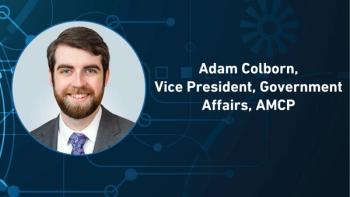
AMCP's Adam Colborn breaks down survey findings on how health plans and PBMs view the TrumpRx platform.

Four pharma experts discuss industry trends in M&A, direct-to-patient sales, patient access and commercial strategy at the H1 midyear mark.