
Pleio CEO Michael Oleksiw discusses how loneliness can affect GLP-1 patient adherence.
Pleio CEO Michael Oleksiw discusses how loneliness can affect GLP-1 patient adherence.
In today’s Pharma Pulse, Cold Chain Technologies sets a formal 2050 Net Zero goal to tackle the industry’s Scope 3 emissions, while a new Op/Ed highlights operational discipline as the vital driver for sustaining U.S. generic drug supplies.


CCT’s 2050 Net Zero goal will tackle Scope 3 emissions, which make up the majority of Pharma’s carbon footprint.

Amber Hussain-Siddique says operational discipline in inventory and logistics is the vital, yet overlooked, key to sustaining low-cost generic drug supplies in the U.S.

Digital tools are improving efficiency, but human engagement remains critical for patient support.
In today’s Pharma Pulse, Eli Lilly calls for the U.K. government to overhaul its drug pricing framework and the FDA approves Ponlimsi.

Corey Ford explains why the rise of biosimilars and specialty therapies requires a shift from universal support models to highly tailored strategies.
To fix America's drug shortages, pharma must look beyond manufacturing and overhaul how medicines are allocated and delivered to smaller hospitals.

Brightseed debuts a clinically validated AI platform to integrate life sciences innovation from discovery to commercialization

Nareda Mills explains why patient services teams are more than support, but strategic drivers for brands.

The facility addresses growing demand for GLP-1 medications and other temperature-sensitive pharmaceuticals.
In today’s Pharma Pulse, experts warn of zero-prefix collision risks in the NDC-12 transition, and the FDA grants accelerated approval to Avlayah for Hunter syndrome.

Tina Valbh explains how disengagement and patient abandonment reveal gaps in support programs.

Pharma can optimize DTP strategies by leveraging data on affordability and patient behavior.

How the zero-prefix collision will disrupt reimbursement, patient access, brand protection, and market intelligence — and what commercial leaders must do before 2033.
In today's Pharma Pulse, the FDA flags misleading promotional claims from ImmunityBio regarding its cancer therapy and MedImpact launches new solutions to address the skyrocketing employer costs of GLP-1 weight management therapies.
Corey Ford, principal at Nuvera, explains how pharma is shifting focus from HCPs to patients in support programs and commercialization.

Nareda Mills, global president of Patient Solutions at Inizio Engage, discusses how patient services are measured and which metrics demonstrate value to leadership.
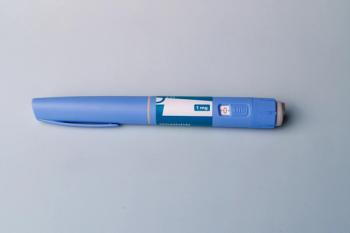
New Benefit 360 and Direct Fund models aim to bridge the gap between clinical eligibility and employer-sponsored coverage.
In today’s Pharma Pulse, industry leaders warn of serialization security issues and pharma companies brace for the 2033 NDC shift.

Workflow alignment, e-prescribing integration, and behavior change strategies are critical to reducing friction across the direct-to-patient ecosystem.

Matt Sample breaks down the operational hurdles and strategies for transitioning to the FDA’s new 12-digit NDC format.
From KPI clarity to right-sized staffing, Kimberly Howard explains how to measure true FRM impact and build flexible models that adapt to market realities.

In today's Pharma Pulse, the FDA grants expanded approval for Imcivree, while new research highlights how optimizing pharmacy technician roles can significantly boost vaccine access and uptake.

Fragmented handoffs and poor communication can leave patients navigating delays and confusion in prior authorization workflows.

Jordan Armstrong outlines how adaptable DTP programs can reduce barriers and accelerate patient access to therapy.
Building climate-resilient cold chains with AI, smarter logistics, and collaboration to ensure safe delivery in a warming world.

Shifting cost dynamics and infrastructure capabilities are prompting manufacturers to reassess traditional distribution channels.