



Artificial Intelligence
Latest News
Advertisement
Latest Videos




Shorts

0:56
How AI and Data Integration Revolutionize Pharmacy Supply Chains
7 months ago
by
Valerie Bandy, PharmD(+1 more)

0:35
How Small Companies Use AI to Topple Giants
7 months ago
by
Nicholas Saraceno, Senior Editor(+1 more)

0:41
Trust Is the Real Roadblock for Decentralized Pharma Networks
8 months ago
by
Nicholas Saraceno, Senior Editor(+1 more)
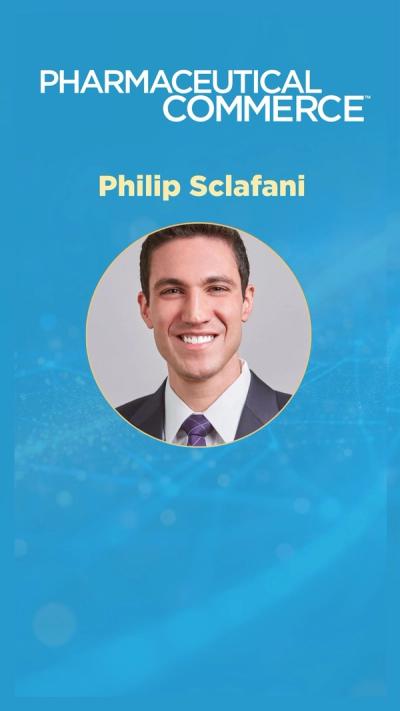
0:57
How AI Is Transforming Healthcare and Pharma
8 months ago
by
Nicholas Saraceno, Senior Editor(+1 more)

0:36
How States Like Colorado and Utah Are Leading AI Regulation
a year ago
by
Nicholas Saraceno, Senior Editor(+1 more)
Podcasts
Advertisement
More News

Ed Schoonveld examines how AI is reshaping drug pricing and access, from payer decisions to prescribing, and what it means for new drug treatments.

Pharma hub services are evolving as manufacturers navigate specialty therapy growth, digital transformation, vendor transitions, and new models for patient access and support.

Kenco has put DeepFabric's AI agents into live production across its 3PL operations, with plans to scale to 20 agents within a year.

Access leaders are pressed to prove AI ROI, but ConnectiveRx execs Cindy Baksh and Steve Randall argue the real work is defining "better" first, then deciding where AI fits.

Peli BioThermal and PAXAFE are partnering to pair cold chain packaging with AI-powered monitoring, signaling where pharma logistics technology is headed next.
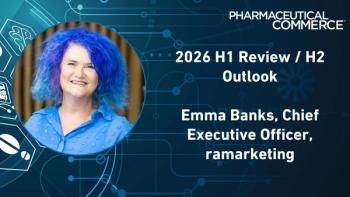
Ramarketing CEO Emma Banks revisits her "year of two halves" outlook, discussing whether 2026 has followed the same pattern and what she expects for H2.

Doceree launched Semmelweis, an AI model built for pharma commercialization, as drugmakers ramp up AI investment in marketing and sales operations.

Generating real-world evidence isn't enough. What drives market access is whether payers can actually evaluate and act on it.

4flow's Natalia Andreyeva breaks down the persistent planning failures driving AI adoption in pharma supply chains.

The US DSCSA requires digital drug traceability to ensure patient safety, but supply chains face data errors; deploying AI adds an intelligent compliance layer to automate process tracking and protect drug access.

BMS will deploy enterprise AI across functions to streamline workflows, structure field insights, and improve HCP engagement and execution.

Ben Sharples, LogiPharma event director, examines how life sciences organizations are adapting to AI in the supply chain, with expert testimony from LogiPharma partners.
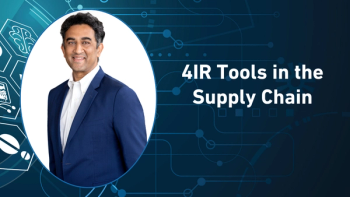
Joydeep Ganguly evaluates 4IR tools, data strategy, and why end-to-end thinking will define pharma supply chain transformation.

Rahul Shah and Mack MacKenzie explain how to unlock the ROI that rules-based systems have left on the table.

Brightseed debuts a clinically validated AI platform to integrate life sciences innovation from discovery to commercialization

The AI-native operating system targets complex workflows, automating claims and communications to reclaim logistics teams' time.

By unifying data, workflows, and decision-making across partners, AI orchestration is enabling healthcare supply chains to move from reactive firefighting to proactive resilience—supporting faster responses, smarter tradeoffs, and more reliable patient care delivery.
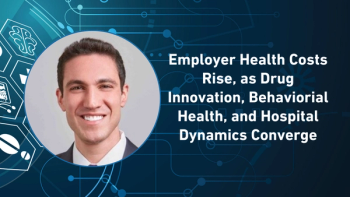
In the first part of his Pharma Commerce video interview, Philip Sclafani, PwC’s pharmaceutical and life sciences lead, discusses how from GLP-1 adoption to specialty drugs, behavioral health utilization, and hospital consolidation, multiple forces are reshaping employer-sponsored healthcare costs—and pushing premiums and cost-sharing higher.

Traditional market access practices are being transformed by an increasingly rocky landscape of rebate, discount, and direct-distribution practices, but artificial intelligence may clear the pathways to profitability.

As safety data grows in scale and complexity, AI-powered pharmacovigilance is emerging as a strategic imperative—helping drugmakers improve detection, reduce risk, and strengthen commercial performance.

AI-powered control towers and digital twins are emerging as essential tools to prevent costly supply chain failures and restore operational reliability.
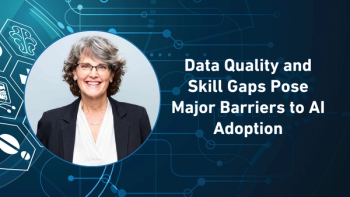
In the second part of her Pharma Commerce video interview, Christy Christian, senior industry principal with Kinaxis, shares how transitioning from spreadsheets to AI-driven orchestration requires more than new technology—it demands clean, reliable data and a workforce ready to interpret and act on insights.

This guide outlines a proven framework, spanning process, people, and platform, to help healthcare innovators scale AI with compliance, collaboration, and clinical impact in mind.

How next-generation AI-driven traceability hubs can transform pharmaceutical serialization from a compliance requirement into a business advantage, while enabling real-time supply chain visibility, faster issue resolution, and greater operational efficiency across the global drug distribution network.
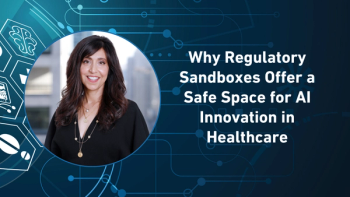
In the second part of her Pharma Commerce video interview, Linda Malek, JD, partner at Crowell & Moring, notes that by bringing regulators and innovators together, regulatory sandboxes could help US healthcare organizations test and refine AI tools responsibly, which allows oversight agencies to keep pace with rapid technological change.
Advertisement
Advertisement