


Legal & Regulatory
Latest News
Advertisement
Latest Videos






Shorts

0:49
Why Holistic Thinking Fails in the Tariff Debate
10 months ago
by
Nicholas Saraceno, Senior Editor(+1 more)

0:57
Operationalizing DSCSA compliance Into Business as Usual
a year ago
by
Nicholas Saraceno, Senior Editor(+1 more)
0:40
Ways CNPVs Could Reframe America’s Drug Production Strategy
a year ago
by
Nicholas Saraceno, Senior Editor(+1 more)

0:36
How States Like Colorado and Utah Are Leading AI Regulation
a year ago
by
Nicholas Saraceno, Senior Editor(+1 more)

0:40
An October Issue Endorsement From Our President and CEO
a year ago
by
Nicholas Saraceno, Senior Editor(+1 more)
Podcasts

Advertisement
More News

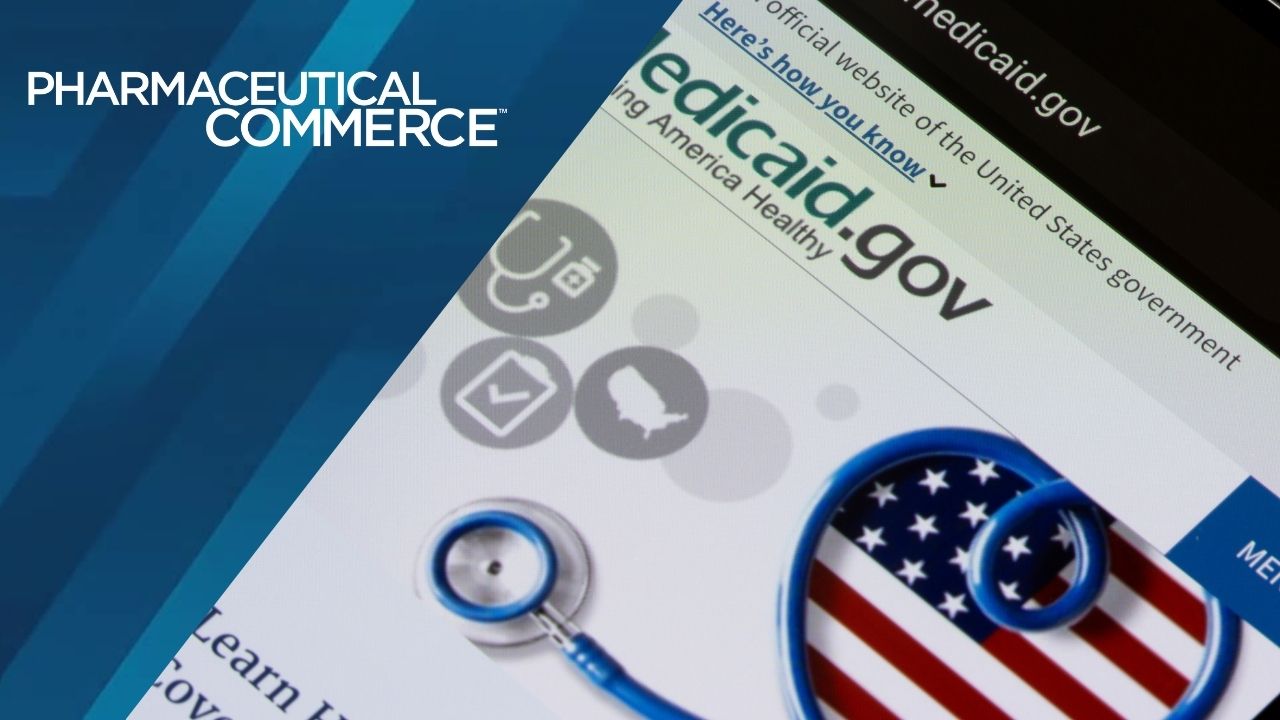
The White House said Medicaid programs in all 50 states, D.C. and Puerto Rico now receive MFN prices, with nearly $65 billion in savings over a decade.

DSCSA data exchange has matured into daily operations, but the coming NDC-12 shift and a national licensure standard add new work streams before old ones are fully settled.

Authenticx CEO Amy Brown on why patient support AI needs continuous oversight, not just adoption.

Twenty-six manufacturers now hold most-favored-nation agreements, and the commitments attached to the pricing terms may matter more than the prices themselves.

As loss-of-exclusivity events accelerate, generics and biosimilars are diverging into distinct business models, demanding different regulatory, IP, and market access strategies from manufacturers.

EVERSANA's Vikram Anand explains how disconnected PV systems and manual safety processes can create commercial delays after FDA approval.
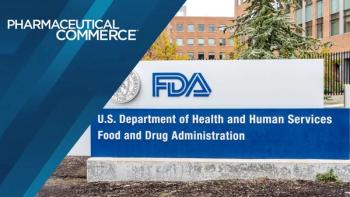
Trump is expected to pick White House aide Dr. Heidi Overton to lead the FDA, pending Senate confirmation, as the agency works to rebuild industry trust.

One Vaccine, Three Supply Chains: The Hidden Consequences of Splitting MMR
Published: | Updated:
Separating the combination MMR shot into three vaccines would not just change how children are immunized. It would require building three new supply chains from a licensing base that does not yet exist.

DSCSA verifies package movement, but resilience requires visibility into capacity, quality and sourcing risk.

Patient Advocate Foundation's Amy Niles on faster CMS prior authorization rules, Medicaid work requirements and what shrinking coverage means for patients.

The Critical Layer for Pharma's Growing Direct-to-Patient Play
Published: | Updated:
DTP programs are outpacing regulatory guidance. Chander Viswanathan and Shannon Wiley, JD, make the case for compliance-by-design infrastructure over reactive fixes.

AMCP's Adam Colborn breaks down survey findings on how health plans and PBMs view the TrumpRx platform.
FDA is evaluating small pharmacies' package-level tracing capabilities while extending certain Drug Supply Chain Security Act exemptions to those dispensers through November 2027.

Four pharma experts discuss industry trends in M&A, direct-to-patient sales, patient access and commercial strategy at the H1 midyear mark.

The Section 232 tariff deadline for 17 major drugmakers has arrived. Here's what pharma supply chain teams need to know now.

Domestic manufacturing can reduce certain dependencies, but reliable pharmaceutical commercialization requires qualified redundancy, sustainable economics, quality maturity and decision-ready visibility across the full supply network.

Gifthealth's Chip Parkinson shares his outlook on direct-to-patient models in specialty, regulation and platform design heading into 2027.

Four pharma commerce experts revisit their 2026 predictions on dealmaking, patient access and commercialization at the year's midpoint.

Gifthealth's Chip Parkinson says direct-to-patient adoption has accelerated since January, driven by structural, not cyclical, market forces.

Gifthealth's Chip Parkinson revisits his 2026 outlook on the direct-to-patient model, and what's developed in H1.

Shortages of antibiotics, IV fluids and sterile injectables are hardening as new EU and US rules push pharma to fix the incentives behind them.
Amy Niles of the Patient Advocate Foundation on the Medicare Part D cap, Medicaid, ACA exchanges and rural hospital access in late 2026.
Amy Niles of the Patient Advocate Foundation on Medicaid work requirements, ACA subsidy expiration and patient affordability in 2026.
Amy Niles of the Patient Advocate Foundation revisits her 2026 outlook on prior authorization reform and the Medicare Prescription Payment Plan.

Novo Nordisk’s complaint argues that Lilly's campaigns leave out information about the most effective injectable doses of Wegovy (semaglutide) and Ozempic (semaglutide), a dispute that could reshape how both companies compete for share in the GLP-1 market.
Advertisement
Advertisement
Trending on Pharmaceutical Commerce
1
BioPharma Supply Chains of the Future: What to Know About Localization
2
Inside Cencora's Approach to AI-Driven Demand Sensing
3
Epic, Amazon, Cost Plus Announce Point-of-Care Cash Price Tool
4
What AI Changes, and Doesn’t, in Exception Handling
5