



Manufacturing & Packaging
Latest News
Advertisement
Latest Videos





Shorts

1:33
PC Poetry Corner
9 months ago
by
Nicholas Saraceno, Senior Editor
0:49
Why Holistic Thinking Fails in the Tariff Debate
10 months ago
by
Nicholas Saraceno, Senior Editor(+1 more)

0:57
Operationalizing DSCSA compliance Into Business as Usual
a year ago
by
Nicholas Saraceno, Senior Editor(+1 more)
0:57
The Value of Cold Chain Tech in Providing Pharma Delivery
a year ago
by
Nicholas Saraceno, Senior Editor(+1 more)
0:58
Unlocking Sustainability
a year ago
by
Nicholas Saraceno, Senior Editor(+1 more)
Podcasts
Advertisement
More News

The Section 232 tariff deadline for 17 major drugmakers has arrived. Here's what pharma supply chain teams need to know now.

Domestic manufacturing can reduce certain dependencies, but reliable pharmaceutical commercialization requires qualified redundancy, sustainable economics, quality maturity and decision-ready visibility across the full supply network.

Shortages of antibiotics, IV fluids and sterile injectables are hardening as new EU and US rules push pharma to fix the incentives behind them.

The API Innovation Center's Gerren McHam on China's new supply chain rules, reshoring policy, and where US drug manufacturing goes next.

ORBIS' Matt Marchetti outlines how pharma companies can define supply chain impact, KPIs, and ROI when transitioning to reusable plastic pallets.

As China tightens supply chain rules, tariff pressure persists, and the FDA's PreCheck Program takes shape, this FAQ breaks down how pharma reshoring stands in 2026.
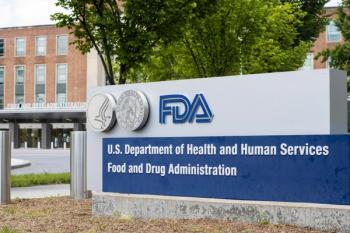
The FDA selected seven companies, including two CGT manufacturers, for its PreCheck Pilot to accelerate domestic manufacturing approvals and bolster supply chain resilience.

As CGTs scale from clinical to commercial, Cencora's Krystal Haynes discusses the supply chain decisions that determine whether a launch succeeds.

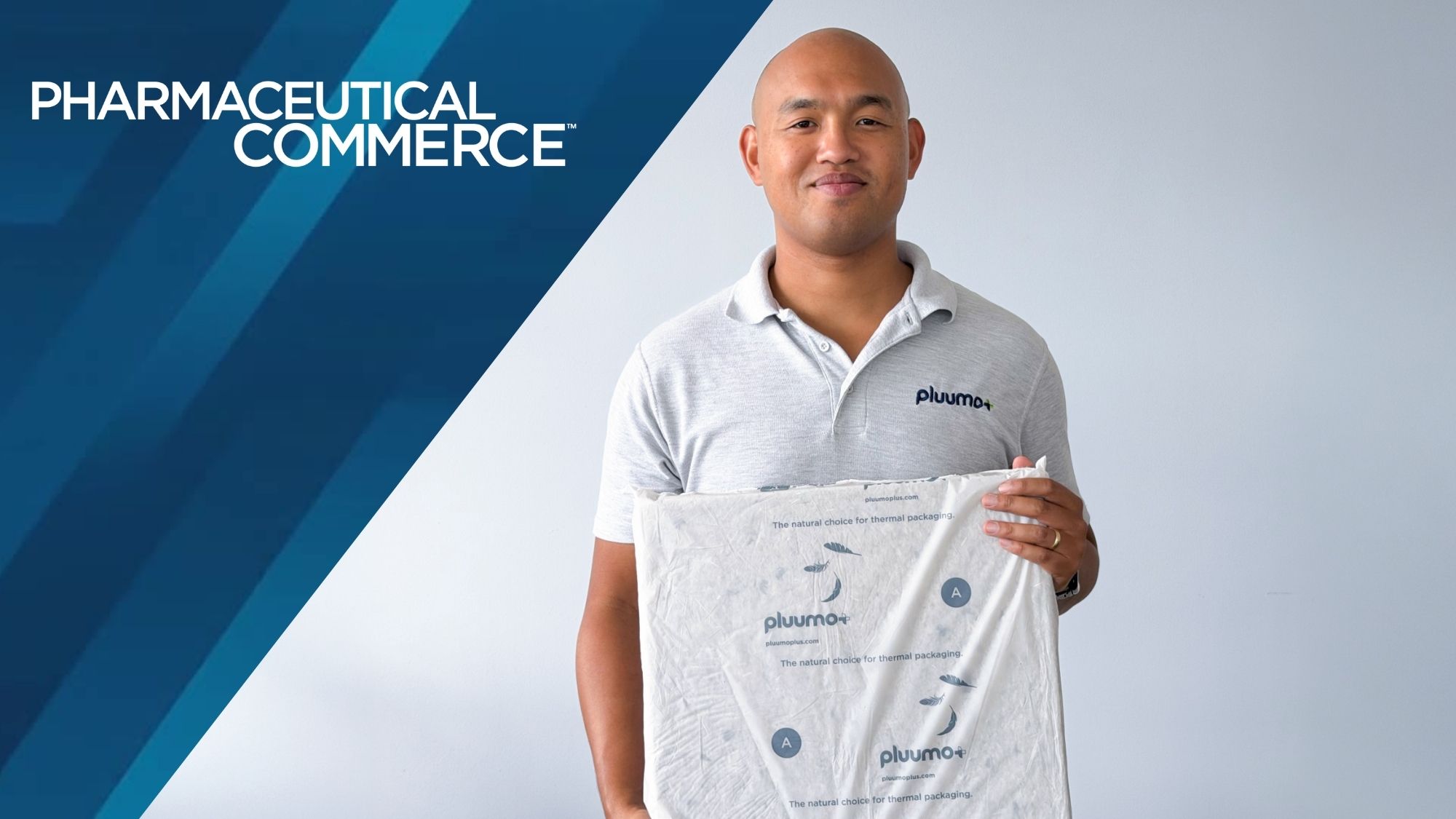
GEODIS completed 86 international trial shipments using recyclable paper-based thermal covers, marking a credible step forward in sustainable pharmaceutical airfreight packaging.
Cold chain packaging was built for a stable world. As disruption becomes the norm, pharma logistics teams are rethinking what control actually means and when it has to happen.

ThermoSafe expands US VIP manufacturing amid surging biologics demand and growing pressure to reduce overseas cold chain packaging risk.

By prioritizing solutions such as reusable plastic pallets, pharmaceutical companies can ensure that their high-value innovations are protected by equally innovative packaging.

The facility opening corresponds with a new $4.5 billion capital commitment across two of Lilly's three sites in Lebanon, Indiana.

Raquel Vazquez discusses how data can be incorporated to make key decisions within the cold chain.


Identiv's ID-Safe portfolio expands NFC authentication and tamper detection to secure pharmaceutical supply chains against counterfeiting and fraud.

Brightseed debuts a clinically validated AI platform to integrate life sciences innovation from discovery to commercialization

The facility addresses growing demand for GLP-1 medications and other temperature-sensitive pharmaceuticals.

CMS’s CY 2027 Medicare Advantage rates signal mounting cost pressure, setting the stage for tighter benefits, tougher contracting, and heightened access scrutiny in the months ahead.
Companies not included in the initial round are now pursuing their own agreements amid concerns over levies, Medicare pilot programs, and future price-setting policies.

Sector leaders explore how third-party logistics providers are adapting to advanced therapies, tighter regulations, digital transformation, and expanding cold chain demands.

Rising recalls, tighter FDA enforcement, global supply chain dependencies, and rapid technology shifts are reshaping pharmaceutical quality and compliance—forcing manufacturers to rethink oversight, resilience, and continuous improvement across operations.

As policy pressure, tariffs, and supply chain risks push drugmakers to expand US-based production, this FAQ explains what pharma reshoring is, why it’s accelerating, which companies are investing, and how the shift could reshape reliability, regulation, and patient access.
SQ Innovation’s at-home furosemide injection for heart failure–related edema is now available through two of the Big Three drug wholesalers and covered under a Medicaid rebate agreement, expanding access for hospitals, pharmacies, and eligible patients.

In the final part of his Pharma Commerce video interview, Joe Hudicka, entrepreneur and supply chain expert, outlines how real-time AI signal sharing across supply chain partners can help pharma companies anticipate demand shifts, reduce shortages, and respond faster to pandemics and geopolitical disruptions.
Advertisement
Advertisement
Trending on Pharmaceutical Commerce
1
Inside the 340B Rebate Pilot Standoff: Court, Congress, Drugmakers
2
Pharma Pulse: Cencora to Acquire AON, Amazon and Google Back ePA Expansion
3
Supply Chain Signal: PhRMA’s GLOBE Lawsuit and the New Economics of Pharma Supply Chains
4
How Pharma Automation Cuts Human Touches and Error Risk
5