In today’s Pharma Pulse, we dissect the resource drain of new pilot programs, the growing concerns over global supply chain dependency, and the simple tech intervention improving glycemic control.
In today’s Pharma Pulse, we dissect the resource drain of new pilot programs, the growing concerns over global supply chain dependency, and the simple tech intervention improving glycemic control.

In final part of his Pharma Commerce video interview, Faisal Khan, a GRC solutions expert with Vanta, points out how leadership buy-in, role-based training, and “cyber moments” can reinforce continuous awareness and shared responsibility across the organization.
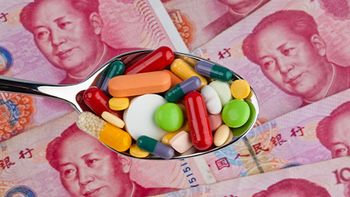
A US-China Economic and Security Review Commission report highlights China’s tightening grip on APIs, biomanufacturing, and R&D services, raising alarms about supply chain vulnerabilities, data transparency gaps, and the urgent need for US policy action.
In today’s Pharma Pulse, learn how digital pharmacy safety gaps, Novo Nordisk’s introductory programs for Wegovy and Ozempic, and Scott Gottlieb’s new role at UnitedHealth are shaping patient access and industry strategy.
In the fourth part of her Pharma Commerce video interview, Christy Christian, senior industry principal with Kinaxis, shares how reducing inefficiencies cuts waste, preserves profitability, and ultimately lowers consumer prices while increasing production capacity to meet rising demand.
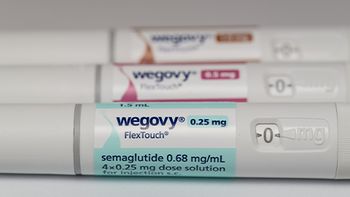
The company is launching new self-pay pricing options, expanded savings programs, and partnerships with telehealth and retail providers. all while its obesity portfolio gains momentum under the FDA’s National Priority Voucher program.
A review of COVID-19 vaccine access inequities, emerging cardioprotective data for semaglutide, and Experity’s integration with Amazon Pharmacy highlights the shifting dynamics of patient access, clinical innovation, and digital-first care delivery in today’s Pharma Pulse.
In fourth part of his Pharma Commerce video interview, Faisal Khan, a GRC solutions expert with Vanta, explains how tools like Vanta offer real-time visibility, safeguard patient data, and help prevent costly violations before they occur.
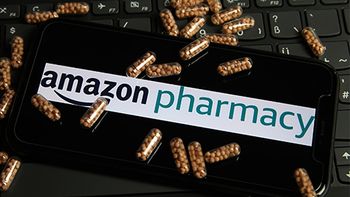
A new partnership integrates Amazon Pharmacy into Experity’s urgent care platform, enabling in-clinic prescription ordering, faster fulfillment, and improved treatment adherence through streamlined digital workflows.
This episode of Pharma Pulse discusses how new analysis shows poor treatment and monitoring rates among young adults with high cholesterol, while national efforts ramp up to identify pharmacy deserts—and one US pharmacy becomes the first to accept cryptocurrency for prescriptions.

The nationally licensed pharmacy network now supports Ethereum, Solana, and XRP across all retail locations, marking a major step toward faster, more transparent payments—and laying the groundwork for a blockchain-based prescription drug payment system.
This episode of Pharma Pulse discusses how the FDA’s new plausible mechanism pathway, WeightWatchers’ plans to offer oral Wegovy, and emerging evidence on berberine are shaping the future of obesity and metabolic health care.
In third part of his Pharma Commerce video interview, Faisal Khan, a GRC solutions expert with Vanta, emphasizes the need for a risk-based approach—grounded in clear policies, defined criteria, and tailored mitigation plans—to ensure third-party partnerships remain compliant and secure.
As FDA fast-tracks GLP-1 treatments under its new pilot National Priority Voucher program, WeightWatchers prepares to position itself to compete in the fast-evolving weight-loss drug market driven by affordability and accessibility.
This episode of Pharma Pulse discusses how Dr. Richard Pazdur’s appointment signals a new era for FDA drug evaluation, why hospitals are opposing the government’s 340B pilot program, and how Novartis is expanding its US manufacturing footprint with a new radioligand therapy facility in California.
In the second part of her Pharma Commerce video interview, Christy Christian, senior industry principal with Kinaxis, shares how transitioning from spreadsheets to AI-driven orchestration requires more than new technology—it demands clean, reliable data and a workforce ready to interpret and act on insights.
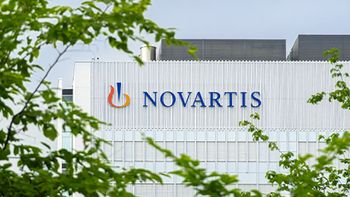
The pharma giant’s new 10,000-square-foot Carlsbad plant strengthens its US manufacturing network and supports its overarching $50 billion investment plan committed to operations.
This episode of Pharma Pulse explores how regulators modernize safety information for hormone therapy, new data that reinforces SGLT2 inhibitors’ clinical value, and Arsenal Capital expanding its life sciences logistics portfolio with the ThermoSafe acquisition.
In the first part of her Pharma Commerce video interview, Christy Christian, senior industry principal with Kinaxis, describes how manufacturers face mounting challenges managing long, complex supply chains, including limited inventory buffers, tight cash flow constraints, and constant policy changes.

The deal—with the potential to be valued at up to $725 million—positions ThermoSafe for accelerated growth and innovation in temperature-controlled packaging solutions, with Arsenal aiming to expand global reach and technological capabilities.
This episode of Pharma Pulse explores a major review finding no link between maternal acetaminophen use and autism or ADHD, CMS launching initiatives to cut Medicaid drug costs, and Eli Lilly expanding its gene therapy collaborations.

This guide outlines a proven framework, spanning process, people, and platform, to help healthcare innovators scale AI with compliance, collaboration, and clinical impact in mind.

Launching next year, the new CMS Innovation Center initiative—known as the GENEROUS Model—aims to align Medicaid drug prices with global standards, reduce prescription spending, and strengthen the program’s long-term sustainability through fairer state purchasing and transparent pricing rules.
This episode of Pharma Pulse discusses FDA’s growing National Priority Voucher initiative, fresh data on oral semaglutide’s cardiometabolic impact, and Mark Cuban’s latest drug addition that signals key shifts in innovation, access, and affordability across the pharmaceutical landscape.
Lilly announced a new agreement with the Trump administration to expand access to its GLP-1 therapies, including Zepbound and orforglipron, offering the drugs to Medicare beneficiaries for $50 per month and through Medicaid programs starting in 2026.
Pharma’s push into direct-to-patient sales is reshaping the front end of drug distribution, but wholesalers like Cencora, McKesson, and Cardinal Health remain indispensable as the backbone of the industry’s regulated, specialty, and logistics infrastructure.

The addition of Starjemza reinforces Mark Cuban Cost Plus Drugs' effort to expand access to affordable specialty medicines through its transparent cost-plus pricing model, while also enhancing patient support via a new partnership with Medchat.ai.

As the three models converge, expect a bigger role for sales reps, minimal impact on incentive compensation, and a boon to the healthcare system.

Cencora's investment includes new automated centers in Ohio and California and a major cold chain expansion in Alabama to enhance capacity, efficiency, and supply chain resilience.

How next-generation AI-driven traceability hubs can transform pharmaceutical serialization from a compliance requirement into a business advantage, while enabling real-time supply chain visibility, faster issue resolution, and greater operational efficiency across the global drug distribution network.