In today’s Pharma Pulse, the FDA shifts its stance on Moderna’s mRNA flu vaccine after an initial rejection, while Eli Lilly secures a major licensing deal for a promising anti-inflammatory antibody.
In today’s Pharma Pulse, the FDA shifts its stance on Moderna’s mRNA flu vaccine after an initial rejection, while Eli Lilly secures a major licensing deal for a promising anti-inflammatory antibody.
The online pharmacy is collaborating with a digital health provider to combine direct-to-patient GLP-1 dispensing with virtual clinical support, highlighting evolving supply chain and regulatory considerations in obesity care.
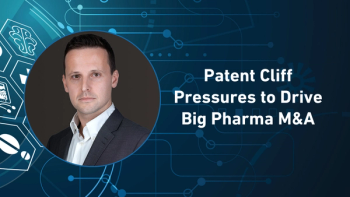
In the final part of his Pharma Commerce video interview, Dan Chancellor, Norstella’s vice president of thought leadership, shares that companies facing the largest revenue gaps from looming patent expirations—including Bristol Myers Squibb—could be poised for increased dealmaking as they look to rebuild growth pipelines.
In today’s Pharma Pulse, HHS Secretary RFK Jr. centralizes department operations under CMS leadership, while a new telehealth model shows a 66% reduction in repeat ER visits for older adults.
Pharma’s $372B M&A surge fights a $300B patent cliff, with firms relying on early-stage assets and Chinese innovation to fill gaps by 2030.

A 2026 industry survey finds mounting pressure from PBMs, federal pricing reforms, and compliance scrutiny, as manufacturers increase automation and AI investment to manage expanding gross-to-net exposure.
In the second part of his Pharma Commerce video interview, Dan Chancellor, Norstella’s vice president of thought leadership, suggests that 2026 pharma M&A may fall short of last year’s $220 billion total—potentially featuring fewer but larger, high-value acquisitions driven by competitive bidding.
In today’s Pharma Pulse, the Senate tackles the regulatory red tape driving physician burnout, while Edwards Lifesciences ends its anti-copycat policy to settle European Commission antitrust concerns.
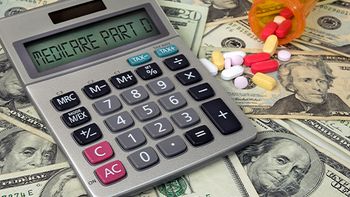
While the Inflation Reduction Act introduces a $2,100 out-of-pocket cap and payment smoothing options for Medicare Part D beneficiaries, low awareness and persistent health literacy gaps threaten to limit their real-world impact—highlighting the need for coordinated action across providers, pharmacies, industry, and advocacy groups.
In the first part of his Pharma Commerce video interview, Dan Chancellor, Norstella’s vice president of thought leadership, explains that despite a looming loss of exclusivity affecting up to $300 billion in drug sales by 2032, pharma dealmaking is expected to remain steady in 2026, as companies pursue acquisitions to close persistent portfolio growth gaps.
In today’s Pharma Pulse, Eli Lilly amasses a record-breaking stockpile for its oral GLP-1, while new research reveals a 66% reduction in endometrial cancer risk for certain patients.
The GLP-1 landscape continues to evolve in both delivery formats and affordability.
In a Q&A, Joe Hudicka, supply chain expert, argues that pharma companies embracing AI-driven, real-time supply chain intelligence will outpace those stuck in status-quo thinking.
In the final part of her Pharma Commerce video interview, Valerie Bandy, PharmD, Tecsys’ vice president of pharmacy solutions, shares why short-term AI use cases—such as demand sensing and shortage risk detection—are delivering the most value in pharmacy supply chains.
In today’s Pharma Pulse, bipartisan lawmakers target PBM vertical integration, while pharma giants race to secure tariff-exempt pricing deals.

Companies not included in the initial round are now pursuing their own agreements amid concerns over levies, Medicare pilot programs, and future price-setting policies.
In the second part of her Pharma Commerce video interview, Valerie Bandy, PharmD, Tecsys’ vice president of pharmacy solutions, points out that shortages remain the top disruption driver, revealing fragmented forecasting, limited enterprise visibility, and poor cross-system integration that keep hospitals stuck in reactive mode instead of proactive planning.
In today’s Pharma Pulse, the FDA issues a rare “Refusal-to-File" for Moderna’s influenza vaccine, while new research confirms GLP-1s act as potent tools against chronic inflammation.
The retailer is now accepting NovoCare savings programs for Wegovy and Ozempic, offering introductory discounts and adding access to oral Wegovy.
In the first part of her Pharma Commerce video interview, Valerie Bandy, PharmD, Tecsys’ vice president of pharmacy solutions, explains why health systems lack real-time pharmacy inventory visibility, driving reactive decisions, higher costs, and increased vulnerability to shortages and disruptions.
In today’s Pharma Pulse, the American College of Physicians issues a formal rejection of the term "provider," while Takeda partners with Iambic Therapeutics to accelerate small-molecule discovery through AI.

Sector leaders explore how third-party logistics providers are adapting to advanced therapies, tighter regulations, digital transformation, and expanding cold chain demands.

Rising recalls, tighter FDA enforcement, global supply chain dependencies, and rapid technology shifts are reshaping pharmaceutical quality and compliance—forcing manufacturers to rethink oversight, resilience, and continuous improvement across operations.

As policy pressure, tariffs, and supply chain risks push drugmakers to expand US-based production, this FAQ explains what pharma reshoring is, why it’s accelerating, which companies are investing, and how the shift could reshape reliability, regulation, and patient access.
In today’s Pharma Pulse, a telehealth giant retreats from the weight loss pill conflict, while safety-net hospitals secure a major legal victory against 340B reform.

Community pharmacies are being squeezed out of local markets, creating pharmacy deserts that raise costs, reduce access, and strain the healthcare system.

SQ Innovation’s at-home furosemide injection for heart failure–related edema is now available through two of the Big Three drug wholesalers and covered under a Medicaid rebate agreement, expanding access for hospitals, pharmacies, and eligible patients.

These hubs can streamline access, reduce friction across reimbursement and logistics, and improve outcomes, as the CGT pipeline expands and patient demand accelerates.

TrumpRx is meant to reduce drug costs, but Americans are wondering how it works and what impact it will have.
In today’s Pharma Pulse, TrumpRx officially goes live, while Novo Nordisk prepares to take the oral version of Wegovy to the biggest stage in advertising.