
In today’s Pharma Pulse, the FDA unveils a Plausible Mechanism framework to fast-track ultra-rare disease therapies, while Astellas partners with Vir Biotechnology in a massive $2.1 billion oncology collaboration.
In today’s Pharma Pulse, the FDA unveils a Plausible Mechanism framework to fast-track ultra-rare disease therapies, while Astellas partners with Vir Biotechnology in a massive $2.1 billion oncology collaboration.

The company is significantly lowering the US list prices for its popular weight loss and diabetes GLP-1 drugs, signaling a broader shift in pricing strategy as competition intensifies and access pressures grow.
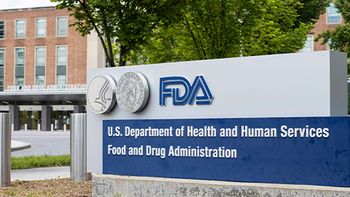
The FDA’s Plausible Mechanism Framework is designed to facilitate the approval of highly individualized therapies for patients with ultra-rare diseases.
In today’s Pharma Pulse, Eli Lilly launches the monthly Zepbound KwikPen to streamline obesity care, while Gilead Sciences moves to acquires Arcellx in a massive expansion of its cell therapy portfolio.
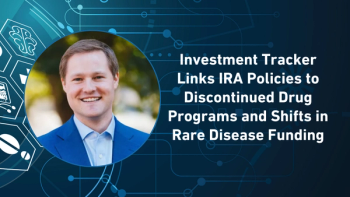
In the third part of his Pharma Commerce video interview, John Stanford, Incubate’s executive director, shares how Incubate’s analysis of SEC filings reports dozens of halted research programs following the Inflation Reduction Act’s passage, while recent legislative changes tied to orphan drugs appear to be influencing renewed rare disease investment.
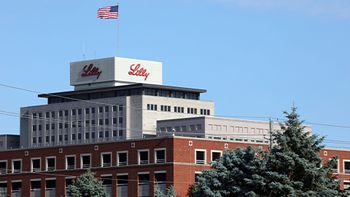
The multi-dose pen—capable of providing a one-month supply—may ease device supply constraints and reshape distribution planning.
In today’s Pharma Pulse, BioNTech escalates its patent battle against Moderna over next-gen COVID shots, while a new pharmacist-led "PRIME" program proves a game-changer for prediabetes prevention.
The Supreme Court invalidated IEEPA-based tariffs, but pharmaceutical tariffs imposed under Section 232 remain in effect.
In the second part of his Pharma Commerce video interview, John Stanford, Incubate’s executive director, points out how uneven Medicare negotiation timelines between small molecules and biologics are influencing R&D and venture funding decisions, according to biotech investors advocating for legislative changes.
In today’s Pharma Pulse, Johnson & Johnson commits over $1 billion to a new biomanufacturing site in Pennsylvania, while Hims & Hers enters a $1.15 billion agreement to acquire Australian telehealth leader Eucalyptus.
A policy change allowing approval of some new drugs based on one adequate and well-controlled study could accelerate development timelines, while raising questions about evidentiary standards and downstream supply chain planning.

The logistics provider has launched a temperature-controlled network with new dedicated capacity and aviation routes designed to enhance the transport of time-critical pharmaceuticals and biologics, responding to the rising demand for reliable, compliant cold-chain logistics.
In the first part of his Pharma Commerce video interview, John Stanford, Incubate’s executive director, explains how third round of CMS drug selections brings physician-administered medicines under price controls for the first time, intensifying debate over provider reimbursement and investment in small-molecule therapies.
In today’s Pharma Pulse, the FDA shifts its stance on Moderna’s mRNA flu vaccine after an initial rejection, while Eli Lilly secures a major licensing deal for a promising anti-inflammatory antibody.
The online pharmacy is collaborating with a digital health provider to combine direct-to-patient GLP-1 dispensing with virtual clinical support, highlighting evolving supply chain and regulatory considerations in obesity care.
In the final part of his Pharma Commerce video interview, Dan Chancellor, Norstella’s vice president of thought leadership, shares that companies facing the largest revenue gaps from looming patent expirations—including Bristol Myers Squibb—could be poised for increased dealmaking as they look to rebuild growth pipelines.
In today’s Pharma Pulse, HHS Secretary RFK Jr. centralizes department operations under CMS leadership, while a new telehealth model shows a 66% reduction in repeat ER visits for older adults.
Pharma’s $372B M&A surge fights a $300B patent cliff, with firms relying on early-stage assets and Chinese innovation to fill gaps by 2030.

A 2026 industry survey finds mounting pressure from PBMs, federal pricing reforms, and compliance scrutiny, as manufacturers increase automation and AI investment to manage expanding gross-to-net exposure.
In the second part of his Pharma Commerce video interview, Dan Chancellor, Norstella’s vice president of thought leadership, suggests that 2026 pharma M&A may fall short of last year’s $220 billion total—potentially featuring fewer but larger, high-value acquisitions driven by competitive bidding.
In today’s Pharma Pulse, the Senate tackles the regulatory red tape driving physician burnout, while Edwards Lifesciences ends its anti-copycat policy to settle European Commission antitrust concerns.

While the Inflation Reduction Act introduces a $2,100 out-of-pocket cap and payment smoothing options for Medicare Part D beneficiaries, low awareness and persistent health literacy gaps threaten to limit their real-world impact—highlighting the need for coordinated action across providers, pharmacies, industry, and advocacy groups.
In the first part of his Pharma Commerce video interview, Dan Chancellor, Norstella’s vice president of thought leadership, explains that despite a looming loss of exclusivity affecting up to $300 billion in drug sales by 2032, pharma dealmaking is expected to remain steady in 2026, as companies pursue acquisitions to close persistent portfolio growth gaps.
In today’s Pharma Pulse, Eli Lilly amasses a record-breaking stockpile for its oral GLP-1, while new research reveals a 66% reduction in endometrial cancer risk for certain patients.
The GLP-1 landscape continues to evolve in both delivery formats and affordability.
In a Q&A, Joe Hudicka, supply chain expert, argues that pharma companies embracing AI-driven, real-time supply chain intelligence will outpace those stuck in status-quo thinking.
In the final part of her Pharma Commerce video interview, Valerie Bandy, PharmD, Tecsys’ vice president of pharmacy solutions, shares why short-term AI use cases—such as demand sensing and shortage risk detection—are delivering the most value in pharmacy supply chains.
In today’s Pharma Pulse, bipartisan lawmakers target PBM vertical integration, while pharma giants race to secure tariff-exempt pricing deals.

Companies not included in the initial round are now pursuing their own agreements amid concerns over levies, Medicare pilot programs, and future price-setting policies.
In the second part of her Pharma Commerce video interview, Valerie Bandy, PharmD, Tecsys’ vice president of pharmacy solutions, points out that shortages remain the top disruption driver, revealing fragmented forecasting, limited enterprise visibility, and poor cross-system integration that keep hospitals stuck in reactive mode instead of proactive planning.