
Set to debut in California this December, Amazon’s new pharmacy kiosks aim to streamline care by letting One Medical patients pick up prescriptions right after appointments, eliminating the need for a separate pharmacy visit.
Set to debut in California this December, Amazon’s new pharmacy kiosks aim to streamline care by letting One Medical patients pick up prescriptions right after appointments, eliminating the need for a separate pharmacy visit.
This episode of Pharma Pulse covers the CDC’s new individualized approach to COVID-19 vaccination and changes to chickenpox guidance for toddlers, new research showing how GLP-1 therapies can interfere with PET-CT imaging results, and the Third Circuit Court’s rejection of Novo Nordisk’s IRA challenge.
In the second part of his Pharma Commerce video interview, Shawn Opatka, VP and GM, Honeywell Life Sciences, notes that nearly all pharma organizations are experimenting with AI to address labor shortages, data challenges, and regulatory demands, but full-scale adoption remains on the horizon as companies balance innovation with compliance.

The appellate court upheld Medicare’s authority to negotiate lower drug prices under the Inflation Reduction Act, following similar rulings against AstraZeneca, Bristol Myers Squibb, and Novartis.
Krenar Komoni, founder and CEO of Tive, explains how the pharmaceutical industry’s transition from passive to real-time temperature control creates short-term challenges but will ultimately enable AI-driven automation, lower costs, higher quality, and better customer experiences.
This episode of Pharma Pulse covers the FDA’s approval of golimumab for pediatric ulcerative colitis, AstraZeneca’s new multi-target neuroscience partnership with Algen, and Peli BioThermal’s acquisition of Evo to strengthen its global cold chain portfolio.
As precision medicine reshapes drug distribution, Ammie McAsey, SVP of Supply Chain Operations, McKesson, highlights the need for deeper investments in technology, temperature control, and end-to-end visibility to ensure quality and patient safety in advanced therapy supply chains.

The addition of Evo’s cryogenic shipping and tracking technology enhances Peli BioThermal’s reach across the pharma value chain, driving innovation and integration in temperature-controlled logistics while supporting these therapies.

As AI adoption accelerates across life sciences, Shawn Opatka, VP and GM of Honeywell Life Sciences, and Linda Malek, JD, partner at Crowell & Moring, discuss how regulatory expectations and federal initiatives—like the White House AI Action Plan—are shaping the technology’s future role in pharma quality, traceability, and healthcare systems.
This episode of Pharma Pulse covers new research showing how obesity at age 20 increases postpartum diabetes risk, Amgen’s new direct-to-consumer digital platform aimed at improving treatment access, and Eli Lilly’s $1 billion investment to strengthen manufacturing in India.

The investment will establish a new hub overseeing contract manufacturing across India and expand Lilly’s global supply of medicines for Alzheimer’s, diabetes, obesity, and cancer, amid shifting US trade and tariff policies.
In a recent panel discussion, Krenar Komoni, founder and CEO of Tive, highlighted how combating rising supply chain theft requires a multi-layered, technology-driven security strategy.
This episode of Pharma Pulse covers allegations of retaliation against a former NIAID director following whistleblower complaints, new research suggesting ALS may be an autoimmune disease, and the wave of hospital layoffs affecting thousands of healthcare workers across the United States.
Ammie McAsey, SVP of Supply Chain Operations, McKesson, emphasizes the critical role of collaboration, technology, and partnerships in ensuring advanced and specialty therapies reach patients safely and effectively.
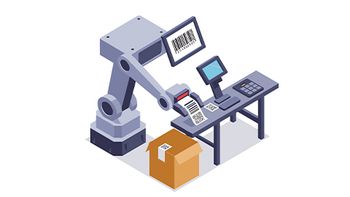
A new report underscores how 2D barcodes and automated data capture powered by GS1 standards can help logistics and life sciences companies overcome outdated systems, labeling issues, and visibility gaps.
Dave Malenfant, healthcare supply chain expert, outlines the topics that are top of mind at the show.
This episode of Pharma Pulse covers the FDA’s quiet approval of the first generic mifepristone tablet, Takeda’s decision to discontinue cell therapy research programs, and SciSafe’s expansion of biopharma storage capacity with a new East Brunswick, New Jersey facility.
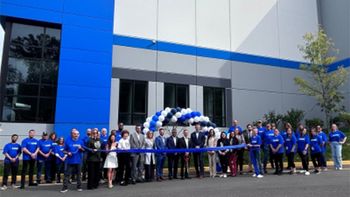
The new 5-million-cubic-foot biorepository enhances cold chain logistics, expands biopharma storage capacity, and strengthens New Jersey’s position as a life sciences hub.
Dave Malenfant, healthcare supply chain expert, reflects on LogiPharma USA’s 20-year evolution, noting its shift toward greater diversity and inclusion, particularly with more women entering the industry.
This episode of Pharma Pulse covers the potential ramifications of a federal government shutdown on FDA operations, Aetna’s newly announced 2026 Medicare Advantage offerings, and new research showing maternal and child mortality rates in the US remain higher than in most high-income nations.

Experts from Moderna, Revelation Pharma, and Alexion offer ways to reduce risks, improve real-time visibility, and ensure product integrity in the growing ship-to-home market.
Dave Malenfant, healthcare supply chain expert, shares his excitement about the strong turnout at LogiPharma USA, noting a packed master class and his role as chair of the “people” track—a personal passion.
This episode of Pharma Pulse covers ATA’s warning that telehealth protections are critical to maintaining care access during a potential federal shutdown, new KFF data showing the rapid rise of Medicare Advantage special needs plans, and Halozyme’s $750 million acquisition of Elektrofi to expand its drug delivery portfolio.
How cell and gene therapy developers can lessen the chances of receiving FDA complete response letters through the use of proactive chemistry, manufacturing, and controls strategies.
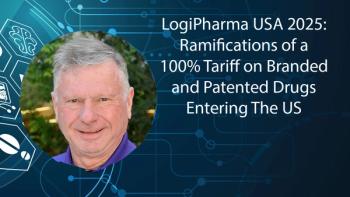
Dave Malenfant, healthcare supply chain expert, discusses the ramifications of a 100% tariff on branded and patented drugs entering the US.

Christy Christian, senior industry principal with Kinaxis, and Hari Kiran Chereddi, CEO of HRV Pharma, explain why AI’s reliability depends on product stability, how human judgment still matters, and how a digital, AI-validated manufacturing backbone is accelerating regulatory reviews, strengthening supplier management, and transforming global production readiness.
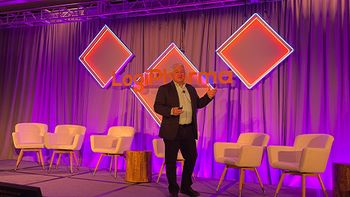
Bayer’s Luiz Barberini highlights how artificial intelligence is transforming supply chain operations, while emphasizing the irreplaceable value of trust, transparency, and human relationships.
This episode of Pharma Pulse covers the Trump administration’s plan to launch a government-run healthcare website for patients, new data showing gabapentin has become the fifth most prescribed drug in community pharmacies, and promising trial results from a novel gene therapy that slows the progression of Huntington’s disease.

Supply chain leaders share strategies to address persistent drug shortages, highlighting vulnerabilities, manufacturing complexities, and the importance of cross-industry collaboration.
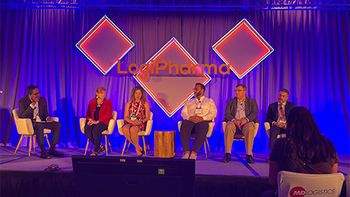
At the conference’s milestone 20th anniversary event in Boston, experts unpacked the final stages of DSCSA implementation, highlighting pharmacy compliance challenges, state-level variability, and the role of technology in securing the pharmaceutical supply chain.