Sponsored
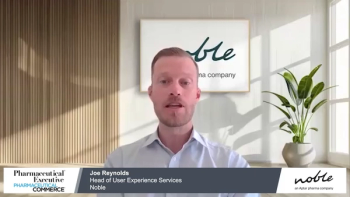
Joe Reynolds, Head of User Experience Services at Noble, breaks down what it really takes for pharmaceutical companies to move therapy from the clinic into the patient's home.
Jennifer Lospinoso shares how cell and gene therapy access models differ from normal specialty medications, and how the market will adapt in the next five years.
In the second part of her interview with Pharmaceutical Commerce live from
Lospinoso explains that traditional specialty products often move through a buy-and-bill model, where treatment centers take possession of therapies and assume the associated financial risk. In CGT, however, treatment centers are often less willing to carry that exposure, leading manufacturers to adopt alternative distribution approaches such as flash title models, where ownership transfers briefly at the treatment site dock to reduce the duration of financial liability.
She also describes specialty pharmacy “drive-by” models, in which specialty pharmacies assume the financial risk, facilitate therapy transfer to treatment centers, and later receive reimbursement from payers.
Looking ahead, Lospinoso noted that while there are currently about 50 approved CGTs, roughly
Watch the first part of her interview with PC: