
Commentary|Videos|June 27, 2025
Peer Exchange: Developing a Manufacturing Contingency Plan (Episode 2)
Author(s)Nicholas Saraceno, Senior Editor
In the second part of this roundtable discussion, a panel of key opinion leaders dive into the key risk factors impacting the pharma manufacturing space, and how the industry should aim to address them.
Advertisement
Advertisement
In this Pharmaceutical Commerce roundtable discussion, Nicholas Saraceno, editor of Pharmaceutical Commerce and the peer exchange’s moderator, introduced a discussion on the pharmaceutical supply chain, highlighting its complexity and importance in delivering medications safely and efficiently from manufacturers to patients. The conversation explored the roles of various stakeholders, the need for supply chain resilience and quality control, and the growing importance of data management in achieving these goals.
Related to this article

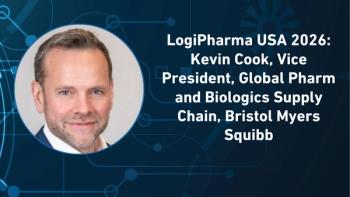
BMS’s Kevin Cook explains why digital capability is becoming a must-have for strategic CMO partners and why the next phase starts with the basics.

At LogiPharma USA 2026, BMS’s Kevin Cook explains why CMO partnerships must move beyond transactions toward shared goals and KPIs.

At LogiPharma USA 2026, Freehand's Nitin Jayakrishnan explains why AI and the people supply chain will shape pharma supply strategy.

Episode 4 of Supply Chain Signal examines PhRMA’s legal challenge to CMS’ GLOBE model and whether manufacturers can lower costs, expand U.S. production and strengthen supply chain resilience all at once.

Cencora’s Matt Sample and Gregg Gorniak explain why AI should recommend, not decide, and why pharma needs an agent strategy before chasing use cases.

At LogiPharma USA 2026, Swisslog's Garrett Freeman explains how automation cuts human touches, enforces quarantine and consolidates cold storage.

PAXAFE's Mark Talens explains why real-time visibility starts with process redesign and how it speeds cold chain disposition decisions.
Advertisement
Advertisement