
PAXAFE's Mark Talens explains why real-time visibility starts with process redesign and how it speeds cold chain disposition decisions.
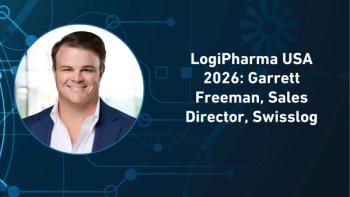
At LogiPharma USA 2026, Swisslog's Garrett Freeman explains how automation cuts human touches, enforces quarantine and consolidates cold storage.
In an industry where the storage, handling and distribution of product are tightly regulated, one of automation's clearest advantages is simple: fewer human touches. According to Garrett Freeman, sales director at Swisslog Americas, the more often people interact with a manufacturing process, the more likely errors become. Speaking with Pharmaceutical Commerce at
That can mean automating the movement of goods from trailer unloading into the manufacturing process, or bringing consumables and raw materials to operators to reduce selection errors. When that equipment is paired with warehouse execution and control systems that feed quality control data, the result is an event-by-event record of where every item went.
That record also makes enforcement possible. Instead of relying on someone in inventory control to flag a quarantined lot, the software assigns that status and the machine cannot select the lot.
Investment plans point the same way. In AlixPartners' 2026 U.S. Healthcare & Life Sciences Survey, two-thirds of life sciences respondents said they plan to significantly increase investment in technology, AI and automation over the next 12 months.1
Freeman, who has worked in cold chain before, sees a similar shift in temperature-controlled storage. Facilities once kept freezer, cooler and ambient rooms separate and consolidated orders by hand. Greenfield designs can now include convertible rooms that switch between freezer, 2°C to 8°C and climate-controlled conditions, with software managing the temperature. That flexibility now extends from pallets down to totes, cartons and individual units.
As a result, operators are no longer tied to a single temperature zone. That improves productivity and keeps workers out of cold environments, a long-standing
Freeman links the demand to growth in
Watch the previous installments of Freeman's interview:
1. AlixPartners. 2026 U.S. Healthcare & Life Sciences Survey: Margin Pressure, Regulatory Risk, and the Readiness Gap. May 2026. Accessed Oct. 7, 2026.