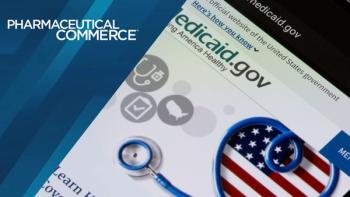
CMS says 40 states and Puerto Rico have signed on to the GENEROUS Model, which applies MFN pricing to Medicaid drugs through state-invoiced rebates.
Valerie Bandy of Tecsys on where 340B rebate mechanics threaten pharmacy purchasing, and how stakeholders can prevent disruption.
In the third and final installment of Pharmaceutical Commerce’s video interview with Valerie Bandy, PharmD, vice president of Pharmacy Solutions at Tecsys, the discussion turns to where 340B rebate mechanics are most likely to disrupt purchasing workflows, and what stakeholders can do about it.
Bandy frames the pharmacy supply chain as a single connected system rather than a set of discrete steps. Purchasing decisions made at procurement, including supplier and contract selection, ripple into inventory and dispensing, where incomplete visibility into product location and usage can obscure compliance issues until after a transaction has already closed. That gap, she says, forces pharmacy teams into reactive cycles of investigation and correction just to stay in compliance.
Bandy points to a shift toward more proactive tools, citing Tecsys IQ, the company's AI platform, and its 340B Integrity agent, which is designed to flag compliance risk, such as a GPO-prohibited purchase, before it happens rather than after. That approach, she says, marks a
On
Watch the previous installments of Bandy’s interview with PC: