
Conference Coverage
about 2 months ago
Trade & Channel Strategies 2025: Waiting, Watching, and Reshoringabout 2 months ago
Trade & Channel Strategies 2025: Curatio's Priorities for Next Yearabout 2 months ago
Trade & Channel Strategies 2025: Inside the Push to Optimize GTNabout 2 months ago
Trade & Channel Strategies 2025: Inside Pharma’s Turning Pointabout 2 months ago
Trade & Channel Strategies 2025: Topics of Interest2 months ago
The Future of Pharma LogisticsLatest Content

Feb 09, 2026 | Feature
The Broken Business Model Driving America’s Pharmacy Deserts

Lasix ONYU Gains Major Distributor Access Through Cardinal Health and Cencora
Feb 09, 2026

Designing Patient Hubs Purpose-Built for Cell and Gene Therapies
Feb 09, 2026

Everything to Know About TrumpRx in 2026
Feb 09, 2026
Pharma Pulse: TrumpRx Takes Flight and Novo Nordisk’s Super Bowl Gambit
Feb 09, 2026








Advertisement
Shorts
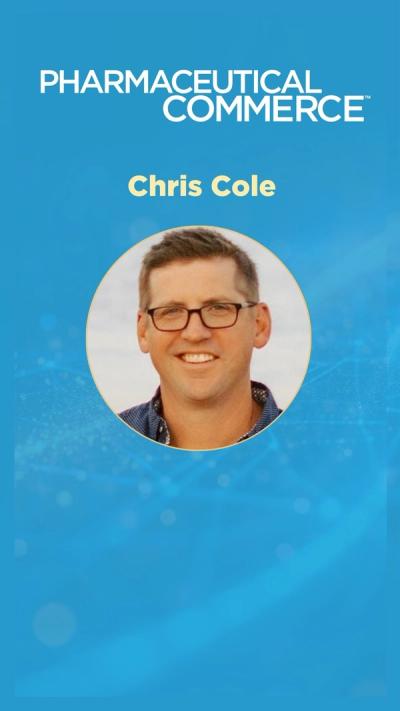
3:13
Penny for Your Thoughts - Episode 1
8 hours ago
by
Christopher Cole
0:49
A PC Synopsis
4 days ago
by
Nicholas Saraceno, Senior Editor

1:33
PC Poetry Corner
5 days ago
by
Nicholas Saraceno, Senior Editor

0:35
How Small Companies Use AI to Topple Giants
5 days ago
by
Nicholas Saraceno, Senior Editor(+1 more)

0:41
Trust Is the Real Roadblock for Decentralized Pharma Networks
10 days ago
by
Nicholas Saraceno, Senior Editor(+1 more)

0:45
Why Your Competitors Are Beating You to the Punch
10 days ago
by
Nicholas Saraceno, Senior Editor(+1 more)

0:50
How AI is Revolutionizing Pharmaceutical Supply Chains
18 days ago
by
Nicholas Saraceno, Senior Editor(+1 more)

0:58
The Challenge in Picking the Right Insurance Plan
18 days ago
by
Nicholas Saraceno, Senior Editor(+1 more)
1:05
Highlights from Day 4 at JPM Healthcare 2026
25 days ago
by
Christopher Cole
1:12
Highlights from Day 3 at JPM Healthcare 2026
a month ago
by
Christopher Cole
Pharmaceutical Commerce - December 2025
Click here to read the articles and view the interactive digital edition
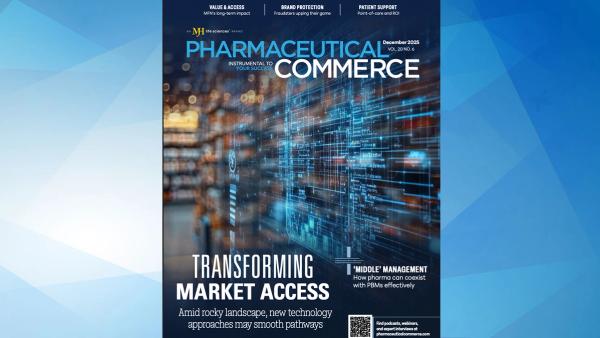
The Key to Connecting with Patients: Pharma's Market Access Transformation
Traditional market access practices are being transformed by an increasingly rocky landscape of rebate, discount, and direct-distribution practices, but artificial intelligence may clear the pathways to profitability.

Working with the Middle
How pharma can productively coexist with PBMs—and still lower drug costs faster.

The Next Era of Drug Safety is in Intelligent Action
As safety data grows in scale and complexity, AI-powered pharmacovigilance is emerging as a strategic imperative—helping drugmakers improve detection, reduce risk, and strengthen commercial performance.

Podcasts
All News
Advertisement
Advertisement

What 2025 means for the life sciences sector in the New Year.

The new platform offers coupon-driven discounts on dozens of high-cost brand name drugs, while raising new questions about eligibility, access, and how savings are applied.

The commercial PBM model is confronting structural strain as market forces—not regulation—begin to expose the fragility of high-rebate pricing economics.

A four-pillar strategy to help ensure both, as copay programs face mounting payer pressure and misuse in 2026.
In today’s Pharma Pulse, the FTC secures a multi-billion-dollar settlement against the "rebate trap," while Congress provides long-term certainty for the digital health revolution.

Policy shifts bring meaningful improvements for some—but looming coverage losses and rising premiums threaten to erase those gains.

A landmark FTC settlement requires Express Scripts to overhaul formulary and rebate practices, boosting price transparency in the process.

CMS’s Globe and Guard models extend MFN pricing into Medicare Part B and Part D, signaling a sweeping shift in US drug pricing policy.

At Trade & Channel Strategies, industry executives explored evolving channel models, serialization challenges, generics and biosimilars, and the strategies shaping pharma's future.
In today’s Pharma Pulse, the biopharma landscape enters a transformative phase as the US signs landmark PBM reforms into law, while Novartis braces for the largest patent expiration cycle in its history.
Advertisement

By unifying data, workflows, and decision-making across partners, AI orchestration is enabling healthcare supply chains to move from reactive firefighting to proactive resilience—supporting faster responses, smarter tradeoffs, and more reliable patient care delivery.
In the final part of his Pharma Commerce video interview, Joe Hudicka, entrepreneur and supply chain expert, outlines how real-time AI signal sharing across supply chain partners can help pharma companies anticipate demand shifts, reduce shortages, and respond faster to pandemics and geopolitical disruptions.
In today’s Pharma Pulse, AstraZeneca faces a complete response letter for its self-injectable lupus drug, while the EMA gives the green light to a historic wave of new therapies for MASH, rare diseases, and postmenopause.

The acquisition expands ORBIS’ manufacturing capacity and technical expertise in reusable plastic pallets, lids, and trays, enabling faster design, prototyping, and production for pharma and broader supply chain applications.
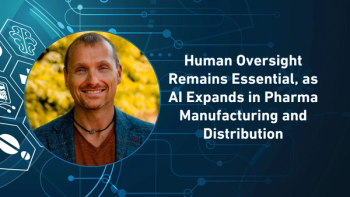
In the third part of his Pharma Commerce video interview, Joe Hudicka, entrepreneur and supply chain expert, explains why independent verification, validation, and human decision-making must stay central, as AI accelerates data processing and operational workflows across pharma supply chains.
Advertisement
Advertisement
Trending on Pharmaceutical Commerce
1
Designing Patient Hubs Purpose-Built for Cell and Gene Therapies
2
The Broken Business Model Driving America’s Pharmacy Deserts
3
FTC–Express Scripts Settlement Targets PBM Rebates, Transparency, and Patient Drug Costs
4
Lasix ONYU Gains Major Distributor Access Through Cardinal Health and Cencora
5