Conference Coverage
about 2 months ago
Trade & Channel Strategies 2025: Waiting, Watching, and Reshoring2 months ago
The Future of Pharma LogisticsLatest Content
Feb 13, 2026 | News
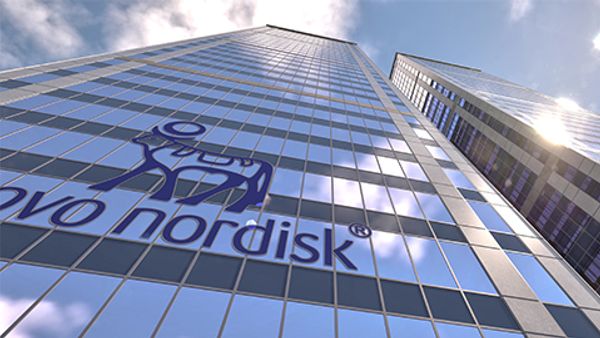
Novo Nordisk Signals Future Wegovy Vial Launch
AI "Demand Sensing" and Integrated Data Systems Drive Early Wins in Pharmacy Shortage Forecasting
Feb 13, 2026
Pharma Pulse: Big Medicine Breakups and the Tariff Scramble
Feb 13, 2026

Pharma Companies Left Out of Trump Drug Pricing Deals Seek Path to Avoid Tariffs
Feb 12, 2026
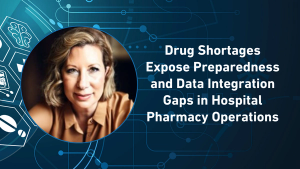
Drug Shortages Expose Preparedness and Data Integration Gaps in Hospital Pharmacy Operations
Feb 12, 2026







Advertisement
Shorts
0:50
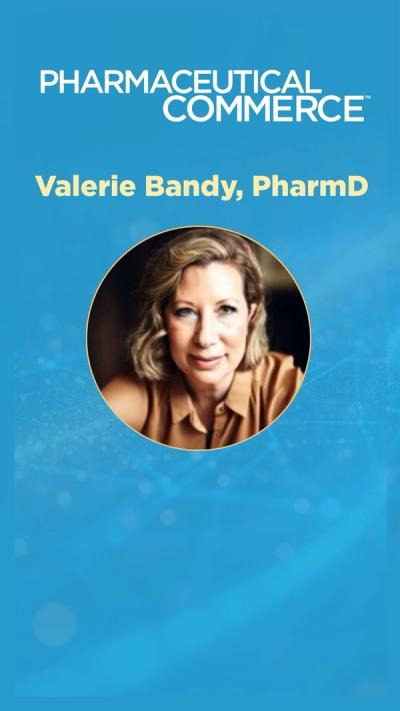
The Shocking Lack of Preparedness in Modern Hospitals
3 days ago
by
Valerie Bandy, PharmD(+1 more)
3:13
Penny for Your Thoughts - Episode 1
5 days ago
by
Christopher Cole
0:49
A PC Synopsis
9 days ago
by
Nicholas Saraceno, Senior Editor
1:33
PC Poetry Corner
10 days ago
by
Nicholas Saraceno, Senior Editor
0:35
How Small Companies Use AI to Topple Giants
10 days ago
by
Nicholas Saraceno, Senior Editor(+1 more)

0:41
Trust Is the Real Roadblock for Decentralized Pharma Networks
15 days ago
by
Nicholas Saraceno, Senior Editor(+1 more)
0:45
Why Your Competitors Are Beating You to the Punch
15 days ago
by
Nicholas Saraceno, Senior Editor(+1 more)

0:50
How AI is Revolutionizing Pharmaceutical Supply Chains
22 days ago
by
Nicholas Saraceno, Senior Editor(+1 more)
0:58
The Challenge in Picking the Right Insurance Plan
23 days ago
by
Nicholas Saraceno, Senior Editor(+1 more)
1:05
Highlights from Day 4 at JPM Healthcare 2026
a month ago
by
Christopher Cole
Pharmaceutical Commerce - February 2026
Click here to read the articles and view the interactive digital edition
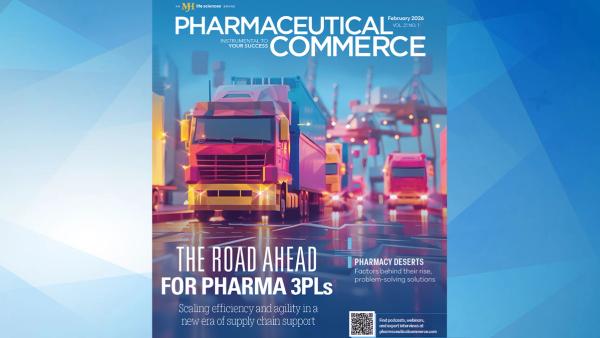
Inside the Shifting Role of Pharma 3PLs: Resilience, Regulation, and the Road Ahead
Sector leaders explore how third-party logistics providers are adapting to advanced therapies, tighter regulations, digital transformation, and expanding cold chain demands.

The Broken Business Model Driving America’s Pharmacy Deserts
Community pharmacies are being squeezed out of local markets, creating pharmacy deserts that raise costs, reduce access, and strain the healthcare system.

Designing Patient Hubs Purpose-Built for Cell and Gene Therapies
These hubs can streamline access, reduce friction across reimbursement and logistics, and improve outcomes, as the CGT pipeline expands and patient demand accelerates.

Podcasts
All News
Advertisement
Advertisement
In today’s Pharma Pulse, the FDA issues a rare “Refusal-to-File" for Moderna’s influenza vaccine, while new research confirms GLP-1s act as potent tools against chronic inflammation.
The retailer is now accepting NovoCare savings programs for Wegovy and Ozempic, offering introductory discounts and adding access to oral Wegovy.
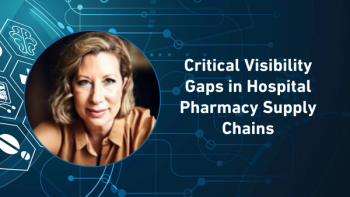
In the first part of her Pharma Commerce video interview, Valerie Bandy, PharmD, Tecsys’ vice president of pharmacy solutions, explains why health systems lack real-time pharmacy inventory visibility, driving reactive decisions, higher costs, and increased vulnerability to shortages and disruptions.
In today’s Pharma Pulse, the American College of Physicians issues a formal rejection of the term "provider," while Takeda partners with Iambic Therapeutics to accelerate small-molecule discovery through AI.

Sector leaders explore how third-party logistics providers are adapting to advanced therapies, tighter regulations, digital transformation, and expanding cold chain demands.

Rising recalls, tighter FDA enforcement, global supply chain dependencies, and rapid technology shifts are reshaping pharmaceutical quality and compliance—forcing manufacturers to rethink oversight, resilience, and continuous improvement across operations.

As policy pressure, tariffs, and supply chain risks push drugmakers to expand US-based production, this FAQ explains what pharma reshoring is, why it’s accelerating, which companies are investing, and how the shift could reshape reliability, regulation, and patient access.
In today’s Pharma Pulse, a telehealth giant retreats from the weight loss pill conflict, while safety-net hospitals secure a major legal victory against 340B reform.

Community pharmacies are being squeezed out of local markets, creating pharmacy deserts that raise costs, reduce access, and strain the healthcare system.
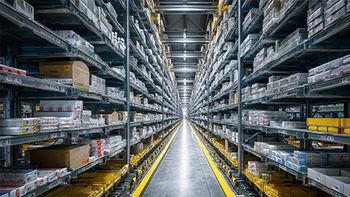
SQ Innovation’s at-home furosemide injection for heart failure–related edema is now available through two of the Big Three drug wholesalers and covered under a Medicaid rebate agreement, expanding access for hospitals, pharmacies, and eligible patients.
Advertisement

These hubs can streamline access, reduce friction across reimbursement and logistics, and improve outcomes, as the CGT pipeline expands and patient demand accelerates.

TrumpRx is meant to reduce drug costs, but Americans are wondering how it works and what impact it will have.
In today’s Pharma Pulse, TrumpRx officially goes live, while Novo Nordisk prepares to take the oral version of Wegovy to the biggest stage in advertising.

What 2025 means for the life sciences sector in the New Year.

The new platform offers coupon-driven discounts on dozens of high-cost brand name drugs, while raising new questions about eligibility, access, and how savings are applied.
Advertisement
Advertisement
Trending on Pharmaceutical Commerce
1
Novo Nordisk Signals Future Wegovy Vial Launch
2
Pharma Pulse: Big Medicine Breakups and the Tariff Scramble
3
Drug Shortages Expose Preparedness and Data Integration Gaps in Hospital Pharmacy Operations
4
AI "Demand Sensing" and Integrated Data Systems Drive Early Wins in Pharmacy Shortage Forecasting
5