
Conference Coverage
about 1 hour ago
FAQ: How Is AI Being Deployed in Pharma Supply Chains?about 3 hours ago
How AI Agents Speed Quality Decisions After a Cold Chain ExcursionLatest Content
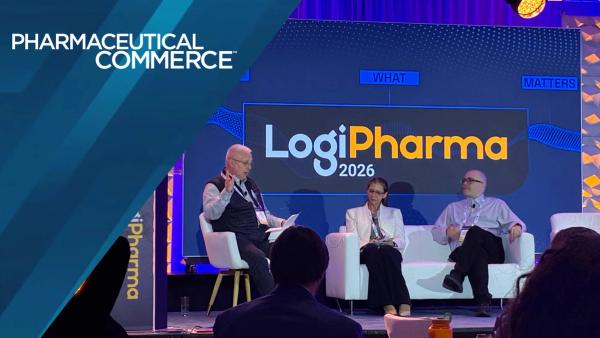
Oct 19, 2026 | News
FAQ: How Is AI Being Deployed in Pharma Supply Chains?

How AI Agents Speed Quality Decisions After a Cold Chain Excursion
Oct 19, 2026
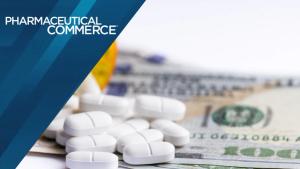
Epic, Amazon, Cost Plus Announce Point-of-Care Cash Price Tool
Oct 16, 2026
Predicting Excursions and Right-Sizing Shippers: Two Paths to a Leaner Cold Chain
Oct 16, 2026

BioPharma Supply Chains of the Future: What to Know About Localization
Oct 16, 2026



Advertisement
Shorts
0:54
From Predicting Risk to Automating Intervention: The AI Shift to Watch in 2027
37 minutes ago
by
Vijay Paliwal
0:38
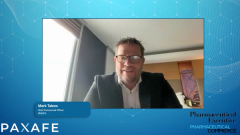
PAXAFE’s Mark Talens on Why 2027 Is the Year Pharma Trusts AI in GxP Environments
3 days ago
by
Mark Talens

0:59
Why the “People Supply Chain” Is a 2027 Risk for Pharma
4 days ago
by
Nitin Jayakrishnan
1:09
Drug Price Cuts Are Challenging Supply Chain Economics Heading Into 2027
5 days ago
by
Matthew Sample
0:57
Why Lane Risk Assessments Are Moving Beyond Historical Audits
6 days ago
by
Henry Ames
0:47
Why Resilience Is the Throughline for 2027 Supply Chain Planning
10 days ago
by
Danny Williams
0:52
Kevin Cook: What to Watch In 2027
11 days ago
by
Kevin Cook
0:29
One Supply Chain Trend to Watch In 2027
13 days ago
by
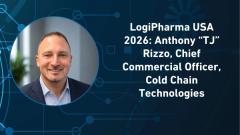
Anthony "TJ" Rizzo

0:41
AI Spoofing: A Supply Chain Risk for 2027
14 days ago
by
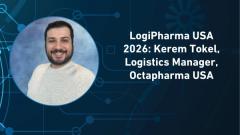
Kerem Tokel
0:52
How IRA Negotiation, Tariffs and MFN Converge on Drug Prices
20 days ago
by
Thani Jambulingam, PhD(+1 more)
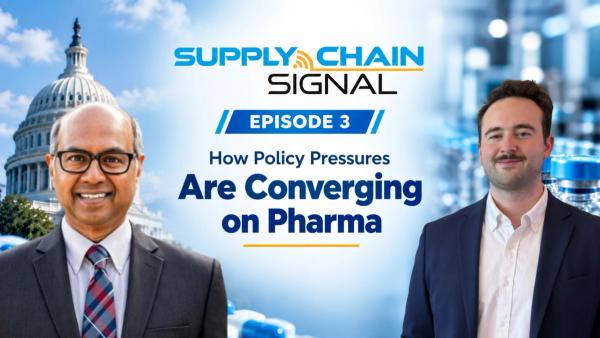
Supply Chain Signal: How Policy Pressures Are Converging on Pharma
Episode 3 of Supply Chain Signal examines the Aug. 31 MFN agreements with nine mid-size manufacturers, the GENEROUS Medicaid model and whether pricing, trade and manufacturing policy now add up to a new pharma operating model.
Why Temperature Control Is Now Pharma’s Make-or-Break Variable
Temperature excursions cost pharma an estimated $35 billion a year as biologics, GLP-1s and cell and gene therapies raise cold chain stakes.
EU Pharma Reform: Strategic Implications for US Drugmakers
The EU's pharma reform makes market protection more conditional. Here is how US drugmakers, especially startups, can adapt and use IP to complement it.
How the GLP-1 Boom Stress-Tests the Pharma Cold Chain
GLP-1 demand is straining pharma cold chain capacity, from tighter temperature thresholds and rising load rejections to fuel costs and trailer backlogs.

Podcasts
All News
Advertisement
Advertisement
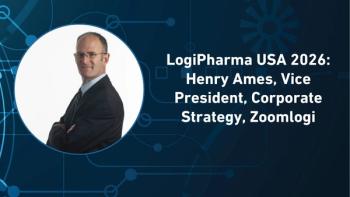
Zoomlogi’s Henry Ames says exception handling still hinges on experienced staff, and AI agents could gather and document details for their judgment calls.
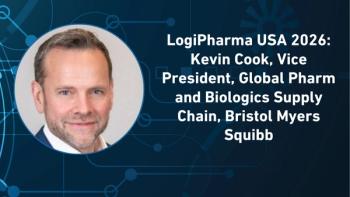
At LogiPharma USA 2026, BMS’s Kevin Cook explains why CMO partnerships must move beyond transactions toward shared goals and KPIs.

In this week's Pharma Pulse, DHL adds six dedicated cold chain air corridors linking Europe and North America to Asia, Walmart rolls out a $0 prescription tier and rare disease Center of Excellence for its US workforce and FDA launches its Rare Disease Framework Initiative.

GEODIS' David Frouin explains why quick packaging qualification, backups on every lane and actionable IoT data underpin cold chain resilience.

Cencora's Matt Sample explains how AI compares forecasts with ordering patterns to flag pharma demand shifts early, with 10% forecasting gains.
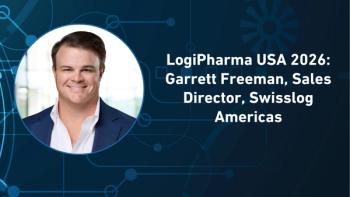
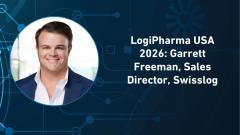
At LogiPharma USA 2026, Swisslog's Garrett Freeman explains why validation, change management and stakeholder alignment now drive automation projects.
Zoomlogi's Henry Ames explains how AI agents are resolving supply chain exceptions, from unlinked IoT trackers to after-hours escalation calls.
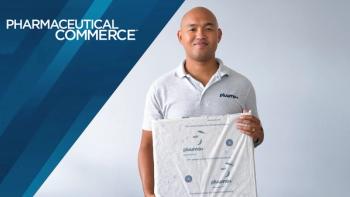
Aeropowder will begin U.S. production of its recycled-feather PluumoPlus insulation in Q1 2027 through a manufacturing deal with ColdCorr.

As organized groups add impersonation and email fraud to hijackings and trailer thefts, every handoff between shipping partners has become a point of exposure.
Octapharma USA's Kerem Tokel explains how product value and supply risk should shape freight security, and why complacency remains a persistent gap.
Advertisement
At LogiPharma USA 2026, Cold Chain Technologies' Vijay Paliwal explains how manufacturers should choose between reusable, single-use and active packaging.
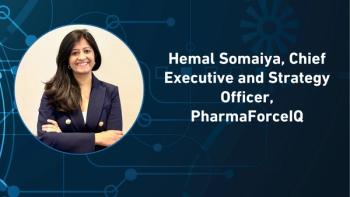
As HCPs turn to AI tools for clinical answers, pharma brands must optimize for share of answer over share of voice and speed up data operations.
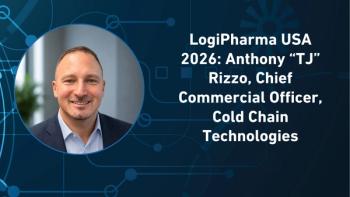
At LogiPharma USA 2026, Cold Chain Technologies' TJ Rizzo explains how gaps in end-to-end cold chain expertise create risk for advanced therapies.
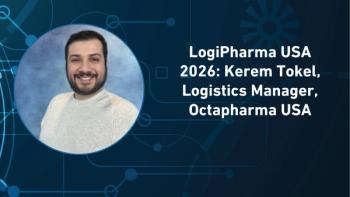
Octapharma USA's Kerem Tokel explains how tariffs and DSCSA are affecting how stolen pharma loads are resold, and why partner SOPs matter.

At LogiPharma USA 2026, Mark Talens explains where pharma gains the most from shared distribution visibility.
Advertisement
Advertisement
Trending on Pharmaceutical Commerce
1
Epic, Amazon, Cost Plus Announce Point-of-Care Cash Price Tool
2
BioPharma Supply Chains of the Future: What to Know About Localization
3
Predicting Excursions and Right-Sizing Shippers: Two Paths to a Leaner Cold Chain
4
FAQ: How Is AI Being Deployed in Pharma Supply Chains?
5