
The CDMO’s boost in production will be centered around pharmaceutical products.
Nicholas Saraceno is Editor of Pharmaceutical Commerce. He can be reached at nsaraceno@mjhlifesciences.com.
The CDMO’s boost in production will be centered around pharmaceutical products.

There is no doubt that drug shortages are a detriment to the pharma supply chain, but how commonplace were they during the COVID era?

The move features the launch of an innovation center revolving around cell and gene services.

The company adds a top-10 CDMO to its portfolio in the process, while also expanding its commitment to the pharma industry.

The deal further grows the Big Pharma company’s US production capabilities, especially when it comes to global parenteral products.

In an interview with Pharma Commerce Editor Nicholas Saraceno, Will Robinson, Commercial Director, LogiPharma, talks themes of this year's event and future plans for the show.
In an interview with Pharma Commerce Editor Nicholas Saraceno, Will Robinson, Commercial Director, LogiPharma, discusses the process of keeping the event relevant to the times.

In an interview with Pharma Commerce Editor Nicholas Saraceno, Niklas Adamsson, COO, Envirotainer, suggests how to improve visibility and risk management for cold chain shipping.
In an interview with Pharma Commerce Editor Nicholas Saraceno, Niklas Adamsson, COO, Envirotainer, offers his thoughts on how changing customer needs are affecting cold chain logistics.
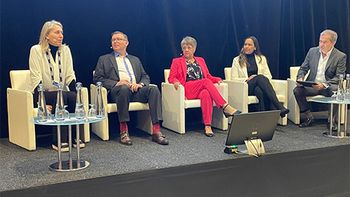
Panel discussion addresses how DE&I can successfully tackle systemic biases and more.
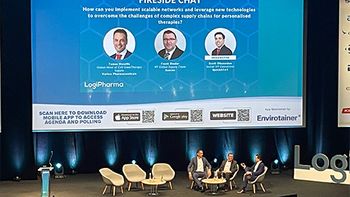
Session addresses the challenges of implementing autologous/allogeneic cell gene therapies into scalable networks.

A panel uncovers the value in meeting carbon-neutral goals by 2030.
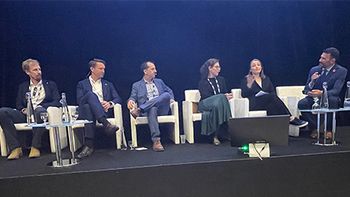
Panel discussion uncovers how to alter one’s digital know-how for use in temperature-controlled supply chain.
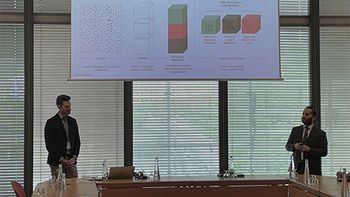
Masterclass session addresses looking beyond a dashboard by added capabilities with added value.

A difference-in-differences analysis explores the correlation between direct-acting antiviral prescriptions for hepatitis C virus and the softening of state-level limitations.
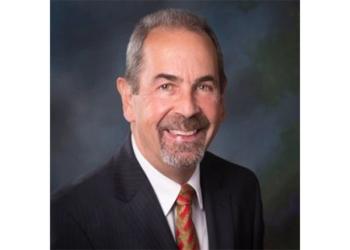
Allen Jacques explains the history behind medications’ lack of supply, while offering ways to help alleviate their impact.

A cohort study digs into whether there is an improvement in overall survival or quality of life within five years of the FDA granting accelerated approval to oncology drugs.
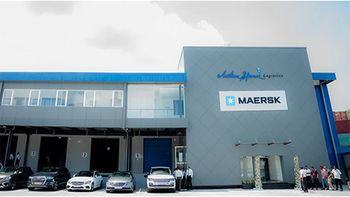
Wattala warehouse is expected to offer both export consolidation and 3PL services for trade routes that link Africa, Asia, and Europe.
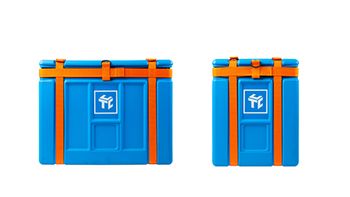
The collaboration strengthens the capabilities of Tower’s advanced passive temperature-controlled containers.

The acquisition initiates a long-term agreement with Beacon Therapeutics, highlighted by clinical and commercial AAV production.

The program recognizes organizations that prioritize the highest standards of care when it comes to the handling and transportation of goods in the healthcare space.

The new products offer more temperature control and sustainability benefits.

In an interview with Pharma Commerce Editor Nicholas Saraceno, Ed Schoonveld, Value & Access Advisor, Schoonveld Advisory, offers his thoughts on lower drug prices in the US and provides a sneak peak into future PC features.

The program intends to address pharmacy deserts, which are predominantly found in underserved communities.

The first commercial shipments are scheduled for mid-April.
In an interview with Pharma Commerce Editor Nicholas Saraceno, Ed Schoonveld, Value and Access Advisor, Schoonveld Advisory and author of The Price of Global Health, explains why pharmaceutical products tend to cost more in the US than the rest of the world.

Year-on-year growth in demand is strong, according to the IATA.
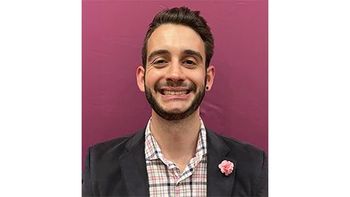
We'll be back in Lyon, France, this month to capture the latest insights and advances in pharma logistics—as leaders seek to build the supply chains of the future.
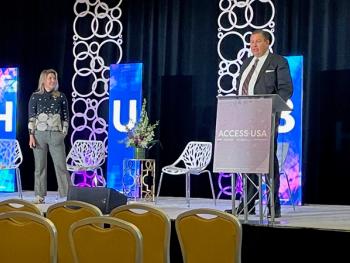
Pharma Commerce makes a return trip to Philly for insights on the latest approaches in patient assistance and adherence.

Cohort study examines the potential for spending to significantly decrease for individuals who use these generic versions of biologics.