


Manufacturing & Packaging
Latest News
Advertisement
Latest Videos


Podcasts
Advertisement
More News

The investment will establish a new hub overseeing contract manufacturing across India and expand Lilly’s global supply of medicines for Alzheimer’s, diabetes, obesity, and cancer, amid shifting US trade and tariff policies.
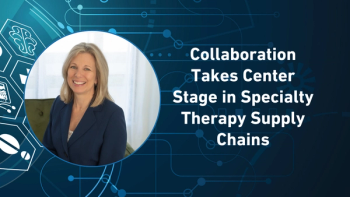
Ammie McAsey, SVP of Supply Chain Operations, McKesson, emphasizes the critical role of collaboration, technology, and partnerships in ensuring advanced and specialty therapies reach patients safely and effectively.
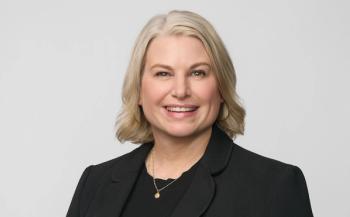
Cencora executive Heather Zenk discusses how innovations in cold chain, data visibility, and sustainability strategies are transforming the drug delivery process.
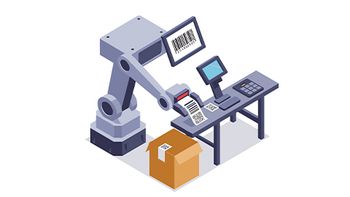
A new report underscores how 2D barcodes and automated data capture powered by GS1 standards can help logistics and life sciences companies overcome outdated systems, labeling issues, and visibility gaps.

As the sentiment of surveyed dangerous goods experts backs up, updated packaging pursuits can boost efficiency and cut costs—while mitigating the environmental impact.
This episode of Pharma Pulse covers the FDA’s quiet approval of the first generic mifepristone tablet, Takeda’s decision to discontinue cell therapy research programs, and SciSafe’s expansion of biopharma storage capacity with a new East Brunswick, New Jersey facility.
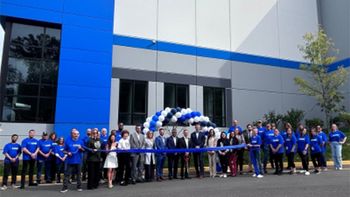
The new 5-million-cubic-foot biorepository enhances cold chain logistics, expands biopharma storage capacity, and strengthens New Jersey’s position as a life sciences hub.
Dave Malenfant, healthcare supply chain expert, reflects on LogiPharma USA’s 20-year evolution, noting its shift toward greater diversity and inclusion, particularly with more women entering the industry.
Following Congress’ failure to pass funding measures, FDA announced it will continue only essential public health and safety functions. This amid a pause on imposing 100% tariff rates.
Dave Malenfant, healthcare supply chain expert, shares his excitement about the strong turnout at LogiPharma USA, noting a packed master class and his role as chair of the “people” track—a personal passion.
Dave Malenfant, healthcare supply chain expert, discusses the ramifications of a 100% tariff on branded and patented drugs entering the US.

Christy Christian, senior industry principal with Kinaxis, and Hari Kiran Chereddi, CEO of HRV Pharma, explain why AI’s reliability depends on product stability, how human judgment still matters, and how a digital, AI-validated manufacturing backbone is accelerating regulatory reviews, strengthening supplier management, and transforming global production readiness.
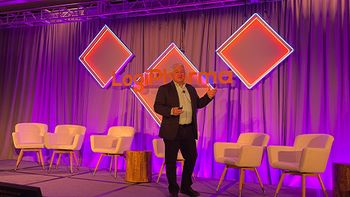
Bayer’s Luiz Barberini highlights how artificial intelligence is transforming supply chain operations, while emphasizing the irreplaceable value of trust, transparency, and human relationships.

Supply chain leaders share strategies to address persistent drug shortages, highlighting vulnerabilities, manufacturing complexities, and the importance of cross-industry collaboration.
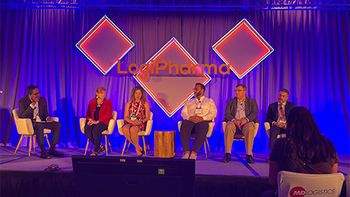
At the conference’s milestone 20th anniversary event in Boston, experts unpacked the final stages of DSCSA implementation, highlighting pharmacy compliance challenges, state-level variability, and the role of technology in securing the pharmaceutical supply chain.
This episode of Pharma Pulse covers new data showing measles vaccine coverage remains below herd immunity thresholds, the FDA’s approval of guselkumab for pediatric plaque psoriasis and psoriatic arthritis, and AbbVie breaking ground on a new API manufacturing site in Illinois.
This episode of Pharma Pulse covers the Trump administration’s 100% tariff on branded drug imports, new research linking pediatric influenza to neurological complications amid vaccination gaps, and AbbVie’s FDA submission for tavapadon, a potential new treatment for Parkinson’s disease.

Beginning Oct. 1, the US will impose a 100% tariff on branded and patented pharmaceutical imports unless manufacturers are actively building domestic production facilities, a move aimed at reshoring drug manufacturing.
This episode of Pharma Pulse covers the CDC’s unanimous vote to broaden COVID-19 vaccine recommendations for all adults, new data showing the Medicare Part D Senior Savings Model lowers insulin costs and improves care, and Eli Lilly’s investment in a new Houston manufacturing facility to support its fast-growing pipeline.
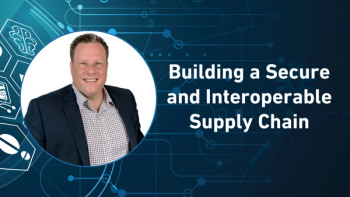
Ullrich Mayeski, community engagement director of health with GS1 US, outlines how manufacturers, distributors, and dispensers can strengthen end-to-end traceability.
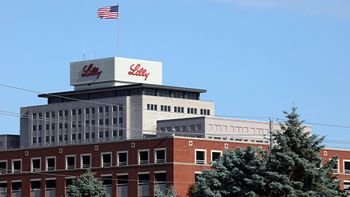
The Generation Park site will create over 600 permanent jobs, support advanced small molecule production, and play a role in scaling orforglipron, Lilly’s first oral GLP-1 receptor agonist for obesity.
This episode of Pharma Pulse covers the FDA’s review of a possible link between prenatal acetaminophen use and autism, GSK’s supplemental new drug application to update leucovorin labeling, and Celltrion’s acquisition of an Eli Lilly production facility to expand biologics manufacturing capacity.
The South Korean pharma company’s US subsidiary is purchasing Eli Lilly’s Branchburg, NJ site to safeguard against potential tariffs. strengthen domestic production, and expands its biosimilar footprint.
This episode of Pharma Pulse covers the former CDC director’s claim she was dismissed for refusing to prioritize ideology over evidence, new findings that physician mental health remains a serious concern, and Eli Lilly’s $5 billion investment in a new Virginia manufacturing plant to expand biologics production.
The new Goochland County facility will serve as Lilly’s first fully integrated API and drug product site, focusing on antibody-drug conjugates, while creating thousands of jobs and strengthening domestic supply chains.
Advertisement
Advertisement