



Patient Support
Latest News
Advertisement
Latest Videos

Advertisement
More News
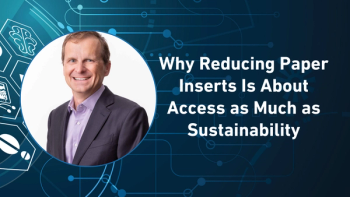
In the second part of his Pharma Commerce video interview, Diogo Rau, executive vice president and chief information and digital officer for Eli Lilly and Company, highlights that cutting down on the 90 billion sheets of paper used for medicine inserts each year isn’t just an environmental win—it’s also a critical step toward making drug information more accessible for patients with vision challenges, language barriers, or cognitive and physical disabilities.
This episode of Pharma Pulse covers the FDA’s approval of Sanofi’s Wayrilz for chronic immune thrombocytopenia, evidence that prescription-to-OTC switches of triptans improve migraine care access, and new FDA guidance waiving clinical efficacy studies for most monoclonal antibody biosimilars.
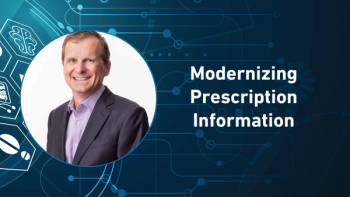
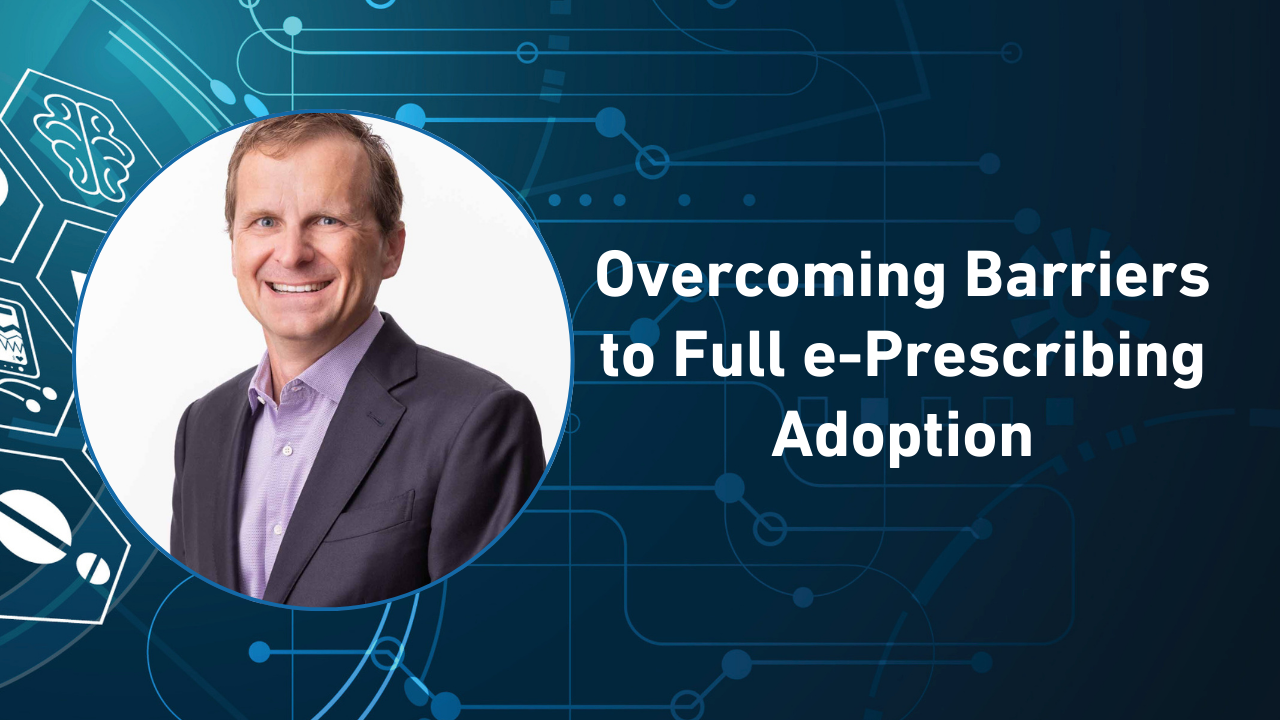
In the first part of his Pharma Commerce video interview, Diogo Rau, executive vice president and chief information and digital officer for Eli Lilly and Company, explains how the Prescription Information Modernization Act of 2025 aims to replace package inserts with digital-first documentation, providing patients with better access to understandable medication guidance in the process.
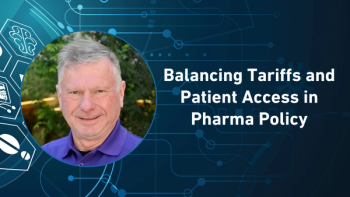
In the final part of his Pharma Commerce video interview, Dave Malenfant, a healthcare supply chain expert, emphasizes that patient access must remain the top priority, even amid steep tariffs, citing cases like orphan drugs and oncology treatments where government flexibility is essential.

As of today, Aug. 27, wholesale distributors must fully comply with the Drug Supply Chain Security Act’s enhanced drug distribution requirements, closing the FDA’s exemption period and advancing efforts to strengthen patient safety and supply chain integrity.

The merger integrates EVERSANA’s commercialization services with Waltz Health’s AI-powered payer tools to address patient affordability, streamline drug access, and reduce costs for high-expense therapies such as GLP-1s.
This episode of Pharma Pulse covers Novo Nordisk’s FDA win for Wegovy in MASH-related liver fibrosis, new research on a promising drug combination against resistant influenza strains, and how community pharmacies are strengthening healthcare access in underserved areas.
This episode of Pharma Pulse covers a new collaboration to expand access to GLP-1 therapies via LillyDirect, Pfizer’s Phase III miss in sickle cell disease, and how patient portals are improving access to care while creating new workload challenges for providers.

The integration aims to simplify access to Zepbound for eligible members while providing comprehensive, whole-person care to support safe use, adherence, and management of related chronic health needs.
This episode of Pharma Pulse explores AbbVie’s $195 million investment to expand US API production, new survey results showing mail-order and supermarket pharmacies outpacing traditional chains in customer satisfaction, and rising affordability pressures as insurers restrict GLP-1 coverage.
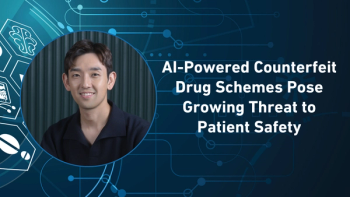
In the first part of his Pharma Commerce video interview, Mark Lee, MarqVision’s founder and CEO, warns that counterfeiters are using generative AI to clone pharmaceutical packaging, build convincing fake websites, and manipulate search results. rapidly outpacing enforcement efforts and putting patients at serious risk.

As pharma drug pricing debates heat up, the 340B program faces mounting challenges from outdated regulations, duplicate discounts, and limited transparency.
In the first part of his Pharma Commerce video interview, Dave Malenfant, a healthcare supply chain expert, explains how steep pharmaceutical import tariffs might affect costs at different points in the supply chain, why component pricing poses a bigger risk than active ingredients, and how insurers, distributors, and manufacturers may negotiate to shield patients from price increases.

Conversation with chief tech expert explores AI’s rise in the support space—and separating the substance from the noise.

Health systems across the United States are opening large-scale pharmacy service centers to streamline operations, improve inventory control, and ensure timely medication delivery amid drug shortages and rising costs.

Why it’s time to act on passing key bills to boost access for millions.
In the final part of his Pharma Commerce video interview, Philip Sclafani, PwC's pharmaceutical and life sciences lead, discusses operational and pricing strategies pharma executives can adopt to navigate sustained cost inflation, including supply chain optimization, payer collaboration, and value-based approaches to ensure patient access and affordability.

The GSK Flovent example highlights the consequences for patients and pharma of the decision to eliminate the Medicaid rebate cap.
This episode of Pharma Pulse examines how in-store pharmacies are evolving beyond prescriptions to deliver clinical services, nutrition support, and real-time education, bridging care gaps in pharmacy deserts across the United States.

With 14 new lawsuits filed and 132 total complaints across 40 states, Novo Nordisk is intensifying efforts to protect patients from unapproved compounded semaglutide products by targeting pharmacies, telehealth providers, and deceptive marketing practices that compromise safety, mislead consumers, and violate FDA regulations.

The online weight loss company launches a $119 starter plan using low-dose semaglutide and behavioral coaching to improve access, reduce side effects, and support sustainable weight loss.

Amid the growing crisis of pharmacy deserts, these entities are tapping new avenues in care delivery, including the integration of clinical services, nutrition counseling, and real-time patient education.

A JAMA Network Open study reveals that patients with private insurance can face monthly costs nearing $600 after a cancer diagnosis, highlighting the disparities based on cancer stage and calling for stronger financial support policies.

These innovations are revolutionizing pharmaceutical packaging by enhancing drug safety, combating counterfeiting, ensuring regulatory compliance, and improving patient adherence across the supply chain.

The acquisition merges eBlu’s automation platform with Knipper’s nationwide distribution network, streamlining benefit verification, prior authorization, and patient onboarding while reducing administrative burdens for specialty providers.
Advertisement
Advertisement
Trending on Pharmaceutical Commerce
1
How Rebate Timing Distorts a Pharmacy's 340B Books
2
EU Pharma Reform: Strategic Implications for US Drugmakers
3
White House Extends MFN Pricing to Every State Medicaid Program
4
Pharma Pulse: Behind the Scenes of LogiPharma USA 2026
5