



Patient Support
Latest News
Advertisement
Latest Videos








Podcasts


Advertisement
More News

In the first part of his Pharma Commerce video interview, Alan Balch, PhD, CEO of the Patient Advocate Foundation and the National Patient Advocate Foundation, explains how mounting financial pressure is forcing patients to ration care, undermining treatment adherence and accelerating downstream clinical and economic risk.

Novo Nordisk’s newly approved oral semaglutide is now available nationwide through Amazon Pharmacy with insurance and cash-pay options.
In today’s Pharma Pulse, healthcare leaders brace for a surge in dealmaking, Eli Lilly secures a suite of oral NLRP3 inhibitors, and Knipper Health rebrands to streamline the path from order to therapy.

Backed by Frazier Healthcare Partners and strengthened by the acquisition of eBlu Solutions, CareTria aims to accelerate patient access by combining provider technology, digital enrollment, and multi-modal fulfillment into a single end-to-end platform.
Pharma Pulse: Pediatric Vaccine Revisions, COPD Mortality Trends, and Eli Lilly’s $1.3B Obesity Deal
In today’s Pharma Pulse, federal officials slash the childhood immunization schedule, new data underscores the life-saving impact of COVID vaccines for COPD patients, and Eli Lilly targets the AMPK pathway in a massive new oral obesity collaboration.
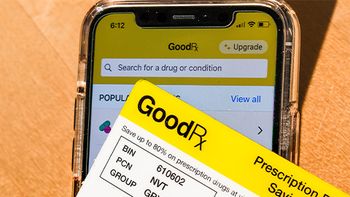
The healthcare pricing platform is expanding access to Novo Nordisk’s newly approved oral GLP-1 for weight management, pairing transparent cash pricing with telehealth support nationwide.
In today’s Pharma Pulse, the Senate advances legislation to block "biotechnology companies of concern," clinical research ties COVID-19 to REM-dominant sleep apnea, and a new analysis reveals an affordability breaking point for employer-sponsored health insurance.

CoverMyMeds’ Megan Wetzel unpacks the forces behind rising specialty spend, the real impact of access barriers, and how field reimbursement teams help providers guide patients through today’s fragmented system.

It’s not marketing—it's the activation layer for every dollar spent on patient access and support.

Rising prescription costs and premiums are forcing more than half of patients to take drastic measures to cover OOP costs.
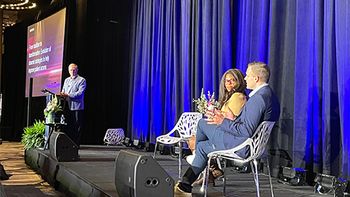
Subject matter experts from Cencora and FuzeRx explore how modern commercialization models, digital-first pharmacy solutions, and closer provider partnerships are reshaping patient access and adherence across today’s complex therapeutic landscape.
In the final part of his Pharma Commerce video interview, Colin Banas, MD, DrFirst’s chief medical officer, explains how amid soaring patient and provider frustration, new HTI-4 standards are rapidly forcing change across the insurance and technology sectors to solve the current "transparency problem," making the status of a life-saving prescription as clear and actionable as tracking a takeout order.
In today’s Pharma Pulse, Dr. Richard Pazdur retires from his CDER director role weeks after his appointment, and much more.

Analysis determines that emotional barriers, knowledge gaps, and skills deficits are far more disruptive to starting and staying on therapy than commonly perceived financial obstacles.

In the first part of his Pharma Commerce video interview, Colin Banas, MD, DrFirst’s chief medical officer, explains that with updated certification requirements for drug pricing transparency and electronic prior authorization, providers will see momentum build toward more efficient, patient-focused medication workflows.

When intelligence flows across clinical, access, and engagement channels, commercialization shifts from reactive to predictive, giving teams the real-time edge to win in a fast-moving market.
In today’s Pharma Pulse, we dissect the resource drain of new pilot programs, the growing concerns over global supply chain dependency, and the simple tech intervention improving glycemic control.
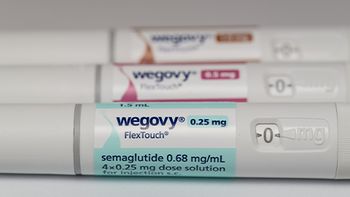
The company is launching new self-pay pricing options, expanded savings programs, and partnerships with telehealth and retail providers. all while its obesity portfolio gains momentum under the FDA’s National Priority Voucher program.
A review of COVID-19 vaccine access inequities, emerging cardioprotective data for semaglutide, and Experity’s integration with Amazon Pharmacy highlights the shifting dynamics of patient access, clinical innovation, and digital-first care delivery in today’s Pharma Pulse.
In fourth part of his Pharma Commerce video interview, Faisal Khan, a GRC solutions expert with Vanta, explains how tools like Vanta offer real-time visibility, safeguard patient data, and help prevent costly violations before they occur.

A new partnership integrates Amazon Pharmacy into Experity’s urgent care platform, enabling in-clinic prescription ordering, faster fulfillment, and improved treatment adherence through streamlined digital workflows.
This episode of Pharma Pulse discusses how the FDA’s new plausible mechanism pathway, WeightWatchers’ plans to offer oral Wegovy, and emerging evidence on berberine are shaping the future of obesity and metabolic health care.
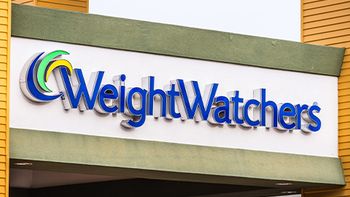
As FDA fast-tracks GLP-1 treatments under its new pilot National Priority Voucher program, WeightWatchers prepares to position itself to compete in the fast-evolving weight-loss drug market driven by affordability and accessibility.

The addition of Starjemza reinforces Mark Cuban Cost Plus Drugs' effort to expand access to affordable specialty medicines through its transparent cost-plus pricing model, while also enhancing patient support via a new partnership with Medchat.ai.
In the final part of her Pharma Commerce video interview, Jen Butler, CCO at Pleio, emphasizes that as digital tools become central to patient support, there is value to balancing technology with empathy.
Advertisement
Advertisement
Trending on Pharmaceutical Commerce
1
Pharma Pulse: Cencora to Acquire AON, Amazon and Google Back ePA Expansion
2
Inside the 340B Rebate Pilot Standoff: Court, Congress, Drugmakers
3
LogiPharma 2026: CSafe on Right-Sizing Bulk Air Cargo Protection
4
How Pharma Automation Cuts Human Touches and Error Risk
5