Patient Support
Latest News
Advertisement
Latest Videos

Advertisement
More News
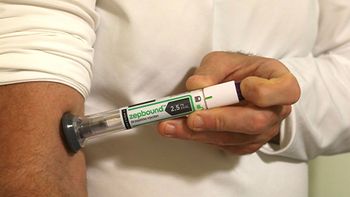
The telehealth company is offering Lilly’s branded form of tirzepatide—approved for weight loss—on its site for $1,899 a month, while Lilly also sells the GLP-1 via its LillyDirect platform.
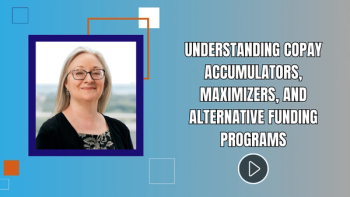
In the first part of her video interview with Pharma Commerce Editor Nicholas Saraceno, Kimberly Westrich, chief strategy officer at the National Pharmaceutical Council, lays out the basics surrounding accumulators, maximizers, and AFPs.
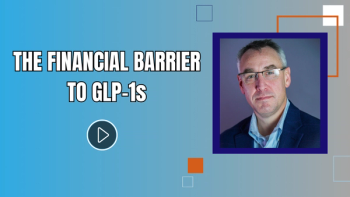
In the first part of his video interview with Pharma Commerce Editor Nicholas Saraceno, Colin Banas, MD, DrFirst’s chief medical officer, discusses the challenges that many Americans face regarding the affordability of GLP-1 drugs.
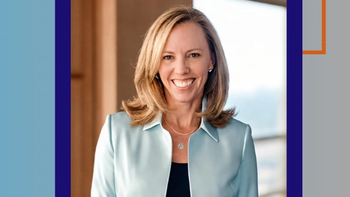
Jen Butler, chief commercial officer, Pleio, discusses the importance of balancing technology and personalization in patient support.

Renier Brentjens, MD, PhD outlines the evolution of the space, while offering ways to boost patient access to these treatments.
Jen Butler, chief commercial officer, Pleio, discusses how personalization, connectivity, technology, and proactive support are working to evolve patient engagement strategies.
Jen Butler, chief commercial officer, Pleio, discusses the effectiveness of peer-to-patient outreach when starting specialty medications.

The tool will focus on educational resources by offering both in-person and telehealth support for individuals living in the United States.
Jen Butler, chief commercial officer, Pleio, discusses how the company’s GoodStart programs help patients navigate specialty pharmacies.
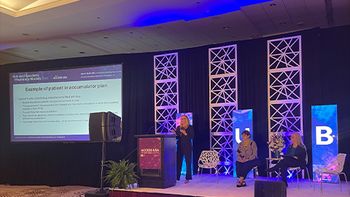
A Day 3 presentation dives into the impact of copay accumulators, maximizers, and AFPs on driving cost savings.
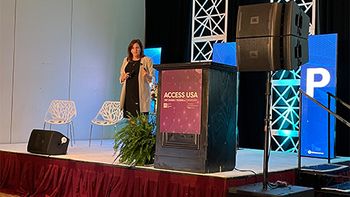
The presentation suggests ways to educate patients on the options available to them, with the hope of ultimately improving health outcomes.
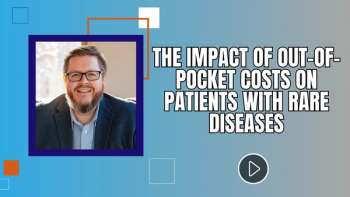
Jonathan James, CEO, Hope Charities, discusses the critical importance of maintaining access to life-saving medications for patients with rare diseases to lead productive lives.

The session provides an overview of the uninsured population, and also tackles challenges faced by patients when it comes to accessing PAPs.
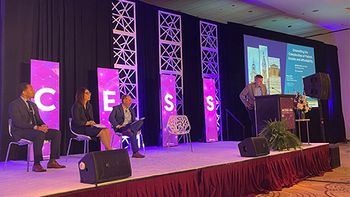
A roundtable explores how patient access needs are being measured, while also discussing the value of affordability in decision-making.
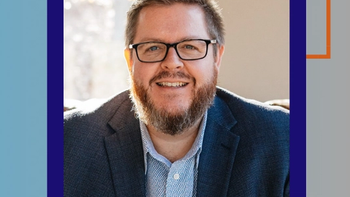
Jonathan James, CEO, Hope Charities, discusses reimbursement challenges and barriers to care in patients requiring life-saving medications.
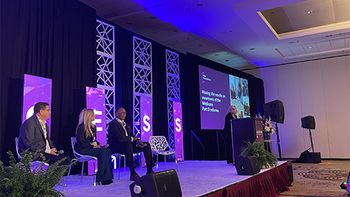
The conference’s first panel offers insight on the current state of awareness among beneficiaries of the Part D cap and Medicare Prescription Payment Plan via the PAN Foundation’s latest research.
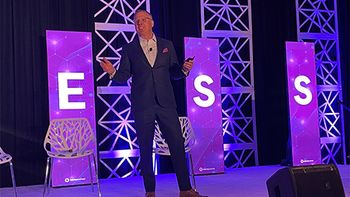
The conference’s opening session highlights the sector’s current landscape of healthcare coverage and access.
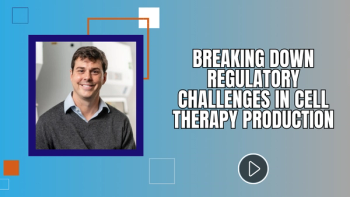
In the third part of his video interview with Pharma Commerce Editor Nicholas Saraceno, Jason C. Foster, CEO of Ori Biotech, discusses how regulatory hurdles are impacting the advancement of CGTs, along with the changes he would like to see along that front in order to accelerate patient access.

The partnership focuses on enhancing the patient experience by providing greater affordability and access to specialty meds.
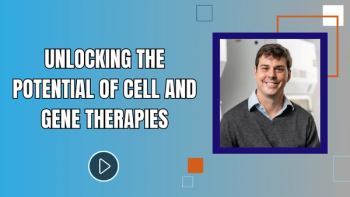
In the first part of his video interview with Pharma Commerce Editor Nicholas Saraceno, Jason C. Foster, CEO of Ori Biotech, offers his perspective on the state of CGTs, along with their potential for transforming medicine.
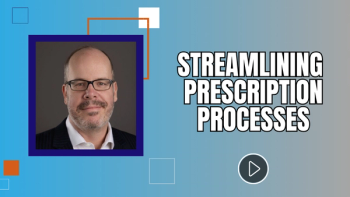
In the final part of his video interview with Pharma Commerce Editor Nicholas Saraceno, Tom Dorsett, CEO, RazorMetrics, describes how the software company’s solution can help deliver better patient outcomes and substantial savings for healthcare plans, employers, and members alike.
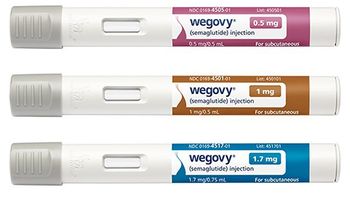
NovoCare will offer the GLP-1 injection to cash-paying patients for a discounted $499 per month.
In the final part of his video interview with Pharma Commerce Editor Nicholas Saraceno, Geoffrey Joyce, PhD, director of health policy at the Leonard D. Schaeffer Center for Health Policy & Economics at USC, describes how PBMs financially benefit from generics, and why a completely open generic market powered by cash would be beneficial.
Why meaningful content must meet the right audience.

The presidential action follows up on a 2019 final rule aimed at empowering patients and boosting competition among hospitals, group health plans, and health insurance issuers in both individual and group markets.
Advertisement
Advertisement
Trending on Pharmaceutical Commerce
1
Pharma Pulse: Cencora to Acquire AON, Amazon and Google Back ePA Expansion
2
Inside the 340B Rebate Pilot Standoff: Court, Congress, Drugmakers
3
FAQ: How Is AI Being Deployed in Pharma Supply Chains?
4
LogiPharma 2026: CSafe on Right-Sizing Bulk Air Cargo Protection
5