





Patient Support
Latest News
Advertisement
Latest Videos




Advertisement
More News

The study reveals that resilience varies significantly by race, education, income, and insurance status, highlighting the role of social determinants and systemic inequities in shaping health outcomes.

Cellular Origins, CGT Catapult, and Resolution Therapeutics partner up to design a fully automated, scalable CGT manufacturing solution, with the goal of accelerating patient access to cell therapies.

New research finds that nearly half of the racial and ethnic disparities in outpatient COVID-19 antiviral prescriptions stem from encounter-level care barriers, such as limited access to rapid tests and telehealth, which emphasizes the need for systemic and practice-level reforms.

Engaging the full workforce—from HR to R&D—can elevate launch outcomes, build trust, and create long-term brand ambassadors.

Through a strategic, non-profit agreement, Gilead will supply up to two million doses of the long-acting HIV prevention drug across 120 low- and lower-middle-income countries over the next three years.
Bruce Leuchter, CEO, Neurvati, explains why aligning drug development with patient-reported outcomes is key to demonstrating value and achieving payer alignment in the rare disease space.
Bruce Leuchter, CEO, Neurvati, discusses why patient engagement is essential to understanding rare diseases and driving the development of breakthrough therapies.

The company joins a wave of global pharma companies reshoring operations to strengthen the US supply chain and meet patient needs through domestic innovation and capacity.

As drug development increasingly targets multiple indications, pharma companies must make strategic branding decisions—balancing regulatory requirements, market dynamics, and patient safety—to choose between single-brand or multi-brand approaches.
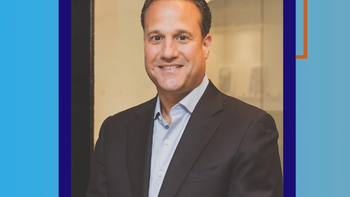
Bruce Leuchter, CEO, Neurvati, discusses the vital role of public participation in healthcare policy, highlighting how patient and caregiver insights shape drug development, regulatory decisions, and payer considerations in rare diseases.

Access to the GLP-1 will be streamlined, and starting July 1, will result in a limited-time $299 price for eligible self-pay patients.

Analysis compares care quality and efficiency within physician groups that treat Medicare Advantage patients under at-risk contracts, versus fee-for-service.

The collaborative research initiative will be focused on advancing approaches to enhance the therapeutic efficacy of regulatory T cells and tumor-infiltrating lymphocytes.

In the second part of his Pharma Commerce video interview, Mark Sawicki, PhD, Cryoport Systems’ president and CEO, explains how recent shifts in FDA leadership, funding constraints, and evolving CMC standards have each played a role in this process.

The advantages and challenges associated with structuring a patient assistance program as a non-profit foundation.

Doubling down on patient access and support fundamentals will win out over Washington’s next move.

Many uninsured and underinsured individuals remain unaware of vital financial assistance programs for prescription costs, highlighting a critical need for increased awareness and resources.

As the rising cost of prescription medications in the United States becomes an increasing barrier for millions of people, how can we effectively address and improve patient adherence?

A cross-sectional study uncovers the current and projected economic burden of Alzheimer’s disease and related dementias (ADRD) through 2060 among non-Latino African American, Latino, and non-Latino White adults.

A systematic review determines if adult patients with language barriers are less likely to use the video-based virtual care option, while exploring equity and accessibility gaps when it comes to telehealth.

In the third part of her Pharma Commerce video interview, Maggie McCullough, PolicyMap’s CEO, comments on how mobile and digital solutions can be deployed effectively to close the gap in areas identified as pharmacy deserts.

In an effort to greater prepare HCPs and to avoid potential shortages, the company targets Q3 as the shipment date.

In order to succeed in today’s outcomes-driven healthcare landscape, pharmaceutical companies must move from traditional sales models to strategic, measurable partnerships with integrated delivery networks (IDNs).

A cross-sectional study explores how full-benefit dual-eligible beneficiaries differ across MA plans with differing levels of Medicaid coordination and integration.

Direct-to-consumer and direct-to-patient models are major contributors.
Advertisement
Advertisement