Sponsored
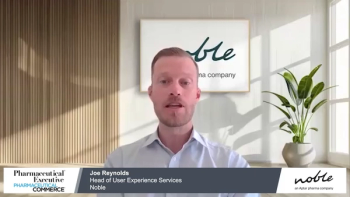
Joe Reynolds, Head of User Experience Services at Noble, breaks down what it really takes for pharmaceutical companies to move therapy from the clinic into the patient's home.
Eton Pharmaceuticals reached its long-held goal of ten rare disease commercial products, acquiring the US rights to Hemangeol, the only FDA-approved treatment for infantile hemangioma.
Eton Pharmaceuticals has successfully in-licensed the US commercialization rights for Hemangeol® (propranolol hydrochloride) oral solution from Pierre Fabre Medicament Sas.1 This strategic move marks a significant milestone for the Illinois-based company, as Hemangeol becomes the tenth commercial product in its expanding rare disease portfolio.
“As the only treatment for infantile hemangiomas that require systemic therapy, Hemangeol is a critical medication and a strong fit with Eton's orphan-focused commercial model. We look forward to expanding access to treatment by incorporating our Eton Cares patient support program, which includes our $0 commercial co-pay and best-in-class specialty distribution,” said Sean Brynjelsen, CEO of Eton.1
The transition of commercial responsibilities is scheduled for May 1, 2026. Until that date, Pierre Fabre will continue to manage U.S. commercialization and will maintain its global commercialization efforts outside of the United States indefinitely. Eton expects the transaction to be financed through cash on hand and to be accretive to its 2026 earnings.1
Eton’s strategy for Hemangeol centers on its proprietary Eton Cares™ patient support program. This program is designed to mitigate the barriers to access often associated with orphan drugs and rare disease treatments.1
Key components of the Eton Cares commercial strategy include:
The acquisition aligns with Eton's goal to build the largest rare disease portfolio in the U.S.
Approved by the FDA in 2014, Hemangeol was the first and remains the only pharmacological treatment specifically indicated for proliferating infantile hemangioma requiring systemic therapy.2 Before its approval, the standard of care relied on corticosteroids, laser therapy, or surgical intervention, all of which presented significant limitations or adverse side effects for pediatric patients.2
The active ingredient, propranolol, is a non-selective beta-blocker. It works by blocking beta-adrenergic receptors that control blood vessel growth and dilation, thereby slowing the proliferation of the tumor and encouraging gradual shrinking.2 Clinical guidelines suggest initiating treatment between five weeks and five months of age, with weight-based dosing and careful monitoring for side effects such as hypoglycemia, bradycardia, and hypotension.2
Infantile hemangiomas are non-cancerous vascular tumors that typically appear within the first days or weeks of a newborn's life. They are the most common type of tumor affecting infants, occurring more frequently in girls, Caucasian children, and infants born prematurely or with low birth weights.3
According to Eton, approximately 5,000 to 10,000 infants with infantile hemangioma are annually treated with Hemangeol within the United States.1
Without treatment, severe cases of can lead to serious complications such as:
As the pharmaceutical landscape increasingly shifts toward high-value orphan drugs, Eton’s integration of Hemangeol into its existing commercial infrastructure is expected to provide immediate value to its 2026 financial performance.
References