In Episode 2, Part 3, Cheryl Allen, Nick Calla and Rena Goins discuss where manufacturers should start when evaluating the channel.
Asembia's Ray Tancredi explains why manufacturer and specialty pharmacy trade talks now center on getting patients on therapy.
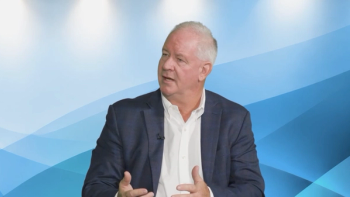
Ray Tancredi, executive vice president of trade relations at Asembia, remembers when a pharmacy in a manufacturer's network could be counted on to fill the prescription. Today, he says, that's not always the case.
In a recent analysis, IQVIA reported that 70% of commercial attempts to fill a new branded medicine were denied coverage on the first try in 2025, and 24% of new-to-brand commercial claims in 2024 never gained approval within a year.1 Tancredi says that when a drug first comes to market, two-thirds of its prescriptions may not get filled.
"I think the negotiation is no longer about the drug journey, it's about the patient journey," Tancredi says in an interview with Pharmaceutical Commerce. The question now is what a network pharmacy will provide "to get that patient on therapy." A pharmacy that receives 100 prescriptions and fills only 50 is close to the industry norm today, he notes, expecting more focus on patient metrics than contract metrics, framed by one question: "How did I impact that patient?"
Tancredi doesn’t claim to have a crystal ball, but he finds the road ahead exciting.
1. Ehrenberg R, Courneau E. Increasing Payer Control for Commercial Patients Initiating Branded Medicines. IQVIA. April 14, 2026. Accessed November 20, 2026.