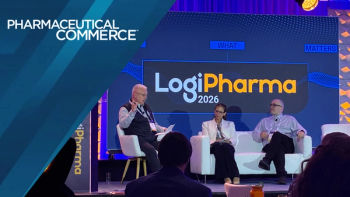

At LogiPharma USA 2026, Mark Talens explains where pharma gains the most from shared distribution visibility.
Zoomlogi's Henry Ames explains how AI agents are resolving supply chain exceptions, from unlinked IoT trackers to after-hours escalation calls.
AI is delivering its clearest value in supply chain today on basic, repetitive tasks such as chasing down missing shipment data and triaging after-hours calls, according to
Speaking with Pharmaceutical Commerce at
Ames breaks exception management into three steps. A system detects a disruption, an AI agent takes the first action and the system documents every step as the response unfolds. He considers documentation likely the most important of the three.
One example comes from cell and gene therapy shipments. Customers expect their specialty courier to place a real-time IoT tracker on each shipment, but in a share of cases the courier attaches the tracker without assigning it to the shipment record. Logistics managers previously spent “a lot of time on the phone calling a courier, reminding them to link the unique serial number to the tracking information,” Ames says. Zoomlogi built an agent that follows an escalation protocol. If a tracker remains unassigned after a set period, the agent places the call and will “sit on hold as long as they need to to get the job done.”
Inbound calls are a second use case. Historically, a logistics manager could be contacted during off hours over a minor shipment delay. By deploying AI agents, calls from logistics service providers during business hours go straight to staff. After hours and on weekends, agents works through escalation workflows and determine whether the disruption warrants waking someone to make a decision or take corrective action.
Adoption of these tools is still early. Gartner predicts that by 2030, 60% of enterprises using supply chain management software will have adopted agentic AI features, up from 5% in 2025.1
1. Gartner. Gartner Forecasts Supply Chain Management Software with Agentic AI Will Grow to $53 Billion in Spend by 2030. April 7, 2026.