

Ullrich Mayeski, community engagement director of health with GS1 US, outlines how manufacturers, distributors, and dispensers can strengthen end-to-end traceability.
Nicholas Saraceno is Editor of Pharmaceutical Commerce. He can be reached at nsaraceno@mjhlifesciences.com.
Ullrich Mayeski, community engagement director of health with GS1 US, outlines how manufacturers, distributors, and dispensers can strengthen end-to-end traceability.
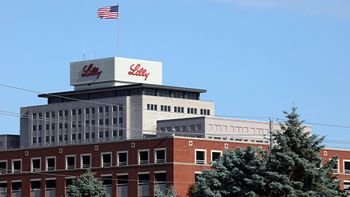
The Generation Park site will create over 600 permanent jobs, support advanced small molecule production, and play a role in scaling orforglipron, Lilly’s first oral GLP-1 receptor agonist for obesity.
This episode of Pharma Pulse covers the FDA’s review of a possible link between prenatal acetaminophen use and autism, GSK’s supplemental new drug application to update leucovorin labeling, and Celltrion’s acquisition of an Eli Lilly production facility to expand biologics manufacturing capacity.
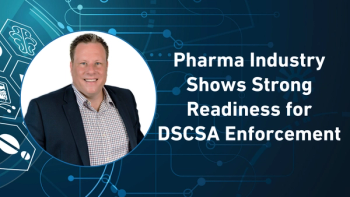
Ullrich Mayeski, community engagement director of health with GS1 US, explains how with over a decade of collaboration, manufacturers and distributors are largely prepared for DSCSA compliance. The remaining challenge lies in ensuring consistent readiness across dispensers, while maintaining open communication throughout the supply chain.

The South Korean pharma company’s US subsidiary is purchasing Eli Lilly’s Branchburg, NJ site to safeguard against potential tariffs. strengthen domestic production, and expands its biosimilar footprint.
This episode of Pharma Pulse covers ACIP’s move toward shared decision-making for COVID-19 vaccines, Pfizer’s acquisition of Metsera to strengthen its obesity and cardiovascular pipelines, and Closed Loop Medicine’s partnership with Wedosify to improve patient adherence to GLP-1 therapies.
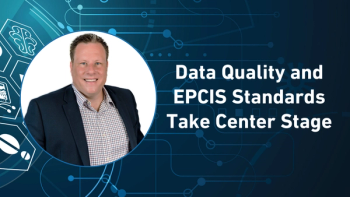
Ullrich Mayeski, community engagement director of health with GS1 US, describes the organization’s EPCIS standard for meeting DSCSA requirements while underscoring that true supply chain success depends on robust data quality practices, clear procedures, and cross-team accountability to ensure patients receive their medications without disruption.
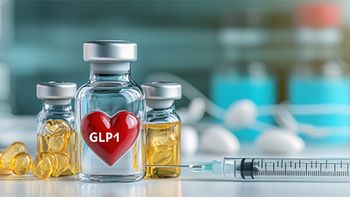
The platform enables clinicians to tailor GLP-1 titration at scale, aiming to reduce discontinuation rates and improve long-term outcomes for patients undergoing obesity treatment.
This episode of Pharma Pulse covers the CDC’s decision to postpone changes to Hepatitis B vaccine guidance, new research showing value-based care improves visit frequency and consistency for seniors, and Takeda’s partnership with VELA to launch wind-powered transport for medicines.

Takeda will be shipping treatments between Europe and the US using VELA’s sailing cargo trimaran, potentially reducing greenhouse gas emissions by up to 99% when compared with air freight.

Industry leaders—from manufacturers, distributors, and dispensers—reported increased preparedness for compliance, with discussions shifting toward exception management, governance, and enforcement readiness, note Ullrich Mayeski of GS1 US and Mark Karhoff of Ten Count Consulting.
This episode of Pharma Pulse covers GSK’s $30 billion plan to expand US biopharma production, new evidence that weekly GLP-1 therapies significantly reduce cardiovascular risks, and Roche’s acquisition of 89bio to add the FGF21 analog Pegozafermin to its growing metabolic disease portfolio.
The pharmaceutical giant’s commitment includes a $1.2 billion investment in advanced facilities powered by AI and digital technology, strengthening biopharma manufacturing and clinical research across the United States.
This episode of Pharma Pulse covers the former CDC director’s claim she was dismissed for refusing to prioritize ideology over evidence, new findings that physician mental health remains a serious concern, and Eli Lilly’s $5 billion investment in a new Virginia manufacturing plant to expand biologics production.
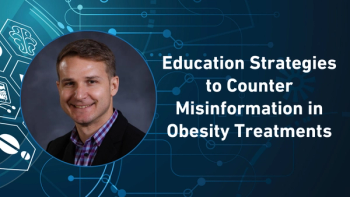
In the final part of his Pharma Commerce video interview, Derrick Gastineau, head of marketing with Currax Pharmaceuticals, shares how the value in ensuring patients and clinicians have access to accurate resources requires meeting them where they already seek information, with seamless, trustworthy education integrated into their daily workflows.
The new Goochland County facility will serve as Lilly’s first fully integrated API and drug product site, focusing on antibody-drug conjugates, while creating thousands of jobs and strengthening domestic supply chains.
This episode of Pharma Pulse covers new data showing 1 in 6 US parents are delaying or skipping childhood vaccinations, Secretary Robert F. Kennedy Jr.’s move to expand a federal vaccine advisory committee, and survey findings that more than half of healthcare workers are considering leaving their current roles.
In the third part of his Pharma Commerce video interview, Derrick Gastineau, head of marketing with Currax Pharmaceuticals, notes that in a crowded weight management landscape, marketers play a critical role in combating misinformation by ensuring healthcare providers and patients have clear, accurate information on the safety, efficacy, and access pathways of FDA-approved treatments.

A new JAMA Network Open study highlights how over-the-counter oral contraceptives can reduce barriers to care, especially for uninsured, rural, and adolescent populations, amid shifting federal policies on reproductive health.
This episode of Pharma Pulse covers healthcare advocates’ push for a $50 billion Rural Health Transformation Program, new research showing pneumococcal vaccination gaps among adults with celiac disease, and Novartis’ $5.7 billion licensing agreement with Monte Rosa Therapeutics for protein degrader therapies.
In the second part of his Pharma Commerce video interview, Derrick Gastineau, head of marketing with Currax Pharmaceuticals, points out that as patient fatigue grows with injectable therapies, oral alternatives are emerging as vital tools for clinicians and patients alike, expanding choice, improving access, and supporting more personalized obesity treatment strategies.

The collaboration seeks to reduce drug waste, prevent errors, and support more reliable delivery of life-saving therapies to patients worldwide.
This episode of Pharma Pulse covers new FDA guidance to speed development of non-opioid pain treatments, the FTC’s warning against non-compete agreements for doctors and nurses, and DHL Supply Chain’s acquisition of SDS Rx to strengthen last-mile healthcare delivery.
In the first part of his Pharma Commerce video interview, Derrick Gastineau, head of marketing with Currax Pharmaceuticals, explains how predictable, affordable pricing models for FDA-approved oral weight loss drugs can reduce barriers to care, improve long-term adherence, and support better outcomes for patients managing chronic obesity.
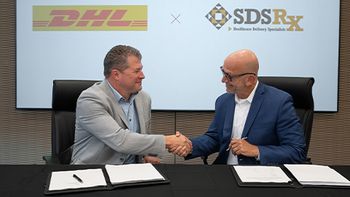
The deal will integrate SDS Rx’s specialized delivery network of US locations into DHL’s Life Sciences & Healthcare division, strengthening same-day and final-mile services as demand for specialty pharma and patient-centered logistics continues to rise.
This episode of Pharma Pulse covers reports of a White House executive order to restrict treatments discovered in China, new data showing robust immune responses from Pfizer and BioNTech’s COVID-19 vaccine in high-risk adults, and Samsung Biologics’ latest US manufacturing deal amid tariff uncertainty.
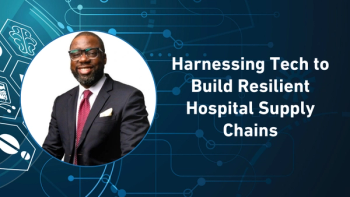
In the final part of his Pharma Commerce video interview, Boyede Sobitan, Zebra Technologies’ global healthcare strategy lead, details how in a post-COVID landscape, technologies that track and regionalize hospital inventory could become critical tools for state and local health departments, ensuring visibility, preparedness, and smarter resource allocation during future disruptions.

The South Korean CDMO has signed its second multi-billion-dollar contract in less than a year, even as shifting US trade policies and looming tariffs create challenges for global drugmakers.
This episode of Pharma Pulse covers Florida’s plan to roll back school vaccine mandates amid a measles outbreak, President Trump’s renewed focus on limiting direct-to-consumer pharma advertising, and ICER’s latest cost-effectiveness analysis of GLP-1 obesity treatments semaglutide and tirzepatide.
This episode of Pharma Pulse covers Novartis’ acquisition of Tourmaline Bio to advance its cardiovascular candidate Pacibekitug, new research uncovering biological and immunological factors driving flu severity in older adults, and strategies to address the top five reasons patients don’t take their medications.