Cencora's Gregg Gorniak breaks down what separates basic DSCSA compliance from using it to streamline transactions and strengthen trading partnerships.

Senior Content Associate
Pharmaceutical Commerce
Cencora's Gregg Gorniak breaks down what separates basic DSCSA compliance from using it to streamline transactions and strengthen trading partnerships.

Cencora's Ameer Ali explains how the shift to NDC-12 is reshaping supply chain systems and why readiness still varies widely across manufacturers.
HDA's Kala Shankle explains what a national licensure standard could mean for wholesale distributors and 3PLs, and why its success depends on how much state-level variation remains.
Ahead of HDA's 2026 Traceability Seminar, Cencora's Gregg Gorniak explains how AI and RFID are being used to catch DSCSA data gaps before trucks reach the dock.
In this week's Pharma Pulse, new Medicaid pricing deals are rumored, employer GLP-1 pullback, and McKesson's $2.25B oncology buy.
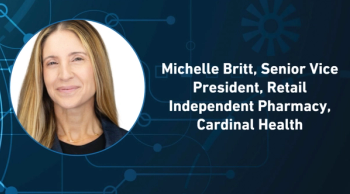
Cardinal Health's Michelle Britt discusses the policy changes needed to secure independent pharmacy's future, from state advocacy wins to giving pharmacists a seat at the table.

TrumpRx has topped 800 drugs since its February launch, but managed care skepticism over real patient savings persists.

Vikram Anand explains how connected pharmacovigilance systems improve HCP and patient experiences, and why predictive, AI-driven intake is the next frontier for manufacturers.
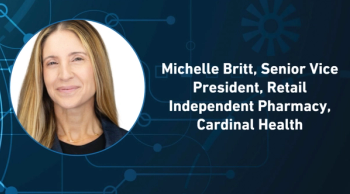
Cardinal Health's Michelle Britt discusses how independent pharmacies are expanding clinical services and leaning on distributor partnerships to meet evolving patient and community needs.

AMCP's Adam Colborn discusses survey findings on TrumpRx's six-month performance, examining payer skepticism about pricing claims and pharmacy access hurdles for patients.

EVERSANA's Vikram Anand explains how disconnected PV systems and manual safety processes can create commercial delays after FDA approval.
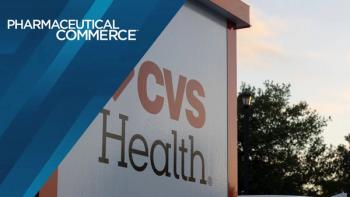
In coordination with the Centers for Medicare and Medicaid Services, 10 PBMs will surface TrumpRx cash prices in prescribers' benefit tools, PCMA announced.

JD Power's 2026 U.S. Pharmacy Study shows mail-order satisfaction climbing as brick-and-mortar retailers lose customer trust and perceived value.
In this week's Pharma Pulse, Trump nominates Heidi Overton to lead the FDA, EVERSANA expands its AI-powered commercialization platform into medical affairs and market research, Moderna and Merck's personalized mRNA cancer vaccine clears a landmark Phase 3 trial, and IAG Cargo expands its pharma cold chain network into Kuala Lumpur.
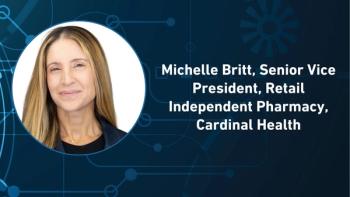
Cardinal Health's Michelle Britt discusses the operating costs, cash flow strain and reimbursement pressures facing independent pharmacies, and how owners are diversifying revenue to stay open.
Trump is expected to pick White House aide Dr. Heidi Overton to lead the FDA, pending Senate confirmation, as the agency works to rebuild industry trust.

IAG Cargo has added a Kuala Lumpur station to its Constant Climate network, its 13th in Asia-Pacific, as regional biologics and personalized medicine demand accelerates.

EVERSANA's Vikram Anand breaks down FDA data on complete response letters, showing how gaps in pharmacovigilance and safety readiness, not manufacturing alone, drive costly delays in drug commercialization.
Episode 2 of Supply Chain Signal breaks down the July 31 and September 29 Section 232 deadlines and the proposed generics tariff plan, and what they mean for reshoring.

Patient Advocate Foundation's Amy Niles on faster CMS prior authorization rules, Medicaid work requirements and what shrinking coverage means for patients.
In this week's Pharma Pulse, Eli Lilly sues companies over black-market retatrutide sales, Bristol Myers Squibb commits $2.3 billion to a new Houston manufacturing campus, and FDA opens an assessment of small dispensers' DSCSA tracing capabilities.

Adam Colborn explains why affordability and access aren't the same thing for TrumpRx, and how pharmacy participation gaps can leave patients stuck.
Colborn breaks down why most AMCP members don't see TrumpRx as the lowest price option, and what that means for MFN pricing claims.

AMCP's Adam Colborn breaks down survey findings on how health plans and PBMs view the TrumpRx platform.

Gifthealth CEO Chip Parkinson on the factors accelerating direct-to-patient model adoption, and what's next for the channel.
FDA is evaluating small pharmacies' package-level tracing capabilities while extending certain Drug Supply Chain Security Act exemptions to those dispensers through November 2027.

CVS Health is pairing a new Lilly pricing collaboration with a $29 MinuteClinic visit and expanded pharmacist support, disclosed alongside a sharp Q2 earnings beat.

Pharma hub services are evolving as manufacturers navigate specialty therapy growth, digital transformation, vendor transitions, and new models for patient access and support.
In this week's Pharma Pulse, a senior source denies AstraZeneca and Bristol Myers Squibb are in merger talks, Cleveland Clinic and Arrive AI push drone delivery toward pharma's last mile, Kenco's AI rollout signals where 3PL is headed, and TailorMed and WeInfuse team up to expand infusion access.

Cleveland Clinic's new prescription drone delivery program and Arrive AI's planned collaboration with LifeSpan Pharmacy highlight growing interest in drone technology for last-mile logistics.