



Cold Chain
Latest News
Advertisement
Latest Videos






Podcasts
Advertisement
More News

The facility opening coincides with rapid growth projections for the pharmaceutical cold chain industry in the coming years.
Anthony "TJ" Rizzo explains how modern tools are enabling more oversight and precision within the cold chain.

Ahead of LogiPharma Europe 2026, Richard Harrop explains why packaging must be more patient-centric.
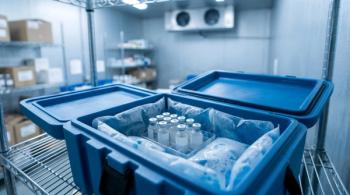
Anthony “TJ” Rizzo shares his outlook on the future of pharma cold chain technology.

Anthony “TJ” Rizzo explains what makes an effective supply chain partnership, and how tech can be deployed alongside human experience.
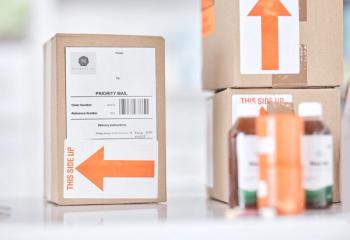
Richard Harrop shares how pharma can strike a balance between performance, sustainability, and resilience in packaging design.

Ahead of his presentation at LogiPharma 2026, Anthony “TJ” Rizzo discusses how automation and real-time monitoring can be deployed in supply chains.
Jessica Ledesma explores how hospital pharmacies are adopting autonomous cold storage to protect high-value medications.
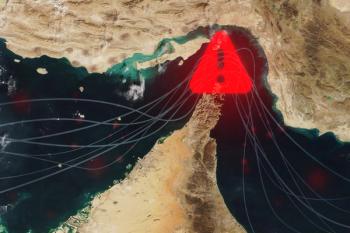
A 14-day US-Iran ceasefire is expected to ease pressure on the Strait of Hormuz, offering a reprieve for global pharma supply chains.
In today’s Pharma Pulse, Cold Chain Technologies sets a formal 2050 Net Zero goal to tackle the industry’s Scope 3 emissions, while a new Op/Ed highlights operational discipline as the vital driver for sustaining U.S. generic drug supplies.

CCT’s 2050 Net Zero goal will tackle Scope 3 emissions, which make up the majority of Pharma’s carbon footprint.

The facility addresses growing demand for GLP-1 medications and other temperature-sensitive pharmaceuticals.

Building climate-resilient cold chains with AI, smarter logistics, and collaboration to ensure safe delivery in a warming world.
In today's Pharma Pulse, the FDA approves Icotyde as the first targeted oral peptide therapy for moderate-to-severe plaque psoriasis, while Cold Chain Technologies prepares to debut its MedAssure orchestration platform at LogiPharma 2026

Cold Chain Technologies will debut its MedAssure orchestration platform at LogiPharma 2026 providing a proactive solution for a cold chain market burdened by frequent temperature excursions.

Ongoing conflict in the Middle East has pushed pharmaceutical companies into cold chain rerouting scrambles.
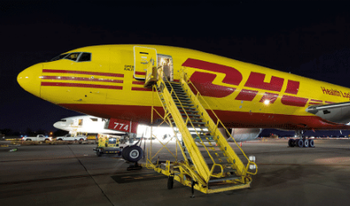
Even as manufacturers and their logistics partners grapple with unstable supply chains, the technology continues to evolve.

Rising geopolitical tensions in West Asia could threaten up to $600 million in Indian pharmaceutical exports.

SpotSee and Controlant announced a collaboration to enhance pharmaceutical supply chain visibility using integrated monitoring devices and cloud-based indicators.
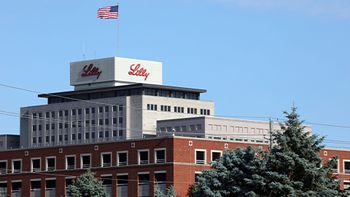
The multi-dose pen—capable of providing a one-month supply—may ease device supply constraints and reshape distribution planning.
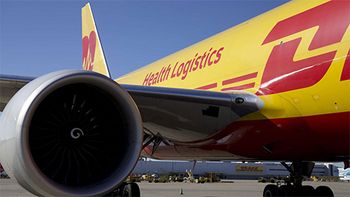
The logistics provider has launched a temperature-controlled network with new dedicated capacity and aviation routes designed to enhance the transport of time-critical pharmaceuticals and biologics, responding to the rising demand for reliable, compliant cold-chain logistics.
Sector leaders explore how third-party logistics providers are adapting to advanced therapies, tighter regulations, digital transformation, and expanding cold chain demands.

The company brings its temperature-controlled Superbox to the US pharma industry, aiming to improve speed, compliance, and resilience in the cold chain process.
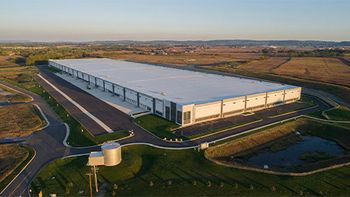
A new Foreign Trade Zone–enabled facility in Annville strengthens the company’s temperature-controlled, compliant logistics capabilities, while accelerating customs processing and last-mile healthcare delivery.
Advertisement
Advertisement