



Supply Chain
Latest News
Advertisement
Latest Videos




Shorts

0:57
Securing the US Drug Supply Chain Through Leadership
7 months ago
by
Nicholas Saraceno, Senior Editor(+1 more)
0:40
Innovating the Global Supply Chain
7 months ago
by
Nicholas Saraceno, Senior Editor(+1 more)
0:49
Why Holistic Thinking Fails in the Tariff Debate
7 months ago
by
Nicholas Saraceno, Senior Editor(+1 more)

0:40
Receiving Pharma Commerce for the Holidays
7 months ago
by
Nicholas Saraceno, Senior Editor
0:57
Operationalizing DSCSA compliance Into Business as Usual
8 months ago
by
Nicholas Saraceno, Senior Editor(+1 more)
0:40
Ways CNPVs Could Reframe America’s Drug Production Strategy
8 months ago
by
Nicholas Saraceno, Senior Editor(+1 more)
3:50
LogiPharma USA 2025: A Shift Toward Real-Time Visibility and End-to-End Control
9 months ago
by
Nicholas Saraceno, Senior Editor(+3 more)
0:40
An October Issue Endorsement From Our President and CEO
9 months ago
by
Nicholas Saraceno, Senior Editor(+1 more)
0:57
The Value of Cold Chain Tech in Providing Pharma Delivery
9 months ago
by
Nicholas Saraceno, Senior Editor(+1 more)
0:58
Unlocking Sustainability
9 months ago
by
Nicholas Saraceno, Senior Editor(+1 more)
Podcasts
Advertisement
More News
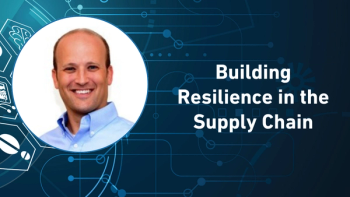
Shawn McGee discusses today's key risks in the pharma supply chain, and how to prevent disruptions.


The facility opening coincides with rapid growth projections for the pharmaceutical cold chain industry in the coming years.

Anthony "TJ" Rizzo explains how modern tools are enabling more oversight and precision within the cold chain.

Seamus Keane discusses resilient supply chain design ahead of his panel at LogiPharma 2026.

Mastering the PSMF is critical for inspection readiness, as it provides regulators an early look at your pharmacovigilance system's compliance.
In this week’s Pharma Pulse, tariffs reshape drug supply, a fragile ceasefire tests global pharma, Wegovy goes higher-dose, and patients still can't get appointments fast enough.
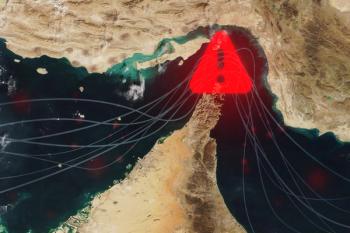
A 14-day US-Iran ceasefire is expected to ease pressure on the Strait of Hormuz, offering a reprieve for global pharma supply chains.

Post-approval changes are overwhelming pharma ops teams. Here's why lifecycle change management has become one of the industry's most consequential and overlooked operational risks.

Pharma companies could face 100% tariffs under new US rules, with relief available for those prioritizing onshore manufacturing or pricing concessions.
In today’s Pharma Pulse, Shionogi acquires global rights to the ALS treatment Radicava, and experts monitor drug supply chains as the U.S.-Iran conflict drives up logistics costs.
In today’s Pharma Pulse, Cold Chain Technologies sets a formal 2050 Net Zero goal to tackle the industry’s Scope 3 emissions, while a new Op/Ed highlights operational discipline as the vital driver for sustaining U.S. generic drug supplies.

CCT’s 2050 Net Zero goal will tackle Scope 3 emissions, which make up the majority of Pharma’s carbon footprint.
To fix America's drug shortages, pharma must look beyond manufacturing and overhaul how medicines are allocated and delivered to smaller hospitals.

Brightseed debuts a clinically validated AI platform to integrate life sciences innovation from discovery to commercialization

How the zero-prefix collision will disrupt reimbursement, patient access, brand protection and market intelligence — and what commercial leaders must do before 2033.
In today’s Pharma Pulse, industry leaders warn of serialization security issues and pharma companies brace for the 2033 NDC shift.


Building climate-resilient cold chains with AI, smarter logistics, and collaboration to ensure safe delivery in a warming world.

Chronic shortages expose how low prices, fragile supply chains, and misaligned incentives are undermining the U.S. generic drug market.
In today's Pharma Pulse, the FDA approves Icotyde as the first targeted oral peptide therapy for moderate-to-severe plaque psoriasis, while Cold Chain Technologies prepares to debut its MedAssure orchestration platform at LogiPharma 2026

Cold Chain Technologies will debut its MedAssure orchestration platform at LogiPharma 2026 providing a proactive solution for a cold chain market burdened by frequent temperature excursions.
In today's Pharma Pulse, ongoing conflict in the Middle East disrupts critical pharmaceutical cold chains, while AstraZeneca and partners launch a new program to decarbonize industrial heat across global supply chains.

Ongoing conflict in the Middle East has pushed pharmaceutical companies into cold chain rerouting scrambles.
Advertisement
Advertisement
Trending on Pharmaceutical Commerce
1
Pharma Pulse: Cardinal Health Bulks Up Home Care, Trump Unveils Phased Generics Tariffs
2
The Data Problem Behind Prescription Drug Waste
3
Mid-Year Check-In: Is Patient Affordability Getting Worse?
4
What Cold Chain Tech Trends Are Reshaping Pharma Logistics?
5