


Supply Chain
Latest News
Advertisement
Latest Videos

Podcasts
Advertisement
More News
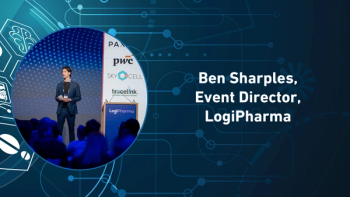
Ben Sharples, LogiPharma event director, examines how life sciences organizations are adapting to AI in the supply chain, with expert testimony from LogiPharma partners.

US pharma supply chains are shifting amid regulation and geopolitics, with BIOSECURE driving less Asia reliance and more complex, distributed networks.
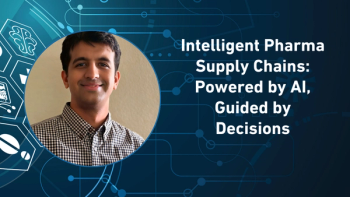
Decision intelligence helps pharma unify small molecule and cell and gene therapy supply chains through AI-driven, automated decision-making.

AI-driven cold chain visibility is only as reliable as the data behind it, exposing gaps between compliance, monitoring, and true product conditions.
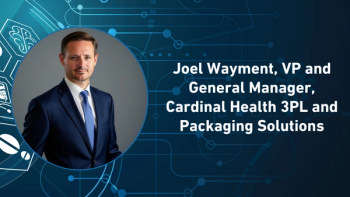
Joel Wayment discusses how the cold chain can be more sustainable.
Joel Wayment discusses the implications of the growing cell and gene therapy market on pharma supply chains.
Nico Vandaele shares how advanced modeling and simulations can be used to get ahead of future supply chain disruptions.
Raquel Vazquez discusses how data can be incorporated to make key decisions within the cold chain.
Joydeep Ganguly evaluates 4IR tools, data strategy, and why end-to-end thinking will define pharma supply chain transformation.
Shawn McGee discusses today's key risks in the pharma supply chain, and how to prevent disruptions.

The facility opening coincides with rapid growth projections for the pharmaceutical cold chain industry in the coming years.

Anthony "TJ" Rizzo explains how modern tools are enabling more oversight and precision within the cold chain.

Ahead of LogiPharma Europe 2026, Richard Harrop explains why packaging must be more patient-centric.

Anthony “TJ” Rizzo shares his outlook on the future of pharma cold chain technology.

Anthony “TJ” Rizzo explains what makes an effective supply chain partnership, and how tech can be deployed alongside human experience.

Seamus Keane discusses resilient supply chain design ahead of his panel at LogiPharma 2026.
Mastering the PSMF is critical for inspection readiness, as it provides regulators an early look at your pharmacovigilance system's compliance.
In this week’s Pharma Pulse, tariffs reshape drug supply, a fragile ceasefire tests global pharma, Wegovy goes higher-dose, and patients still can't get appointments fast enough.
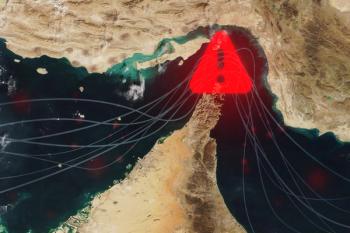
A 14-day US-Iran ceasefire is expected to ease pressure on the Strait of Hormuz, offering a reprieve for global pharma supply chains.
Post-approval changes are overwhelming pharma ops teams. Here's why lifecycle change management has become one of the industry's most consequential and overlooked operational risks.

Pharma companies could face 100% tariffs under new US rules, with relief available for those prioritizing onshore manufacturing or pricing concessions.
In today’s Pharma Pulse, Shionogi acquires global rights to the ALS treatment Radicava, and experts monitor drug supply chains as the U.S.-Iran conflict drives up logistics costs.
In today’s Pharma Pulse, Cold Chain Technologies sets a formal 2050 Net Zero goal to tackle the industry’s Scope 3 emissions, while a new Op/Ed highlights operational discipline as the vital driver for sustaining U.S. generic drug supplies.
Advertisement
Advertisement
Trending on Pharmaceutical Commerce
1
How Early Development Decisions Shape Commercial Readiness for Biologics
2
FAQ: What Comes Next for the 340B Rebate Pilot
3
Why Early, Big-Picture Planning Is Key to Execution Across the CGT Lifecycle
4
Pharma Pulse: Vicapsys-Stateline Merger and Veritiv's TempSafe RxShield
5