The GLP-1 landscape continues to evolve in both delivery formats and affordability.
The GLP-1 landscape continues to evolve in both delivery formats and affordability.
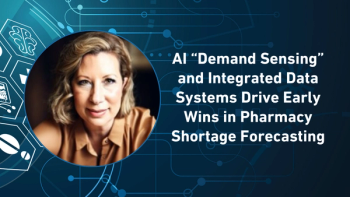
In the final part of her Pharma Commerce video interview, Valerie Bandy, PharmD, Tecsys’ vice president of pharmacy solutions, shares why short-term AI use cases—such as demand sensing and shortage risk detection—are delivering the most value in pharmacy supply chains.
In today’s Pharma Pulse, bipartisan lawmakers target PBM vertical integration, while pharma giants race to secure tariff-exempt pricing deals.

Companies not included in the initial round are now pursuing their own agreements amid concerns over levies, Medicare pilot programs, and future price-setting policies.
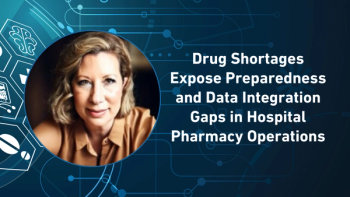
In the second part of her Pharma Commerce video interview, Valerie Bandy, PharmD, Tecsys’ vice president of pharmacy solutions, points out that shortages remain the top disruption driver, revealing fragmented forecasting, limited enterprise visibility, and poor cross-system integration that keep hospitals stuck in reactive mode instead of proactive planning.
In today’s Pharma Pulse, the FDA issues a rare “Refusal-to-File" for Moderna’s influenza vaccine, while new research confirms GLP-1s act as potent tools against chronic inflammation.
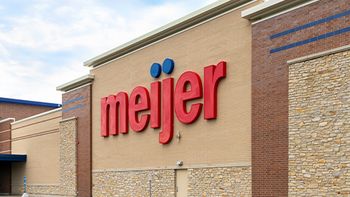
The retailer is now accepting NovoCare savings programs for Wegovy and Ozempic, offering introductory discounts and adding access to oral Wegovy.

In the first part of her Pharma Commerce video interview, Valerie Bandy, PharmD, Tecsys’ vice president of pharmacy solutions, explains why health systems lack real-time pharmacy inventory visibility, driving reactive decisions, higher costs, and increased vulnerability to shortages and disruptions.
In today’s Pharma Pulse, the American College of Physicians issues a formal rejection of the term "provider," while Takeda partners with Iambic Therapeutics to accelerate small-molecule discovery through AI.

Sector leaders explore how third-party logistics providers are adapting to advanced therapies, tighter regulations, digital transformation, and expanding cold chain demands.

Rising recalls, tighter FDA enforcement, global supply chain dependencies, and rapid technology shifts are reshaping pharmaceutical quality and compliance—forcing manufacturers to rethink oversight, resilience, and continuous improvement across operations.

As policy pressure, tariffs, and supply chain risks push drugmakers to expand US-based production, this FAQ explains what pharma reshoring is, why it’s accelerating, which companies are investing, and how the shift could reshape reliability, regulation, and patient access.
In today’s Pharma Pulse, a telehealth giant retreats from the weight loss pill conflict, while safety-net hospitals secure a major legal victory against 340B reform.

Community pharmacies are being squeezed out of local markets, creating pharmacy deserts that raise costs, reduce access, and strain the healthcare system.

SQ Innovation’s at-home furosemide injection for heart failure–related edema is now available through two of the Big Three drug wholesalers and covered under a Medicaid rebate agreement, expanding access for hospitals, pharmacies, and eligible patients.

These hubs can streamline access, reduce friction across reimbursement and logistics, and improve outcomes, as the CGT pipeline expands and patient demand accelerates.

TrumpRx is meant to reduce drug costs, but Americans are wondering how it works and what impact it will have.
In today’s Pharma Pulse, TrumpRx officially goes live, while Novo Nordisk prepares to take the oral version of Wegovy to the biggest stage in advertising.

What 2025 means for the life sciences sector in the New Year.

The new platform offers coupon-driven discounts on dozens of high-cost brand name drugs, while raising new questions about eligibility, access, and how savings are applied.

The commercial PBM model is confronting structural strain as market forces—not regulation—begin to expose the fragility of high-rebate pricing economics.

A four-pillar strategy to help ensure both, as copay programs face mounting payer pressure and misuse in 2026.
In today’s Pharma Pulse, the FTC secures a multi-billion-dollar settlement against the "rebate trap," while Congress provides long-term certainty for the digital health revolution.

Policy shifts bring meaningful improvements for some—but looming coverage losses and rising premiums threaten to erase those gains.

A landmark FTC settlement requires Express Scripts to overhaul formulary and rebate practices, boosting price transparency in the process.

CMS’s Globe and Guard models extend MFN pricing into Medicare Part B and Part D, signaling a sweeping shift in US drug pricing policy.
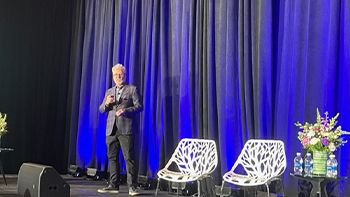
At Trade & Channel Strategies, industry executives explored evolving channel models, serialization challenges, generics and biosimilars, and the strategies shaping pharma's future.
In today’s Pharma Pulse, the biopharma landscape enters a transformative phase as the US signs landmark PBM reforms into law, while Novartis braces for the largest patent expiration cycle in its history.

By unifying data, workflows, and decision-making across partners, AI orchestration is enabling healthcare supply chains to move from reactive firefighting to proactive resilience—supporting faster responses, smarter tradeoffs, and more reliable patient care delivery.
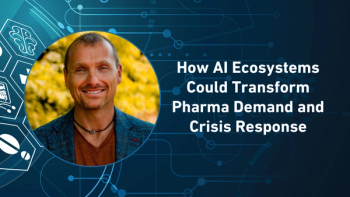
In the final part of his Pharma Commerce video interview, Joe Hudicka, entrepreneur and supply chain expert, outlines how real-time AI signal sharing across supply chain partners can help pharma companies anticipate demand shifts, reduce shortages, and respond faster to pandemics and geopolitical disruptions.