
A new BGH survey shows some large employers are pulling back on GLP-1 weight-loss coverage in 2027 as rising costs and utilization outpace anticipated savings.
A new BGH survey shows some large employers are pulling back on GLP-1 weight-loss coverage in 2027 as rising costs and utilization outpace anticipated savings.

AI-powered automation is transforming pharmacovigilance, cutting AE case intake time amid record FAERS volumes and new FDA/EMA regulatory guidance.
In this week's Pharma Pulse, USP's annual shortages report reveals a sharp rise in drug discontinuations, J&J and Roche commit billions to protein degrader platforms, and more.
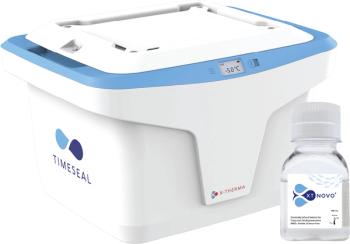
X-Therma's end-to-end biopreservation system promises to push storage and transport window from hours to five days, without freezing or toxic additives.

As specialty drug spend tops 50% of pharmacy costs, health system specialty pharmacies are evolving from dispensers into longitudinal care management partners.

USP's Annual Drug Shortages Report reveals a sharp rise in product discontinuations, driven by unsustainable generic pricing, upstream geographic concentration, and manufacturing complexity.
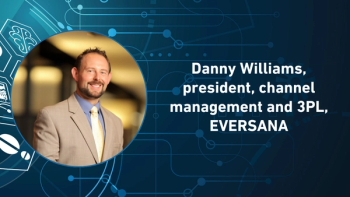
Danny Williams breaks down direct-to-patient distribution and his outlook on where pharma 3PLs are headed over the next five years.

After adding 160 more drugs, TrumpRx tops 800 prescription offerings. Here's what the latest MFN-driven expansion means for pricing and access.
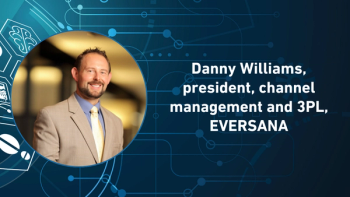
Danny Williams discusses how AI has moved from experimental pilots to full operational deployment across supply chain functions, and how cell and gene therapies are reshaping the logistics industry.

4flow's Natalia Andreyeva breaks down the persistent planning failures driving AI adoption in pharma supply chains.
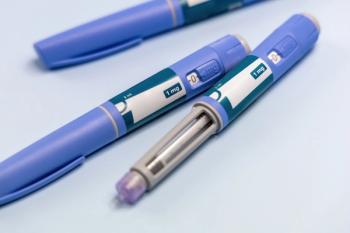
A new CMS demonstration launching July 1 will offer eligible Part D beneficiaries access to branded obesity drugs at a $50 copay. Here's what manufacturers, payers, and pharmacies need to know.
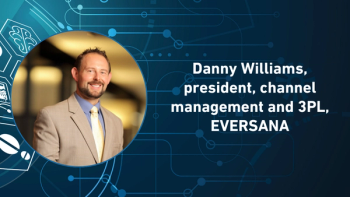
EVERSANA's Danny Williams breaks down the most consequential operational shifts in pharma 3PL over the past five years, from full-pallet distribution to integrated commercialization support for complex, targeted therapies.
In this week's Pharma Pulse, a Bluesight survey flags hospital pharmacy's top concerns, the Wegovy pill is introduced to the UAE, and more.
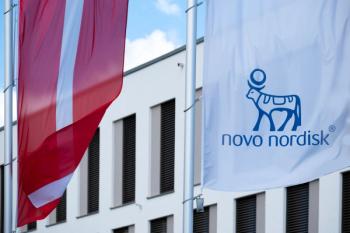
Novo Nordisk's UAE launch of the Wegovy pill signals a new phase of oral GLP-1 commercialization, with major implications for pharma distribution, channel strategy, and international market access.
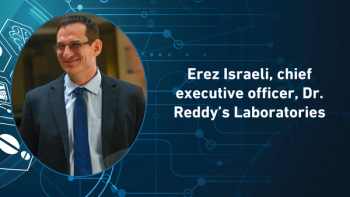
Erez Israeli explains how Dr. Reddy's approached commercial readiness for its generic semaglutide launch in Canada and what vertical integration in peptide manufacturing means for the GLP-1 market.
Cencora will support US distribution of Kite's Yescarta and Tecartus, reducing administrative burdens and expanding CAR T-cell therapy access at authorized treatment centers.

Cameron Olig explains how transparency and direct access models can help pharma close the gap between drug pricing, distribution and the patient.

ThermoSafe expands US VIP manufacturing amid surging biologics demand and growing pressure to reduce overseas cold chain packaging risk.
FDA approves Shionogi's Xocova, the first oral post-exposure COVID-19 prevention therapy, reducing infection risk by 67% in Phase III trials.
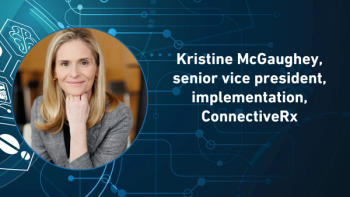
Early launch planning, streamlined patient access, and measured AI adoption help specialty therapy programs accelerate treatment and sustain success.

The PBM’s updated commercial formularies reflect negotiated pricing progress with manufacturers.

As specialty drug launches grow, pharma leaders are rethinking patient access as a core commercialization strategy to reduce delays and improve therapy starts.

By prioritizing solutions such as reusable plastic pallets, pharmaceutical companies can ensure that their high-value innovations are protected by equally innovative packaging.
In this week's Pharma Pulse, House committees advance key legislation targeting PBM kickbacks and pharmacy access, Macfarlane Packaging partners with eutecma to bring modular cold chain solutions to the UK, and more.
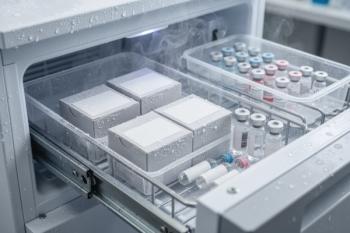
Intelliguard and Accucold have launched an RFID-enabled refrigerated cabinet to improve hospital medication tracking, visibility, and cold-chain control.

Generic drug shortages may seem sudden, but they stem from ongoing pressures in manufacturing, pricing, and global supply chains, especially in hospitals.

The US DSCSA requires digital drug traceability to ensure patient safety, but supply chains face data errors; deploying AI adds an intelligent compliance layer to automate process tracking and protect drug access.

Pharma supply chains are embracing AI, digital twins, IoT, and DSCSA-driven traceability to improve resilience, visibility, and profitability amid rising global disruptions.

Kieran Daly discusses how adherence programs can improve patient outcomes, support specialty pharmacy performance, and reduce healthcare costs.

Cash pay is re-emerging as biopharma brands rethink insurance barriers, patient access, and affordability in a fragmented payer market.