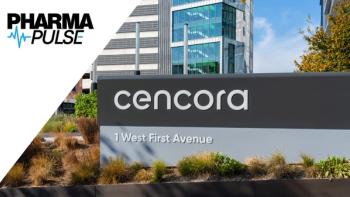
In this week's Pharma Pulse, Cencora agrees to acquire American Oncology Network, five major employers back electronic prior authorization for self-funded health plans and FDA finalizes its guidance on prescription drug apps and software.
As specialty drug spend tops 50% of pharmacy costs, health system specialty pharmacies are evolving from dispensers into longitudinal care management partners.
For decades, the specialty pharmacy's core value proposition was straightforward: get a complex, high-cost medication into the hands of the right patient at the right time. That mission remains essential, but as the financial and clinical stakes of specialty therapeutics escalate, a growing number of health system specialty pharmacies are pushing past the dispense model, positioning themselves as longitudinal care partners embedded in the clinical workflow.
The operational and clinical answer to that question is taking shape in the form of expanded
One analysis estimated that specialty therapies accounted for roughly $400 billion and 52% of net drug spend in 2025, concentrated in some of the most complex areas of care, including oncology, autoimmune diseases, neurology, and rare diseases.⁴ For health systems investing in specialty pharmacy infrastructure, those concentrations represent both risk and opportunity. When patients on high-cost biologic or oncology regimens disengage from therapy, the clinical and financial consequences ripple across the enterprise. Conversely, when a specialty pharmacy is structured to intercept those disengagement signals early—through regular touchpoints, proactive side effect management, and goal-setting between physician visits—the potential to improve both
Within this evolving context, Bill McElnea, vice president of population health at Shields Health Solutions, and Hinal Sharma, a diabetes clinical care coach at Shields Health Solutions, sat down with Pharmaceutical Commerce in a live Q&A to discuss what it actually looks like to build a care management platform around the specialty dispense, and what it takes to scale it. Their insights offer a ground-level view of a structural shift that is quietly but meaningfully redefining what a specialty pharmacy can be.
Sharma: I would say the biggest thing is it's not a one-size-fits-all option. We have the opportunity to really tailor our care to what each specific patient needs using a library of resources. So we've got, of course, the clinical knowledge, the medications, nutrition, and lifestyle modifications. Bring it all together, and you can collaborate right there with the clinic.