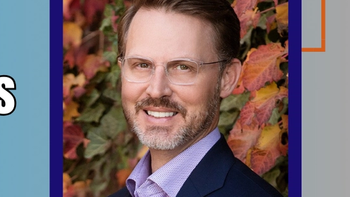
Chip Parkinson, CEO, GiftHealth, explains how AI, real-time data, and closer payer collaboration are driving the next phase of growth and efficiency in specialty pharmacy.
Chip Parkinson, CEO, GiftHealth, explains how AI, real-time data, and closer payer collaboration are driving the next phase of growth and efficiency in specialty pharmacy.

Tiara Green, president, Accessia Health, highlights key themes from the upcoming discussion on how health equity, literacy, and social determinants are reshaping patient care—especially for those with chronic and rare conditions.
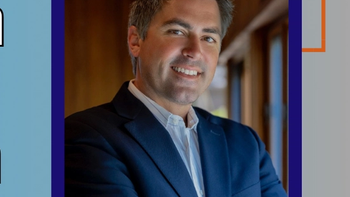
Blake Powers, CEO, Medigi, discusses how face-to-face collaboration and streamlined commercialization strategies are helping life sciences companies deliver therapies more efficiently to patients.

In the final part of his video interview with Pharma Commerce Editor Nicholas Saraceno, Paul Levesque, CEO of Theratechnologies, describes the uneasiness behind regulatory complications.
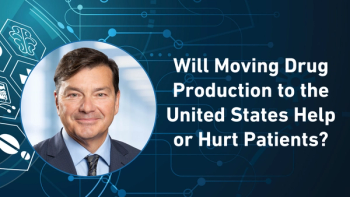
In the third part of his video interview with Pharma Commerce Editor Nicholas Saraceno, Paul Levesque, CEO of Theratechnologies, explains what the mindset be for companies who are just starting the reshoring process.

In the second part of his video interview with Pharma Commerce Editor Nicholas Saraceno, Paul Levesque, CEO of Theratechnologies, describes potential availability challenges brought on by supply chain obstacles.
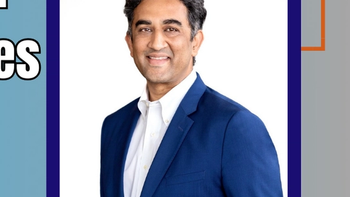
Joydeep Ganguly, SVP, corporate operations, interim CIO, Gilead Sciences, shares how stakeholders can drive meaningful, lasting impact by turning pledges into proof points, exercising patience, and embedding sustainability into core business operations.

In the first part of his video interview with Pharma Commerce Editor Nicholas Saraceno, Paul Levesque, CEO of Theratechnologies, outlines how US tariffs on Canadian goods have impacted the company’s operations, particularly in terms of cost and supply chain management in the US market.
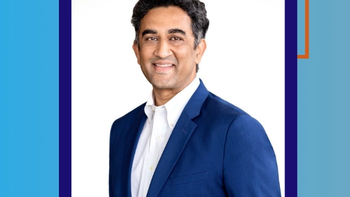
Joydeep Ganguly, SVP, corporate operations, interim CIO, Gilead Sciences, shares insights on how sustainability has evolved from a compliance requirement to a key business strategy, driving operational efficiencies, innovation, and long-term growth.
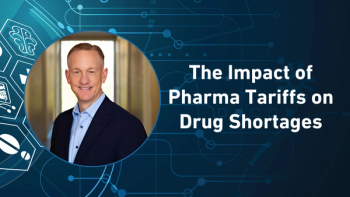
In the final part of his video interview with Pharma Commerce Editor Nicholas Saraceno, Jody Hatcher, CEO of Morris & Dickson and chair of HDA’s board of directors, outlines the implications that potential 25% tariffs on pharmaceuticals could have, as far as manufacturers reshoring their production services are concerned.
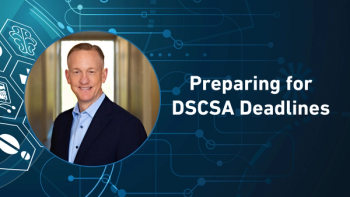
In the third part of his video interview with Pharma Commerce Editor Nicholas Saraceno, Jody Hatcher, CEO of Morris & Dickson and chair of HDA’s board of directors, comments on the steps needed to achieve Drug Supply Chain Security Act compliance.

In the second part of his video interview with Pharma Commerce Editor Nicholas Saraceno, Jody Hatcher, CEO of Morris & Dickson and chair of HDA’s board of directors, describes his day-to-day workflow at Morris & Dickson, and how it supports the efficiency and reliability of the distributor’s operations.
In the first part of his video interview with Pharma Commerce Editor Nicholas Saraceno, Jody Hatcher, CEO of Morris & Dickson and chair of HDA’s board of directors, explains how he foresees the future of the organization, along with the role he hopes to play in shaping its direction.

Will Robinson, program director, LogiPharma, explains how artificial intelligence and sustainability are driving a clear shift in priorities across the pharmaceutical supply chain.
In the final part of her video interview with Pharma Commerce Editor Nicholas Saraceno, Rachel Thorpe, executive director at the Otsuka Patient Assistance Foundation, emphasizes the importance of the separation of core business and foundation, the value of patient empowerment, and the impact of digital innovation.

Will Robinson, program director, LogiPharma, reveals why the conference will be moved to Vienna moving forward.

In the third part of his video interview with Pharma Commerce Editor Nicholas Saraceno, Chris O’Dell, provides an update on where the healthcare industry currently stands in terms of compliance with price transparency regulations, and what steps need to be taken to achieve full compliance.
In the second part of his video interview with Pharma Commerce Editor Nicholas Saraceno, Chris O’Dell, Turquoise Health’s SVP of market solutions, discusses the biggest challenges healthcare organizations currently face in terms of price transparency.
Steffen Lang, president, operations, executive committee member, Novartis, discusses what to expect from Novartis over the next decade in terms of technological innovations.
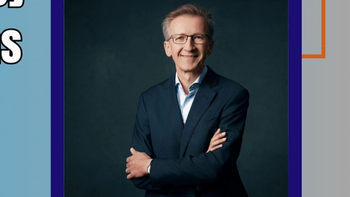
Steffen Lang, president, operations, executive committee member, Novartis, discusses how technology will continue to enhance operations and how it will impact patients.
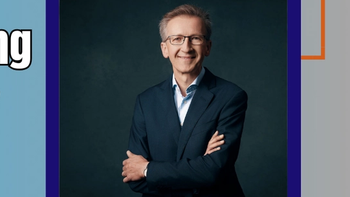
Steffen Lang, president, operations, executive committee member, Novartis, shares strategic insights on how pharma supply chain leaders can elevate operations to drive innovation, growth, and patient impact.
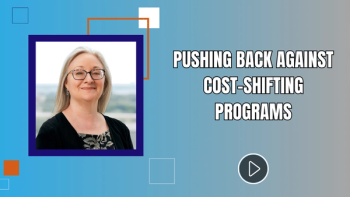
In the third part of her video interview with Pharma Commerce Editor Nicholas Saraceno, Kimberly Westrich, chief strategy officer at the National Pharmaceutical Council, details the aspect of her presentation that she would have wanted to dive further into.
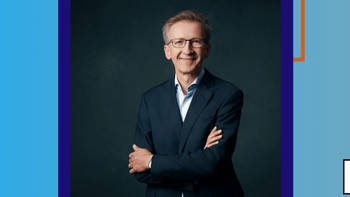
Steffen Lang, president, operations, executive committee member, Novartis, discusses the premise of a keynote session on reimagining operations.

In the final part of his video interview with Pharma Commerce Editor Nicholas Saraceno, Colin Banas, MD, DrFirst’s chief medical officer, shares his thoughts on the rumors that RFK Jr. could potentially ban DTC advertising.
In the first part of his video interview with Pharma Commerce Editor Nicholas Saraceno, Chris O’Dell, Turquoise Health’s SVP of market solutions, outlines the key provisions of the recently released executive order on healthcare price transparency.
In the second part of her video interview with Pharma Commerce Editor Nicholas Saraceno, Rachel Thorpe, executive director at the Otsuka Patient Assistance Foundation, lays out the ways to begin transitioning a foundation.
In the second part of her video interview with Pharma Commerce Editor Nicholas Saraceno, Kimberly Westrich, chief strategy officer at the National Pharmaceutical Council, describes how accumulators, maximizers, and AFPs are impacting patients, manufacturers, and healthcare ecosystems, and how that all ties into the presentation she participated in.
In the third part of his video interview with Pharma Commerce Editor Nicholas Saraceno, Colin Banas, MD, DrFirst’s chief medical officer, uncovers the main reasons why 52% of respondents choose DTC online prescription platforms.
In the second part of his video interview with Pharma Commerce Editor Nicholas Saraceno, Colin Banas, MD, DrFirst’s chief medical officer, explains the rise in patients turning to DTC platforms following insurance denials.
In the first part of her video interview with Pharma Commerce Editor Nicholas Saraceno, Rachel Thorpe, executive director at the Otsuka Patient Assistance Foundation, describes the various conference sessions that she participated in.