In the fourth part of his Pharma Commerce video interview, Murray Aitken, executive director, IQVIA Institute for Human Data Science, outlines what he anticipates for the biosimilar adoption curve in key markets moving forward.
In the fourth part of his Pharma Commerce video interview, Murray Aitken, executive director, IQVIA Institute for Human Data Science, outlines what he anticipates for the biosimilar adoption curve in key markets moving forward.
In the third part of his Pharma Commerce video interview, Sean O’Hearen, founder and principal consultant at 1st Line Partners, recommends regulatory or verification mechanisms that can help safely legitimize online medicine procurement.
In the second part of his Pharma Commerce video interview, Sean O’Hearen, founder and principal consultant at 1st Line Partners, explains how the private sector should strategically support and scale efforts to ensure that HCPs globally receive substandard and falsified medicine detection training.
In the third part of his Pharma Commerce video interview, Murray Aitken, executive director, IQVIA Institute for Human Data Science, explains the strategies that manufacturers should adopt to balance investment in innovation with lifecycle management.
In the first part of his Pharma Commerce video interview, Sean O’Hearen, founder and principal consultant at 1st Line Partners, lays out the systemic gaps in medical and pharmacy education that need to be addressed, along with how academic and clinical institutions can accelerate awareness training in identifying substandard and falsified medicines.
In the second part of his Pharma Commerce video interview, Murray Aitken, executive director, IQVIA Institute for Human Data Science, suggests how pharma companies should revise their market access and pricing models to align with the evolving landscape.
In the first part of his Pharma Commerce video interview, Murray Aitken, executive director, IQVIA Institute for Human Data Science, describes the process behind developing the “Global Use of Medicines Outlook Through 2029” report.
In the final part of his Pharma Commerce video interview, Marschall Runge, MD, PhD, dean of the University of Michigan Medical School and author of The Great Healthcare Disruption, details the role that academic medical centers play in shaping Medicaid policy.
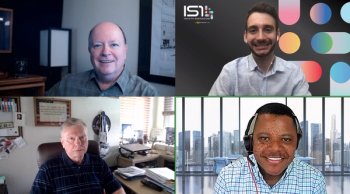
In the third part of this roundtable discussion, a panel of thought leaders explore the value of serialization, data sharing, and predictive analytics in identifying potential quality issues before they arise.
Bruce Leuchter, CEO, Neurvati, explains how industry and advocacy groups can work together to ensure patient and caregiver perspectives continue to inform regulatory decisions—even without a formal public engagement pathway.
In the second part of his Pharma Commerce video interview, Marschall Runge, MD, PhD, dean of the University of Michigan Medical School and author of The Great Healthcare Disruption, outlines how the federal cap on Medicaid provider taxes could affect access to care for Medicaid patients.
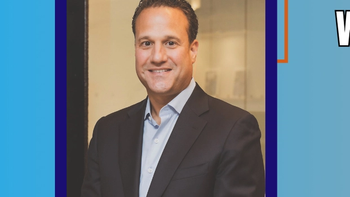
Bruce Leuchter, CEO, Neurvati, explains why aligning drug development with patient-reported outcomes is key to demonstrating value and achieving payer alignment in the rare disease space.
Bruce Leuchter, CEO, Neurvati, discusses why patient engagement is essential to understanding rare diseases and driving the development of breakthrough therapies.
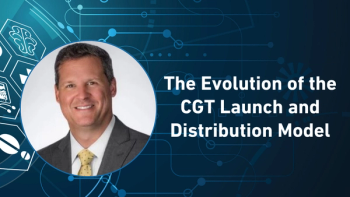
In the final part of his Pharma Commerce video interview, Mark Sawicki, PhD, Cryoport Systems’ president and CEO, predicts how he anticipates the model growing over the next three to five years, especially as global demand and regulatory complexities increase.
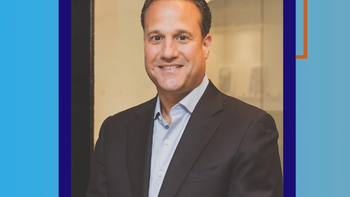
Bruce Leuchter, CEO, Neurvati, discusses the vital role of public participation in healthcare policy, highlighting how patient and caregiver insights shape drug development, regulatory decisions, and payer considerations in rare diseases.
In the fourth part of his Pharma Commerce video interview, Mark Sawicki, PhD, Cryoport Systems’ president and CEO, explains the lessons pharma leaders in traditional therapeutic areas can learn from CGT’s highly specialized operational strategies, particularly in terms of supply chain resilience and adaptability.
In the second part of this roundtable discussion, a panel of key opinion leaders dive into the key risk factors impacting the pharma manufacturing space, and how the industry should aim to address them.
In the third part of his Pharma Commerce video interview, Mark Sawicki, PhD, Cryoport Systems’ president and CEO, describes to what extent he believes artificial intelligence should be used at this particular point in time.
In the second part of his Pharma Commerce video interview, Mark Sawicki, PhD, Cryoport Systems’ president and CEO, explains how recent shifts in FDA leadership, funding constraints, and evolving CMC standards have each played a role in this process.
In the first part of his Pharma Commerce video interview, Mark Sawicki, PhD, Cryoport Systems’ president and CEO, discusses both the successes and challenges in commercializing cell and gene therapies.

Sponsored
Leading stakeholders in the industry react to how evolving US policies, payer demands, and vertical integration are reshaping market access strategy, stressing the importance of early planning and the urgency of ensuring that innovative therapies are available and affordable for patients.
In the first part of this roundtable discussion, a panel of subject matter experts introduce themselves, while discussing the strategies that are most effective in ensuring resilience across the global supply chain.
In the third part of her Pharma Commerce video interview, LeAnn Boyd, Liviniti’s founder and CEO, explains how a flat admin fee model can potentially create more value for both payers and patients.
In the second part of her Pharma Commerce video interview, LeAnn Boyd, Liviniti’s founder and CEO, discusses how this MFN executive order can affect players in the space that operate under a rebate-driven PBM model.
In the first part of her Pharma Commerce video interview, LeAnn Boyd, Liviniti’s founder and CEO, outlines the most critical root causes of rising healthcare and drug costs that the MFN executive order doesn’t address.
In the third part of her Pharma Commerce video interview, Kirsten Newquist, Identiv’s CEO, shares the ways in which regulations, including DSCSA, are impacting the adoption of smarter packaging technologies across the industry.
In the second part of her Pharma Commerce video interview, Kirsten Newquist, Identiv’s CEO, describes why this technology is essential for pharmaceutical safety and efficacy.
In the first part of her Pharma Commerce video interview, Kirsten Newquist, Identiv’s CEO, defines the term, and explains how it is helping to combat the growing threat of counterfeit drugs in today’s global supply chain.
In the final part of her Pharma Commerce video interview, Maggie McCullough, PolicyMap’s CEO, illustrates how data-driven insights can support PBMs and healthcare leaders in negotiating fairer drug prices?
In the third part of her Pharma Commerce video interview, Maggie McCullough, PolicyMap’s CEO, comments on how mobile and digital solutions can be deployed effectively to close the gap in areas identified as pharmacy deserts.