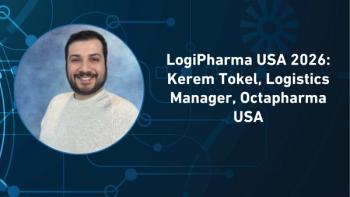
Octapharma USA's Kerem Tokel explains how product value and supply risk should shape freight security, and why complacency remains a persistent gap.
In the final installment of his interview with Pharmaceutical Commerce, Cencora's Gregg Gorniak looks back at DSCSA's five-year evolution and where serialized data is creating value beyond compliance.
Five years ago, exchanging serialized pharmaceutical data at scale was still a distant goal for most of the industry. Today, it is the operational backbone of DSCSA compliance, according to Gregg Gorniak, vice president, manufacturer operations and data services and secure supply chain lead at Cencora. Speaking with Pharmaceutical Commerce as part of PC's coverage of
Gorniak traces the shift from 2021, when almost no one was exchanging serialized data, to the run-up to the original 2023 DSCSA deadline, when Cencora was receiving usable data from only about 30% of its manufacturer partners, to today, when inbound and outbound serialized data exchange sits close to complete.
With that foundation in place, Gorniak points to where compliance is now paying dividends beyond the letter of the law. Recall management and tracing requests that once took significant manual effort can now be resolved within minutes, with a full chain of custody available on demand for a board of pharmacy, state regulator or FDA auditor. He also points to network-level visibility as an emerging use case, letting Cencora identify recurring issues tied to a specific upstream or downstream partner, a 3PL or a CMO, using data rather than anecdote.
Gorniak's closing point is simple. A year into full DSCSA operation, the industry isn't done. He says the work now is refining what's already in place, making traceability data more accurate and more useful day to day.
Watch the previous installments of Gorniak’s interview with PC: