
As HRSA's 340B Rebate Model Pilot moves toward its effective date, Valerie Bandy, PharmD, of Tecsys explains what drug-by-drug rebate tracking really demands from hospital and health system pharmacies.
Will Shrank, MD, explains the main hurdles to specialty therapy access, and what will impact the market over the next few years.
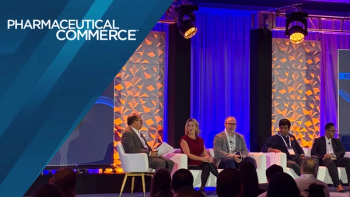
In the final part of Pharmaceutical Commerce’s conversation with Will Shrank, MD, co-founder and CEO of Aradigm Health, live at
Shrank points to provider reimbursement uncertainty as one of the most significant barriers delaying patient access. He explains that providers often must purchase therapies upfront through buy-and-bill models without knowing exactly what reimbursement they will receive through single case agreements, creating cash flow and sustainability challenges. According to Shrank, this unpredictability can make providers more hesitant to invest in the infrastructure and operational capabilities needed to consistently deliver advanced therapies, ultimately contributing to uneven patient access.
Looking ahead, Shrank says FDA policies supporting rare disease and cell and gene therapy development could have one of the biggest long-term impacts on market access. He highlights the agency’s efforts to create regulatory flexibility around development and manufacturing platforms, stating policies supporting more efficient manufacturing could help lower costs and improve the sustainable delivery of these therapies to patients over time.
Watch the previous installments of Shrank’s interview with PC: