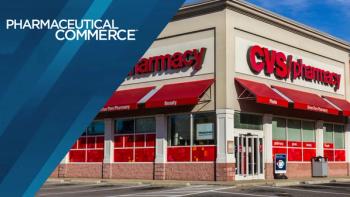
The deal mirrors Cigna's settlement earlier this year and resolves litigation dating to the FTC's 2024 insulin-pricing case.
The mechanics matter for market access. TrumpRx.gov sends cash-pay customers to drugmaker websites for discounted drugs but has operated outside of insurance, limiting its value for consumers with deductibles. Caremark must also offer clients an option to opt out of rebate payment models, and offer to reimburse independent pharmacies at acquisition cost plus a fee. The company also said it will and cap insulin out-of-pocket costs at $25 per month. For manufacturers and plan sponsors, it signals that cash-pay discount channels and traditional benefit design are starting to converge.1
Next, Europe's largest drug market just tightened the screws on branded pricing, and the fallout runs all the way to Washington.
German lawmakers approved a sweeping health insurance reform that more than doubles the mandatory rebate drugmakers pay on patented medicines, with most provisions taking effect January 1, 2027. The fixed manufacturer rebate on branded drugs rises from 7% to 15.5%, and an earlier proposal for a variable, expenditure-linked rebate was dropped following industry pressure.German Health Minister Nina Warken said the law finally "created the basis for stable finances" in the country's statutory health insurance system, which faces a projected deficit of 15.3 billion euros in 2027.
Drugmaker Merck, and others, pushed back, calling the law a "hard blow to Germany's pharmaceutical sector."In the months leading up, global drugmakers applied a pressure campaign modeled on their recent success in the UK, where the government agreed to increase medicine spending as part of a deal tied to avoiding US tariffs. The campaign won a partial concession with the fixed rebate, but it did not stop the law.By cutting what it pays for patented drugs, Germany widens the gap between US and European prices, the same gap at the center of the Trump administration's most-favored-nation push. Layered on top of a US Section 301 investigation into German drug pricing opened in June, prices, tariffs, and manufacturing investment are increasingly negotiated together, giving companies one more reason to weigh US capacity.
Lastly, the FDA opened July with a proposed rule to modernize how certain manufacturing facilities register. The centerpiece would let distributed, hub-and-spoke operations, where a network of units makes the same product under shared quality oversight, register as a single establishment rather than filing separately for each unit. In exchange, companies would have to notify the agency before relocating any unit. Michael Davis, acting director of the FDA's Center for Drug Evaluation and Research, said the changes would help manufacturers "operate efficiently" while giving the FDA "a clearer, more accurate picture of how and where drugs are being made."
The rule carries a supply chain angle too. Foreign facilities that make APIs and components solely for other foreign manufacturers would now have to register with the FDA, closing a gap that has limited visibility into the upstream supply chain and adding traceability paperwork for companies sourcing materials internationally.
That's it for this episode of Pharma Pulse. For more insights on trends transforming pharmaceutical access, visit pharmaceuticalcommerce.com. Thanks for listening—until next time, stay well and stay informed.
You can catch Pharma Pulse directly on Audioboom, Spotify, or iHeart.
Reference
1. Niasse, A, and Godoy, J. Reuters. CVS settles with FTC, agrees to count TrumpRx drug purchases towards insurance. Published July 14, 2026. https://www.reuters.com/world/cvs-settles-with-ftc-agrees-count-trumprx-drug-purchases-towards-insurance-2026-07-14/