
Waltz Health and Fresenius Kabi will offer three biosimilars through a direct-to-payer model that bypasses traditional wholesaler and PBM rebate channels.
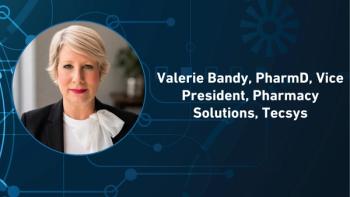
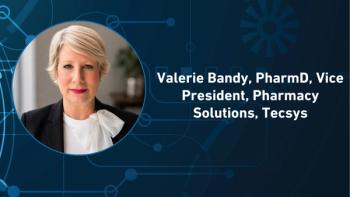
Deanna Horner, EVP of Enterprise DIRECT Strategy at EVERSANA, breaks down what's fueling pharma's embrace of direct-to-patient models.
The direct-to-patient (DTP) channel has moved from experimental to commercially essential in recent years, with a widening roster of manufacturers building the infrastructure to sell, ship, and support therapies without routing through traditional distribution channels. Market analysts peg the US DTP space to grow at an 11.7% CAGR through 2033, with pharmaceutical manufacturers expected to capture roughly half that market this year.1
The manufacturers involved span some of the industry's largest players: fifteen of the seventeen major manufacturers the Trump administration approached on drug pricing — including Amgen, Boehringer Ingelheim, Bristol Myers Squibb, Genentech, Novartis, Pfizer, AstraZeneca, Eli Lilly, and Novo Nordisk — have struck
One of the clearer examples of that shift so far is in cardiometabolic care, where DTP platforms have cut list prices for GLP-1 therapies like Wegovy and Zepbound from more than $1,000 a month to as little as $299–$499 through manufacturer-run.3 Increasingly, those platforms aren't staying product-specific; several are expanding beyond their flagship drugs, suggesting DTP is becoming a durable commercial channel rather than a one-off workaround.
What's less settled is why continued focus on DTP is happening now, and whether it's commercial strategy, patient need, or something else entirely, pulling manufacturers toward direct models. Deanna Horner, executive vice president of Enterprise DIRECT Strategy at EVERSANA, has a front-row view. She leads the company's direct commercial program, a system spanning
In the first installment of her interview with Pharmaceutical Commerce, Horner explains why the drivers of DTP adoption are twofold. Commercial pull, she says, is the primary accelerator, as manufacturers recognize that traditional channels can leave some members in their addressable patient populations "invisible,” undiagnosed, or unable to self-navigate into care. But