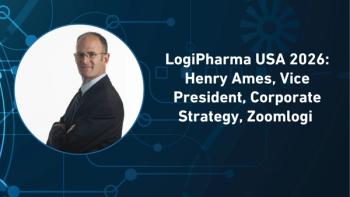
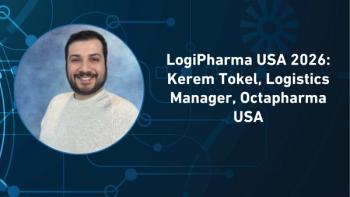
Octapharma USA's Kerem Tokel explains how product value and supply risk should shape freight security, and why complacency remains a persistent gap.
Cardinal Health's Liberty Dewey outlines the four parallel work streams driving the NDC-12 transition, and why the biggest risk sits in trading partner handoffs rather than any single system.
No single organization will steer the industry's move to 12-digit National Drug Codes, according to Liberty Dewey, manager, DSCSA at Cardinal Health. Instead, leadership will come from across the supply chain, including the FDA, manufacturers, trade associations and industry standards bodies.
Pharmaceutical Commerce spoke with Dewey ahead of her session at
Dewey breaks the transition into four work streams running in parallel. The first is data and system remediation, requiring every organization that stores, displays or processes the NDC in any format to review its systems for embedded assumptions about format and length. The second covers product labeling and barcode changes, with manufacturers responsible for updating packaging, artwork and barcode implementations while downstream partners prepare to receive them. The third is trading partner synchronization, which Dewey argues cannot be executed organization by organization, since a single break in the chain can disrupt the entire workflow. The fourth is coordinated industry testing across ordering, inventory, dispensing, claims, reimbursement, returns and reporting platforms.
The greatest implementation risk, Dewey says, sits in the handoffs between organizations rather than inside any individual system, which is why she is watching for whether the industry builds a common governance structure comparable to what emerged under DSCSA. She points to the frequent Y2K comparison as a reflection of
Watch the previous installment of Dewey’s interview with PC: