




Pricing
Latest News
Advertisement
Latest Videos




Podcasts
Advertisement
More News

Amber Hussain-Siddique says operational discipline in inventory and logistics is the vital, yet overlooked, key to sustaining low-cost generic drug supplies in the U.S.
In today’s Pharma Pulse, Eli Lilly calls for the U.K. government to overhaul its drug pricing framework and the FDA approves Ponlimsi.
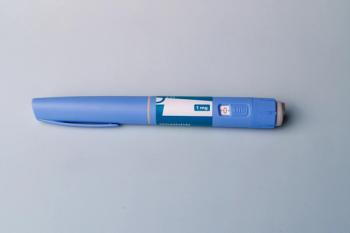
New Benefit 360 and Direct Fund models aim to bridge the gap between clinical eligibility and employer-sponsored coverage.
In today's Pharma Pulse, the NCPA warns of a severe cash flow crisis for independent pharmacies under the Medicare Drug Price Negotiation Program, while Norgine commits sixty-seven million dollars to modernize its UK manufacturing hub.

A guide to how the IRA is reshaping Medicare Part D, price negotiations, manufacturer liability, and pharmacy operations, along with what it means for access, adherence, and commercial strategy.
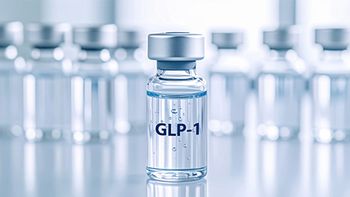
From new formulations and vial formats to retailer expansion and pricing pressure, evolving GLP-1 strategies are transforming distribution models, reimbursement dynamics, and long-term supply planning.
In the final part of his Pharma Commerce video interview, John Stanford, Incubate’s executive director, argues that while Medicare price controls may reduce federal spending, they have yet to meaningfully improve patient access—contending that true reform must address insurance design, out-of-pocket costs, and the long-term impact on life sciences innovation and investment.

The company is significantly lowering the US list prices for its popular weight loss and diabetes GLP-1 drugs, signaling a broader shift in pricing strategy as competition intensifies and access pressures grow.
In the second part of his Pharma Commerce video interview, John Stanford, Incubate’s executive director, points out how uneven Medicare negotiation timelines between small molecules and biologics are influencing R&D and venture funding decisions, according to biotech investors advocating for legislative changes.
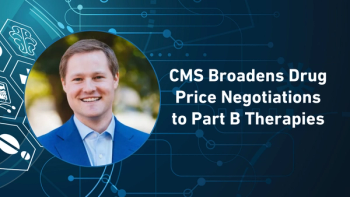
In the first part of his Pharma Commerce video interview, John Stanford, Incubate’s executive director, explains how third round of CMS drug selections brings physician-administered medicines under price controls for the first time, intensifying debate over provider reimbursement and investment in small-molecule therapies.

A 2026 industry survey finds mounting pressure from PBMs, federal pricing reforms, and compliance scrutiny, as manufacturers increase automation and AI investment to manage expanding gross-to-net exposure.
The GLP-1 landscape continues to evolve in both delivery formats and affordability.
In today’s Pharma Pulse, bipartisan lawmakers target PBM vertical integration, while pharma giants race to secure tariff-exempt pricing deals.

Companies not included in the initial round are now pursuing their own agreements amid concerns over levies, Medicare pilot programs, and future price-setting policies.

SQ Innovation’s at-home furosemide injection for heart failure–related edema is now available through two of the Big Three drug wholesalers and covered under a Medicaid rebate agreement, expanding access for hospitals, pharmacies, and eligible patients.

TrumpRx is meant to reduce drug costs, but Americans are wondering how it works and what impact it will have.
In today’s Pharma Pulse, TrumpRx officially goes live, while Novo Nordisk prepares to take the oral version of Wegovy to the biggest stage in advertising.

The new platform offers coupon-driven discounts on dozens of high-cost brand name drugs, while raising new questions about eligibility, access, and how savings are applied.

The commercial PBM model is confronting structural strain as market forces—not regulation—begin to expose the fragility of high-rebate pricing economics.

CMS’s Globe and Guard models extend MFN pricing into Medicare Part B and Part D, signaling a sweeping shift in US drug pricing policy.
In today’s Pharma Pulse, the biopharma landscape enters a transformative phase as the US signs landmark PBM reforms into law, while Novartis braces for the largest patent expiration cycle in its history.
In today’s Pharma Pulse, HHS issues guidance for manufacturer-direct drug discounts, while clinical data warns of significant weight regain after stopping tirzepatide and semaglutide.

For the first time, CMS has released negotiated prices for high-cost drugs covered under both Medicare Part D and Part B, naming 15 new negotiation targets and signaling continued efforts to rein in prescription drug spending.

How direct-to-patient programming can transform the prescription journey for patients and manufacturers alike.

The company’s latest preview report projects a guarded rebound for biopharma, as investor confidence returns and M&A activity accelerates.
Advertisement
Advertisement
Trending on Pharmaceutical Commerce
1
The PBM Entity No Pharmaceutical Company Directly Contracted With
2
FAQ: What's Next for Pharma Traceability After DSCSA
3
Q&A: Inside the NDC-12 Transition
4
Pharma Pulse: Independent Pharmacies Sue Express Scripts, Novo Taps Anthropic, Pharma Joins Clean Heat
5