
CSafe's Aaron Mantia explains how lane, temperature range, duration and product cost shape thermal protection choices for bulk air cargo.
CSafe's Aaron Mantia explains how lane, temperature range, duration and product cost shape thermal protection choices for bulk air cargo.
At LogiPharma USA 2026, Swisslog's Garrett Freeman explains how automation cuts human touches, enforces quarantine and consolidates cold storage.
PAXAFE's Mark Talens explains why real-time visibility starts with process redesign and how it speeds cold chain disposition decisions.
At LogiPharma USA 2026, Cold Chain Technologies' Anthony "TJ" Rizzo discusses cold chain expertise gaps and how data tools are reshaping the profession.
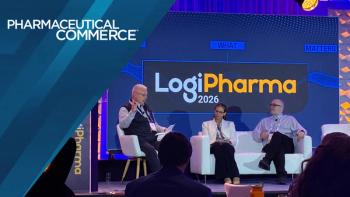
AI is starting to resolve shipment exceptions and flag demand shifts, but early deployments show that connected data and context come first and that accountability stays with people.
Zoomlogi's Henry Ames explains how AI agents and digitized SOPs help quality managers decide on quarantine or release after a cold chain excursion.
At LogiPharma USA 2026, Cold Chain Technologies' Vijay Paliwal explains how predictive monitoring and right-sized packaging cut excursion risk and waste.
Zoomlogi’s Henry Ames says exception handling still hinges on experienced staff, and AI agents could gather and document details for their judgment calls.
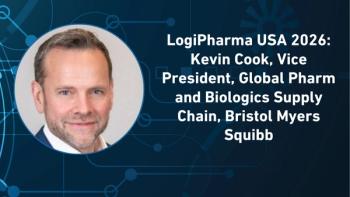
At LogiPharma USA 2026, BMS’s Kevin Cook explains why CMO partnerships must move beyond transactions toward shared goals and KPIs.
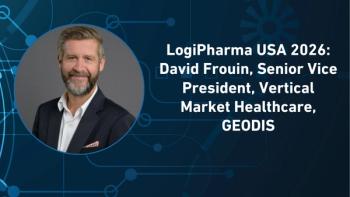
GEODIS' David Frouin explains why quick packaging qualification, backups on every lane and actionable IoT data underpin cold chain resilience.
Cencora's Matt Sample explains how AI compares forecasts with ordering patterns to flag pharma demand shifts early, with 10% forecasting gains.
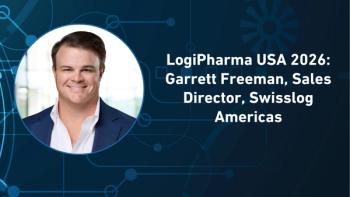
At LogiPharma USA 2026, Swisslog's Garrett Freeman explains why validation, change management and stakeholder alignment now drive automation projects.
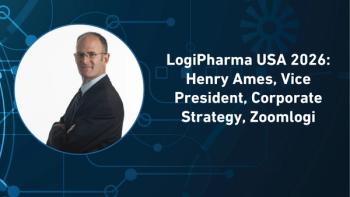
Zoomlogi's Henry Ames explains how AI agents are resolving supply chain exceptions, from unlinked IoT trackers to after-hours escalation calls.
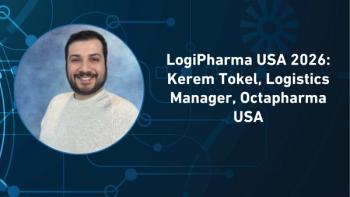
Octapharma USA's Kerem Tokel explains how product value and supply risk should shape freight security, and why complacency remains a persistent gap.
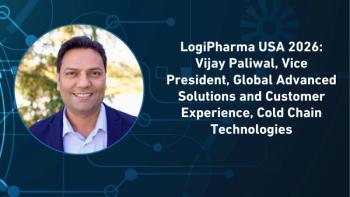
At LogiPharma USA 2026, Cold Chain Technologies' Vijay Paliwal explains how manufacturers should choose between reusable, single-use and active packaging.
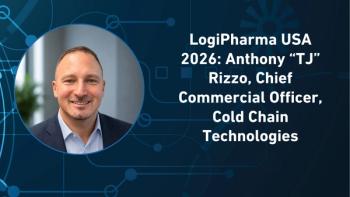
At LogiPharma USA 2026, Cold Chain Technologies' TJ Rizzo explains how gaps in end-to-end cold chain expertise create risk for advanced therapies.
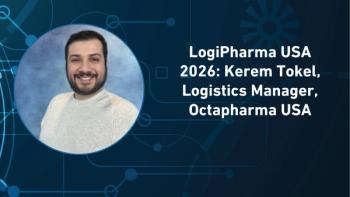
Octapharma USA's Kerem Tokel explains how tariffs and DSCSA are affecting how stolen pharma loads are resold, and why partner SOPs matter.

At LogiPharma USA 2026, Mark Talens explains where pharma gains the most from shared distribution visibility.
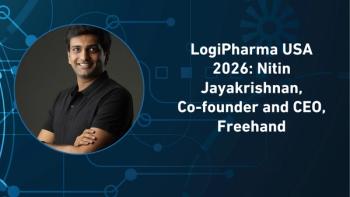
Freehand CEO Nitin Jayakrishnan explains why pharma manufacturers are trading long-term plans for operating models built to sense and pivot.
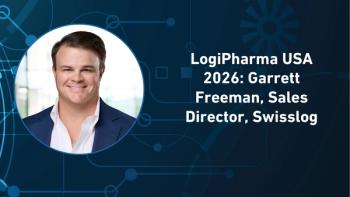
At LogiPharma USA 2026, Swisslog's Garrett Freeman explains how onshoring, geopolitical risk and a shifting product mix are driving supply chain automation.
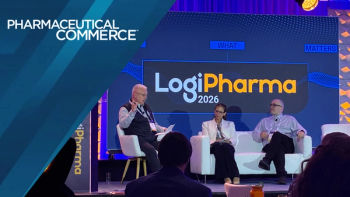
At LogiPharma USA 2026, quality leaders explained why connected data, risk-based prioritization, and human accountability must come before AI in supply chain compliance.
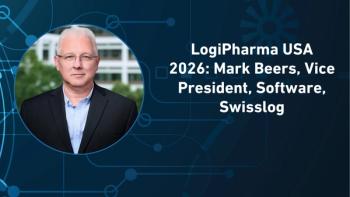
Swisslog's Mark Beers discusses how software helps pharma supply chains adapt to shifting portfolios, strengthen inventory verification and build trust.
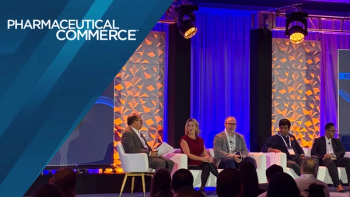
At LogiPharma USA 2026, leaders from J&J, Sun Pharma, Accord Healthcare, and Freehand discussed visibility, redundancy tradeoffs, and AI's role in resilient pharma supply chains.
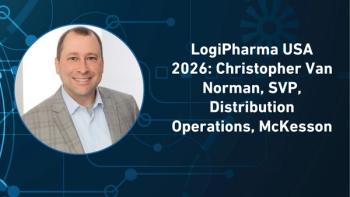
McKesson's Chris Van Norman previews his LogiPharma USA keynote on demand signal sharing, AI, and precision distribution for targeted therapies.

LogiPharma's Charleen Ring and McKesson's Chris Van Norman preview the 2026 agenda, sessions to prioritize and a day two fireside chat.
Informa's invitation-only Leadership Summit returns to CPHI Milan Oct. 6 as executives weigh sourcing, medicine security and reshoring pressure.

Liberty Dewey of Cardinal Health breaks down the NDC-12 transition timeline, the four work streams driving it and why the biggest risk sits in trading partner handoffs.
Go behind the scenes of LogiPharma USA 2026 with program director Charleen Ring and McKesson's Chris Van Norman in this Pharma Pulse special.
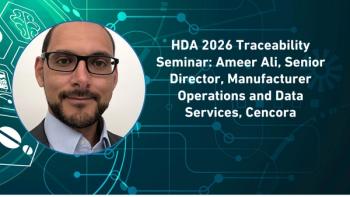
In the final installment of his interview with Pharmaceutical Commerce, Cencora's Ameer Ali outlines how supply chain stakeholders should prepare systems, processes and trading partners for the shift to NDC-12.

In the final installment of his interview with Pharmaceutical Commerce, Cencora's Gregg Gorniak looks back at DSCSA's five-year evolution and where serialized data is creating value beyond compliance.