HDA's Kala Shankle unpacks the biggest open question on preemption and offers a two-step playbook for wholesalers and 3PLs preparing for national licensure.
HDA's Kala Shankle unpacks the biggest open question on preemption and offers a two-step playbook for wholesalers and 3PLs preparing for national licensure.
Cardinal Health's Liberty Dewey outlines the four parallel work streams driving the NDC-12 transition, and why the biggest risk sits in trading partner handoffs rather than any single system.
Cencora's Ameer Ali explains why trading partners' systems, not the NDC-12 deadline itself, determine whether product keeps moving through the supply chain during the transition.
Cencora's Gregg Gorniak on where DSCSA trading partners find shared value in compliance investment, and where that alignment breaks down.
McKesson's Scott Mooney discusses the technical and operational challenges of DSCSA compliance, from linking ERP systems to EPCIS to recurring friction in 340B transaction data exchange.
HDA's Kala Shankle says a two-year national licensure runway for distributors could work, but only if states, the FDA and industry move in parallel.
Cardinal Health's Liberty Dewey breaks down the NDC-12 transition timeline and the vendor, association and wholesaler support smaller pharmacies will need to get ready.
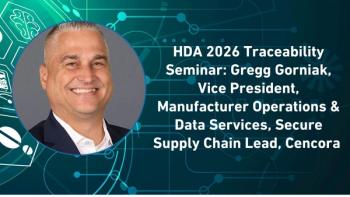
Cencora's Gregg Gorniak breaks down what separates basic DSCSA compliance from using it to streamline transactions and strengthen trading partnerships.
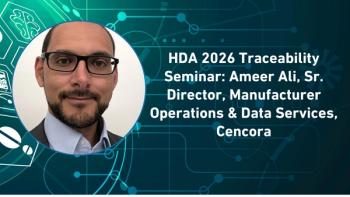
Cencora's Ameer Ali explains how the shift to NDC-12 is reshaping supply chain systems and why readiness still varies widely across manufacturers.
HDA's Kala Shankle explains what a national licensure standard could mean for wholesale distributors and 3PLs, and why its success depends on how much state-level variation remains.
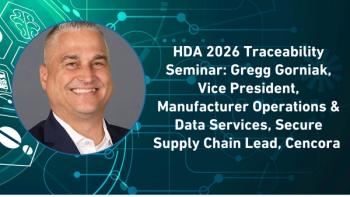
Ahead of HDA's 2026 Traceability Seminar, Cencora's Gregg Gorniak explains how AI and RFID are being used to catch DSCSA data gaps before trucks reach the dock.

Tommy Bramley explains how real-world evidence is reshaping how specialty pharma demonstrates value — from trial design to payer negotiations and patient outcomes.

Ben Sharples, LogiPharma event director, examines how life sciences organizations are adapting to AI in the supply chain, with expert testimony from LogiPharma partners.

Will Shrank, MD, explains the main hurdles to specialty therapy access, and what will impact the market over the next few years.
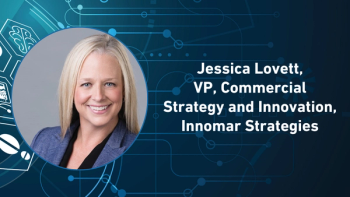
Jessica Lovett explains the importance of being connected to the broader access ecosystem and how leveraging partnerships that can provide global insight and intelligence.
Tommy Bramley breaks down the benefits of incorporating real world evidence and data early into a product's lifecycle.
Live from Asembia AXS26, Kim Plesnarski shares what a best-in-class reimbursement and support model looks like.

Bill McElnea and Hinal Sharma discuss how the role of a specialty pharmacy will evolve in the next few years.
Live from Asembia AXS26, Austin Russian examines how specialty therapy launches are evolving.
Jennifer Lospinoso shares how cell and gene therapy access models differ from normal specialty medications, and how the market will adapt in the next five years.

Will Shrank, MD, explains how the specialty pharma pipeline could pose access risks in the future.
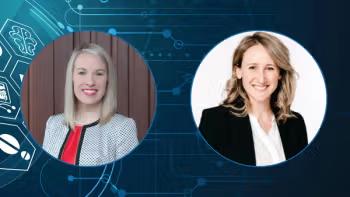
Miranda Delatore and Megan Wetzel share their outlook on the future of specialty pharmacy.
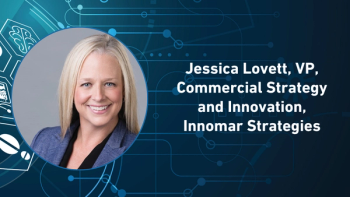
Jessica Lovett discusses specialty pharma commercialization timelines, and how the Canadian market is different from the US.
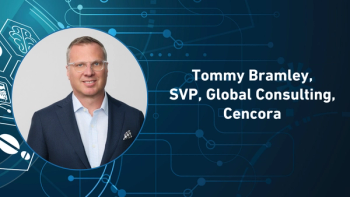
Tommy Bramley explains how real-world evidence can be leveraged to benefit patient outcomes in specialty pharma.
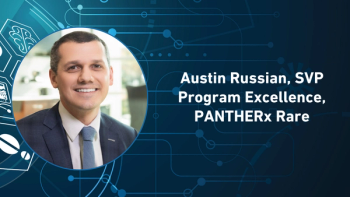
Live from Asembia AXS26, Austin Russian explains how access to rare disease treatments can be delayed.

Bill McElnea and Hinal Sharma discuss the evolving role of a specialty pharmacy.

Kieran Daly explains how adherence and proof of use strategies improve commercial outcomes and the patient experience in specialty pharma.
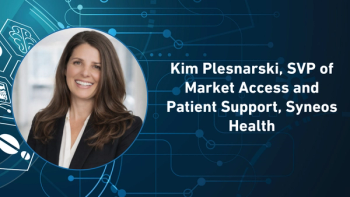
Kim Plesnarski explains what the biggest inefficiencies are in specialty pharma partnerships.
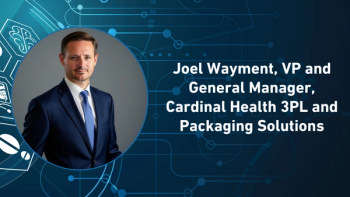
Joel Wayment discusses how the cold chain can be more sustainable.
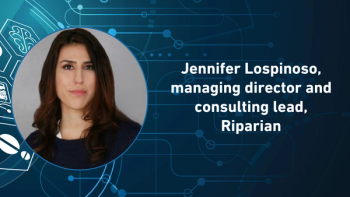
Jennifer Lospinoso explains how cell and gene therapies are reshaping specialty pharmacy commercialization.