
Lilly's Foundayo and Zepbound KwikPen are now available on GoodRx for self-pay access.
Lilly's Foundayo and Zepbound KwikPen are now available on GoodRx for self-pay access.

Laura Blair discusses what makes enrollment friction, and how the right balance of AI and human support can improve hub utilization and speed to therapy.
In this week’s Pharma Pulse, tariffs reshape drug supply, a fragile ceasefire tests global pharma, Wegovy goes higher-dose, and patients still can't get appointments fast enough.
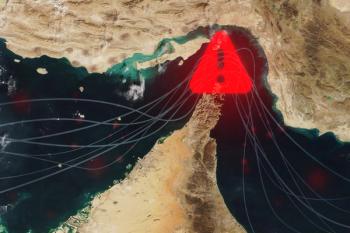
A 14-day US-Iran ceasefire is expected to ease pressure on the Strait of Hormuz, offering a reprieve for global pharma supply chains.
Laura Blair discusses how DTP models make manufacturers rethink traditional access and distribution strategies.
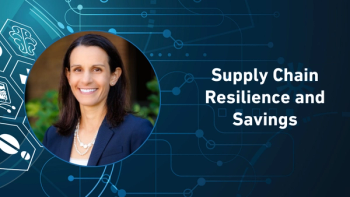
Emily Gallo explains how end-to-end visibility and data integration transform pharma supply chains from reactive cost centers into resilient assets.
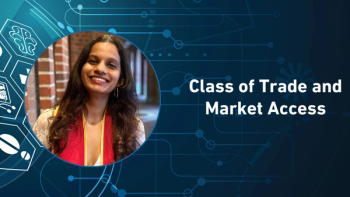
Manasi Salgaonkar examines how accurate class of trade research enables precise pricing, contract eligibility, and compliance.
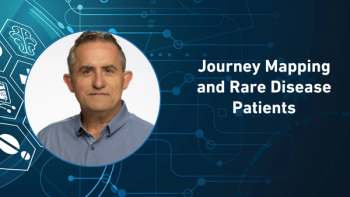
Anthony Bianciella explains how rare disease brands lose patients because journey maps prioritize prescribing intent over the complex, unfamiliar logistics of post-diagnosis access.
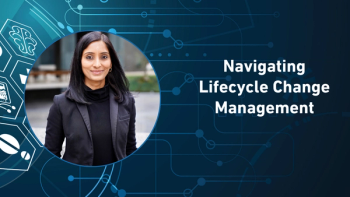
Post-approval changes are overwhelming pharma ops teams. Here's why lifecycle change management has become one of the industry's most consequential and overlooked operational risks.

Pharma companies could face 100% tariffs under new US rules, with relief available for those prioritizing onshore manufacturing or pricing concessions.
Emily Gallo, SVP of OptiFreight® Logistics at Cardinal Health, discusses how predictive analytics and actionable benchmarking bridge the data-to-decision gap in pharma logistics.
In today’s Pharma Pulse, Shionogi acquires global rights to the ALS treatment Radicava, and experts monitor drug supply chains as the U.S.-Iran conflict drives up logistics costs.
Michael Oleksiw says loneliness and behavior gaps drive prescription drop-offs, making early, personalized support critical to adherence.
In Pharma Pulse, Foundayo’s record 50-day FDA approval and the threat of pharmacy data consolidation to independent pharmacies.
Traci Miller, senior director of Access and Patient Support at Cardinal Health Sonexus, explains how hub data helps pharma companies shift from reactive firefighting to proactive access optimization.
Eli Lilly’s newest GLP-1, Foundayo (orforglipron), is the first FDA-approved weight loss pill that can be taken without food or water restrictions.
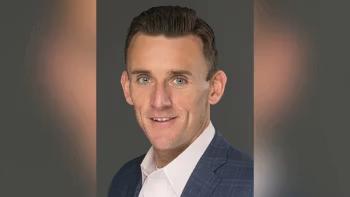
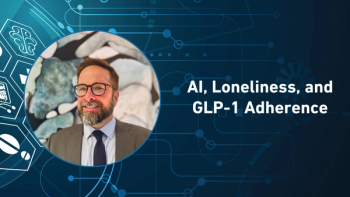
Pleio CEO Michael Oleksiw discusses how loneliness can affect GLP-1 patient adherence.
In today’s Pharma Pulse, Cold Chain Technologies sets a formal 2050 Net Zero goal to tackle the industry’s Scope 3 emissions, while a new Op/Ed highlights operational discipline as the vital driver for sustaining U.S. generic drug supplies.

CCT’s 2050 Net Zero goal will tackle Scope 3 emissions, which make up the majority of Pharma’s carbon footprint.
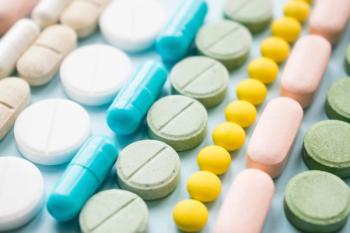
Amber Hussain-Siddique says operational discipline in inventory and logistics is the vital, yet overlooked, key to sustaining low-cost generic drug supplies in the U.S.
Digital tools are improving efficiency, but human engagement remains critical for patient support.
In today’s Pharma Pulse, Eli Lilly calls for the U.K. government to overhaul its drug pricing framework and the FDA approves Ponlimsi.
Corey Ford explains why the rise of biosimilars and specialty therapies requires a shift from universal support models to highly tailored strategies.
To fix America's drug shortages, pharma must look beyond manufacturing and overhaul how medicines are allocated and delivered to smaller hospitals.

Brightseed debuts a clinically validated AI platform to integrate life sciences innovation from discovery to commercialization
Nareda Mills explains why patient services teams are more than support, but strategic drivers for brands.

The facility addresses growing demand for GLP-1 medications and other temperature-sensitive pharmaceuticals.