
Anthony "TJ" Rizzo explains how modern tools are enabling more oversight and precision within the cold chain.
Anthony "TJ" Rizzo explains how modern tools are enabling more oversight and precision within the cold chain.

Identiv's ID-Safe portfolio expands NFC authentication and tamper detection to secure pharmaceutical supply chains against counterfeiting and fraud.

Ahead of LogiPharma Europe 2026, Richard Harrop explains why packaging must be more patient-centric.
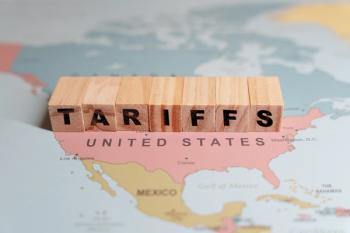
Pharma importers can apply for tariff reimbursements through the US Customs and Border Protection’s online portal.

Lilly’s $7B deal for Kelonia aims to turn complex cell therapy into a simple injection, bypassing the slow, costly lab work of current cancer treatments.

President Trump signed an executive order to fast-track FDA review of psychedelic therapies for mental health conditions.
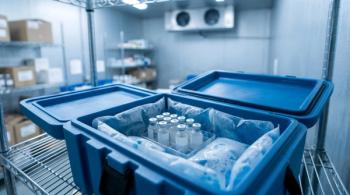
Anthony “TJ” Rizzo shares his outlook on the future of pharma cold chain technology.
Fran Gregory, VP of Emerging Therapies at Cardinal Health, discusses key findings from the company's 2026 Advanced Therapy Report.

Charley Maxwell explains why Annex 21 is not just a regulatory hurdle, but a key commercial risk point.

Roel van den Akker examines how the industry might evolve its trade, distribution, and payer strategies to scale GLP-1s for mass demand.

Anthony “TJ” Rizzo explains what makes an effective supply chain partnership, and how tech can be deployed alongside human experience.
In today’s Pharma Pulse, Walgreens reshapes pharmacist roles, pharmacies expand injectable access, GoodRx and Eli Lilly broaden GLP-1 access, radiopharma investment grows, and AbbVie signs a $745 million Haisco licensing deal.
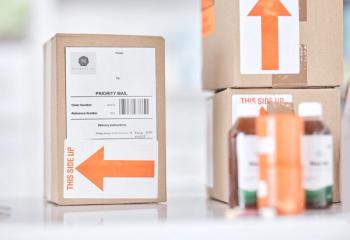
Richard Harrop shares how pharma can strike a balance between performance, sustainability, and resilience in packaging design.

Seamus Keane discusses resilient supply chain design ahead of his panel at LogiPharma 2026.

Ahead of his presentation at LogiPharma 2026, Anthony “TJ” Rizzo discusses how automation and real-time monitoring can be deployed in supply chains.

Roel van den Akker evaluates how blockbuster GLP-1s may shift broader commercialization trends.

In a Q&A, Traci Miller discusses the evolving role of hub services as well as their commercial value.
Jessica Ledesma explores how hospital pharmacies are adopting autonomous cold storage to protect high-value medications.
Laura Blair explains why streamlining the patient journey via and simpler tools help ensure adherence from the point of prescription.
Mastering the PSMF is critical for inspection readiness, as it provides regulators an early look at your pharmacovigilance system's compliance.

Lilly's Foundayo and Zepbound KwikPen are now available on GoodRx for self-pay access.

Laura Blair discusses what makes enrollment friction, and how the right balance of AI and human support can improve hub utilization and speed to therapy.
In this week’s Pharma Pulse, tariffs reshape drug supply, a fragile ceasefire tests global pharma, Wegovy goes higher-dose, and patients still can't get appointments fast enough.
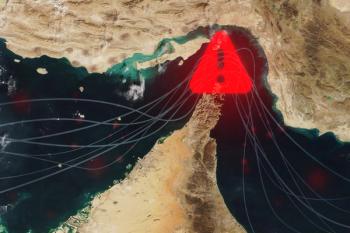
A 14-day US-Iran ceasefire is expected to ease pressure on the Strait of Hormuz, offering a reprieve for global pharma supply chains.
Laura Blair discusses how DTP models make manufacturers rethink traditional access and distribution strategies.
Emily Gallo explains how end-to-end visibility and data integration transform pharma supply chains from reactive cost centers into resilient assets.

Manasi Salgaonkar examines how accurate class of trade research enables precise pricing, contract eligibility, and compliance.

Anthony Bianciella explains how rare disease brands lose patients because journey maps prioritize prescribing intent over the complex, unfamiliar logistics of post-diagnosis access.


Pharma companies could face 100% tariffs under new US rules, with relief available for those prioritizing onshore manufacturing or pricing concessions.