News|Videos|November 27, 2026
Executive Conversations: What Determines Where Patients Receive Complex Therapies?
In Episode 3, Part 3, Nick Calla, Benjamin Dean and Ray Tancredi weigh what should determine the optimal site of care, from clinical needs to economics.
Advertisement
The third episode of Executive Conversations: The Future of Pharmaceutical Commercialization, presented by Pharmaceutical Commerce, turns to what should determine the optimal site of care. Cheryl Allen, partner at Curatio Advisors, moderates the discussion with Nick Calla, senior vice president of industry relations at Orsini Specialty Pharmacy; Benjamin Dean, head of business development at FuzeRx; and Ray Tancredi, executive vice president of trade relations at Asembia.
Asked whether it's the therapy, patient preference, clinical capabilities, payer requirements, economics or a combination, Calla says the answer is all of the above. Many targeted therapies are extremely expensive, so any site of care has to be able to handle that kind of drug. Some cell and gene therapies are cryogenic and can't go to a patient's home, he says. They need a site that can handle that complexity, though not necessarily a hospital or health system. Other expensive products are less onerous to store and can be administered at home, as long as the product is there and any nursing component is coordinated.
Dean says there will always be complex therapies that need their own infrastructure, but much of the emerging growth in specialty and branded therapies involves large patient populations. That means understanding where patients are in their journey when they're introduced to a therapy. Some patients come together in communities looking for insights about their symptoms, sometimes before a diagnosis, he says, giving manufacturers an opportunity to start a conversation and learn from them.
Tancredi says clinical requirements always come first, followed by patient convenience and then economics. The industry has those covered, he says, and the next question is how to create a connected solution.
Catch every episode of
The views expressed by the participants are their own and do not necessarily reflect those of the organizations they work for.
Advertisement
Related to this article
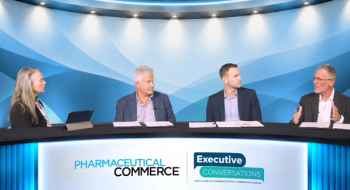
In Episode 3, Part 2, Ray Tancredi, Nick Calla and Benjamin Dean explain why health systems are growing as a channel and what that means for data visibility.
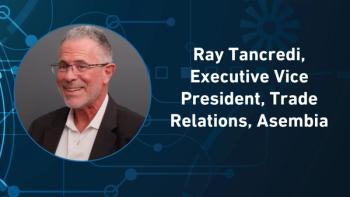
Asembia's Ray Tancredi explains why manufacturer and specialty pharmacy trade talks now center on getting patients on therapy.
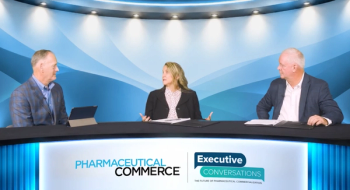
In Episode 1, Part 4, Jon Hamrick, Rena Goins and Bob Cochran explain what separates trade teams seen as strategic partners from those that aren't.
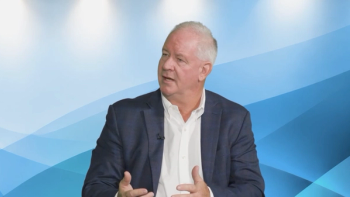
In Episode 1, Part 3, Jon Hamrick, Rena Goins and Bob Cochran explain why specialty networks should start small and how to balance access, data and support.
In Episode 1, Part 2, Jon Hamrick, Bob Cochran and Rena Goins explain why trade belongs in commercial planning at least a year before launch.
In Episode 1, Part 1, Jon Hamrick, Rena Goins and Bob Cochran discuss how 340B, the IRA, specialty therapies and launch planning have reshaped the role of commercial trade.

Virtual sales has moved from stopgap to core pharma channel as prescriber access shrinks, with program data showing gains in new starts and HCP engagement.
In Episode 3, Part 1, the panel explores how direct-to-patient models, pharmacy aftercare and digital tools are changing where patients access their medications.
Advertisement
Advertisement
Trending on Pharmaceutical Commerce
1
Pharma Pulse: EU Adopts Pharma Reform, CMS Sets 2028 Negotiated Prices
2
Madison Dearborn Partners to Acquire Peli BioThermal From Pelican Products, Platinum Equity
3
Why Virtual Sales Has Earned a Permanent Place in Pharma Commercial Strategy
4
Q&A: Packaging Choice Starts With Risk, Says Cold Chain Technologies' Vijay Paliwal
5