




Are SDOHs associated with Medicare, Medicaid, and private insurer spending?

Are SDOHs associated with Medicare, Medicaid, and private insurer spending?
Albert Thigpen, co-founder, Talentwise Consulting, discusses the valuable buckets pertaining to the PBM space.
Albert Thigpen, co-founder, Talentwise Consulting, explains how to use these tactics in order to anticipate the future US healthcare policy environment.
Albert Thigpen, co-founder, Talentwise Consulting, offers highlights of the drug commercialization panel that he participated in.
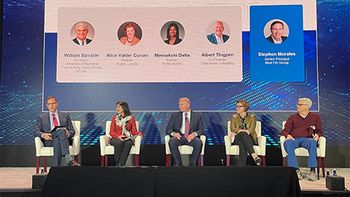
A panel dives into the current and future outlook of healthcare policies.

Session dives into how healthcare policy implementation impacts stakeholders long-term.

William Sarraille, professor, University of Maryland Francis King Carey School of Law, discusses other standout sessions at this year’s Access Insights conference.
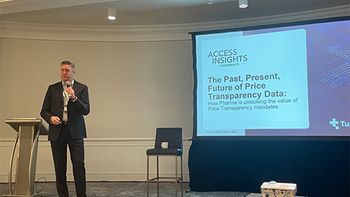
The session dives into the obstacles surrounding data usability, mandate compliance, initial adoption, and limitations in this arena.

William Sarraille, professor, University of Maryland Francis King Carey School of Law, discusses breakout session and the impact of healthcare policies on manufacturing and commercialization.
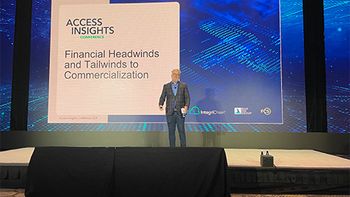
The conference’s opening keynote sets the scene for 2025 and the years to come.

When it comes to navigating the complex clinical and commercial landscape for specialty drugs—including hurdles in access to these critical but costly therapies—today’s specialty pharmacies are bringing more skills and services to the table.

As the dust settles on the first round of Medicare negotiations, not everything is what it seems.

Why this trend is occurring and ways that drugmakers are pivoting in order to remedy the situation.

Despite support from patient assistance programs and legislation designed to combat growing healthcare costs, challenges remain.

A cross-sectional study investigates changes in Medicare Advantage enrollment among Medicare beneficiaries with end-stage renal disease in the first two years of the Act.

This year’s conference—taking place in Washington, DC— will prioritize the tackling of business, economic, and healthcare policy obstacles when it comes to decision marking and net revenue optimization.

How can industry stakeholders ensure the quality and supply chain security of existing product?

The new vials of Zepbound are available through a new self-pay pharmacy channel, priced over 50% lower than other incretin medications for obesity.

By 2026, the first 10 drugs for individuals with Part D coverage—whose medications are mainly used to treat cancer, diabetes, and heart disease—will see discounts off of list prices ranging from 38-79%.

A lack of access could shut out patients in need of maintenance drugs for complex conditions.

What does the legislation mean for patient access leaders, pharma brand managers, and patient service owners? Industry experts weigh in.
Making sense of the accelerating trends and challenges—including store closings, pharmacy deserts, and the rise of polypharmacy.
Balancing innovation focus with optimized decision-making.

Investigators evaluate differences in end-of-life care between Medicare beneficiaries in Medicare Advantage vs. traditional Medicare.

How teamwork among safety-net healthcare providers and pharma can make the difference.