



Market Access
Latest News
Advertisement
Latest Videos







Advertisement
More News
In today’s Pharma Pulse, the federal government prepares to unveil newly negotiated Medicare prices for 15 high-cost drugs, while Novartis receives FDA approval for Itvisma, a one-time gene therapy offering a new treatment pathway for older children and adults with spinal muscular atrophy.

As the federal government prepares to release newly negotiated Medicare drug prices, weight-loss blockbusters Ozempic and Wegovy remain in the spotlight, while CMS advances a model to cut Medicaid spending and broaden access to affordable treatments.

When intelligence flows across clinical, access, and engagement channels, commercialization shifts from reactive to predictive, giving teams the real-time edge to win in a fast-moving market.
In today’s Pharma Pulse, learn how digital pharmacy safety gaps, Novo Nordisk’s introductory programs for Wegovy and Ozempic, and Scott Gottlieb’s new role at UnitedHealth are shaping patient access and industry strategy.
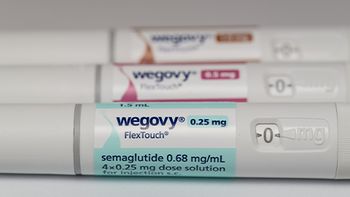
The company is launching new self-pay pricing options, expanded savings programs, and partnerships with telehealth and retail providers. all while its obesity portfolio gains momentum under the FDA’s National Priority Voucher program.

The nationally licensed pharmacy network now supports Ethereum, Solana, and XRP across all retail locations, marking a major step toward faster, more transparent payments—and laying the groundwork for a blockchain-based prescription drug payment system.
This episode of Pharma Pulse discusses how the FDA’s new plausible mechanism pathway, WeightWatchers’ plans to offer oral Wegovy, and emerging evidence on berberine are shaping the future of obesity and metabolic health care.
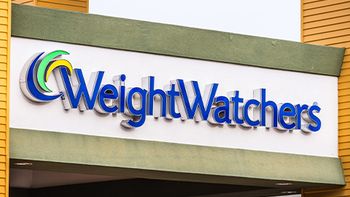
As FDA fast-tracks GLP-1 treatments under its new pilot National Priority Voucher program, WeightWatchers prepares to position itself to compete in the fast-evolving weight-loss drug market driven by affordability and accessibility.
Pharma Pulse: FDA Appoints Richard Pazdur as CDER Director Amid 340B Tensions and Novartis Expansion
This episode of Pharma Pulse discusses how Dr. Richard Pazdur’s appointment signals a new era for FDA drug evaluation, why hospitals are opposing the government’s 340B pilot program, and how Novartis is expanding its US manufacturing footprint with a new radioligand therapy facility in California.
This episode of Pharma Pulse explores a major review finding no link between maternal acetaminophen use and autism or ADHD, CMS launching initiatives to cut Medicaid drug costs, and Eli Lilly expanding its gene therapy collaborations.

Launching next year, the new CMS Innovation Center initiative—known as the GENEROUS Model—aims to align Medicaid drug prices with global standards, reduce prescription spending, and strengthen the program’s long-term sustainability through fairer state purchasing and transparent pricing rules.
This episode of Pharma Pulse discusses FDA’s growing National Priority Voucher initiative, fresh data on oral semaglutide’s cardiometabolic impact, and Mark Cuban’s latest drug addition that signals key shifts in innovation, access, and affordability across the pharmaceutical landscape.

Lilly announced a new agreement with the Trump administration to expand access to its GLP-1 therapies, including Zepbound and orforglipron, offering the drugs to Medicare beneficiaries for $50 per month and through Medicaid programs starting in 2026.

Pharma’s push into direct-to-patient sales is reshaping the front end of drug distribution, but wholesalers like Cencora, McKesson, and Cardinal Health remain indispensable as the backbone of the industry’s regulated, specialty, and logistics infrastructure.

As the three models converge, expect a bigger role for sales reps, minimal impact on incentive compensation, and a boon to the healthcare system.
In the final part of her Pharma Commerce video interview, Megan Wetzel, VP, product, access & affordability at CoverMyMeds, shares how the right field reimbursement model structure ensures field teams have the insights and tools they need to overcome coverage barriers and accelerate patient access to therapy.
In the third part of her Pharma Commerce video interview, Megan Wetzel, VP, product, access & affordability at CoverMyMeds, explains that by educating provider offices on payer requirements, prior authorizations, and denial trends, field reimbursement managers help streamline complex reimbursement processes and reduce treatment delays.
This episode of Pharma Pulse covers MJH Life Sciences’ acquisition of BPD Healthcare to deepen its reach into hospitals and health systems, investor reaction to Novo Nordisk’s recent board changes, and Mark Cuban’s latest partnership expanding his Cost Plus Drugs platform to disrupt traditional pharmacy pricing models.

In the second part of her Pharma Commerce video interview Megan Wetzel, VP, product, access & affordability at CoverMyMeds, describes how high development costs, personalized treatment models, and an aging population are intensifying the imbalance.

At HLTH 2025, the entrepreneur announced a collaboration between Cost Plus Drugs and President Trump’s TrumpRx platform aimed at improving transparency, reducing drug costs, and reshaping how Americans access their prescriptions.
This episode of Pharma Pulse discusses new research linking severe COVID-19 to increased stroke risk among asthma patients, a KFF poll showing divided parental support for vaccine-related agendas, and US News & World Report’s 2026 list of top Medicare Advantage and Part D plan providers.

Aetna, Devoted Health, and UnitedHealth headline the list best Medicare Advantage insurers for next year, while Centene and Humana lead the pack in Part D prescription drug coverage.

A planned 100% tariff on branded and patented drugs from Singapore is being postponed as US and Singapore officials explore potential exemptions.
This episode of Pharma Pulse covers how Mark Cuban’s direct-to-consumer pharmacy is challenging traditional drug pricing models, AstraZeneca’s $4.5 billion investment to expand its Virginia manufacturing site, and Bristol Myers Squibb’s $1.5 billion acquisition of Orbital Therapeutics to advance RNA-based medicines.

The appellate court upheld Medicare’s authority to negotiate lower drug prices under the Inflation Reduction Act, following similar rulings against AstraZeneca, Bristol Myers Squibb, and Novartis.
Advertisement
Advertisement